




 Thadeus Geodfrey
Many new investors in the UK start with companies they already know. Lloyds Banking Group is often one of them. Its shares trade on the London Stock Exchange under the ticker LLOY and are widely followed by retail investors.
People researching the market frequently ask how to buy Lloyds shares and whether they belong in a beginner portfolio. The process itself is simple. Investors open an account with a regulated investment platform, deposit funds, and purchase shares listed on the exchange.
Because Lloyds focuses mainly on UK retail banking and mortgages, its performance often reflects the strength of the domestic economy. Interest rates, consumer borrowing, and housing activity can all influence the share price.
How to Buy Lloyds Shares
Lloyds Banking Group shares trade on the London Stock Exchange under the ticker LLOY. UK investors can buy them through a regulated investment platform. The process usually involves a few simple steps.
Start by opening an account with a platform that offers UK shares.
Most beginners use:
- Stocks and Shares ISA
- General investment account
A Stocks and Shares ISA is often preferred because investments inside the account can grow free from capital gains tax and dividend tax within the annual allowance.
UK investment platforms must follow Financial Conduct Authority rules, which means confirming your identity before trading. You will normally need to provide proof of identity and proof of address.
Once your account is approved, deposit money into your investment balance. Most platforms accept bank transfers or debit card payments.
Search for the ticker LLOY, which represents Lloyds Banking Group on the London Stock Exchange. You can also find the stock by typing the company name into the platform search bar.
The stock page will usually show the current price, recent performance, and basic market data before you place an order.
Choose how many shares you want to purchase and place the order.
Investors usually select:
- Market order, which buys at the current price
- Limit order, which buys only at a price you set
After the order is completed, the shares appear in your portfolio.
How to Sell Lloyds Banking Group Shares
Selling Lloyds shares can be done through the same platform used to buy them.
Log in to your account, open your portfolio, and select your Lloyds Banking Group (LLOY) holding. Choose the sell option and select the order type.
Investors typically choose between:
- Market order, which sells immediately at the current market price
- Limit order, which sells only if the price reaches the level you set
After the order is executed, the proceeds appear as cash in your account. The funds can then be withdrawn or reinvested in other investments.
Best Brokers to Invest in Lloyds in the UK
Choosing the right investment platform can affect trading costs, research access, and overall ease of investing. UK investors usually look for brokers regulated by the Financial Conduct Authority with access to the London Stock Exchange. A reliable platform also provides clear pricing, simple order execution, and tools that help beginners understand the market.
1. eToro

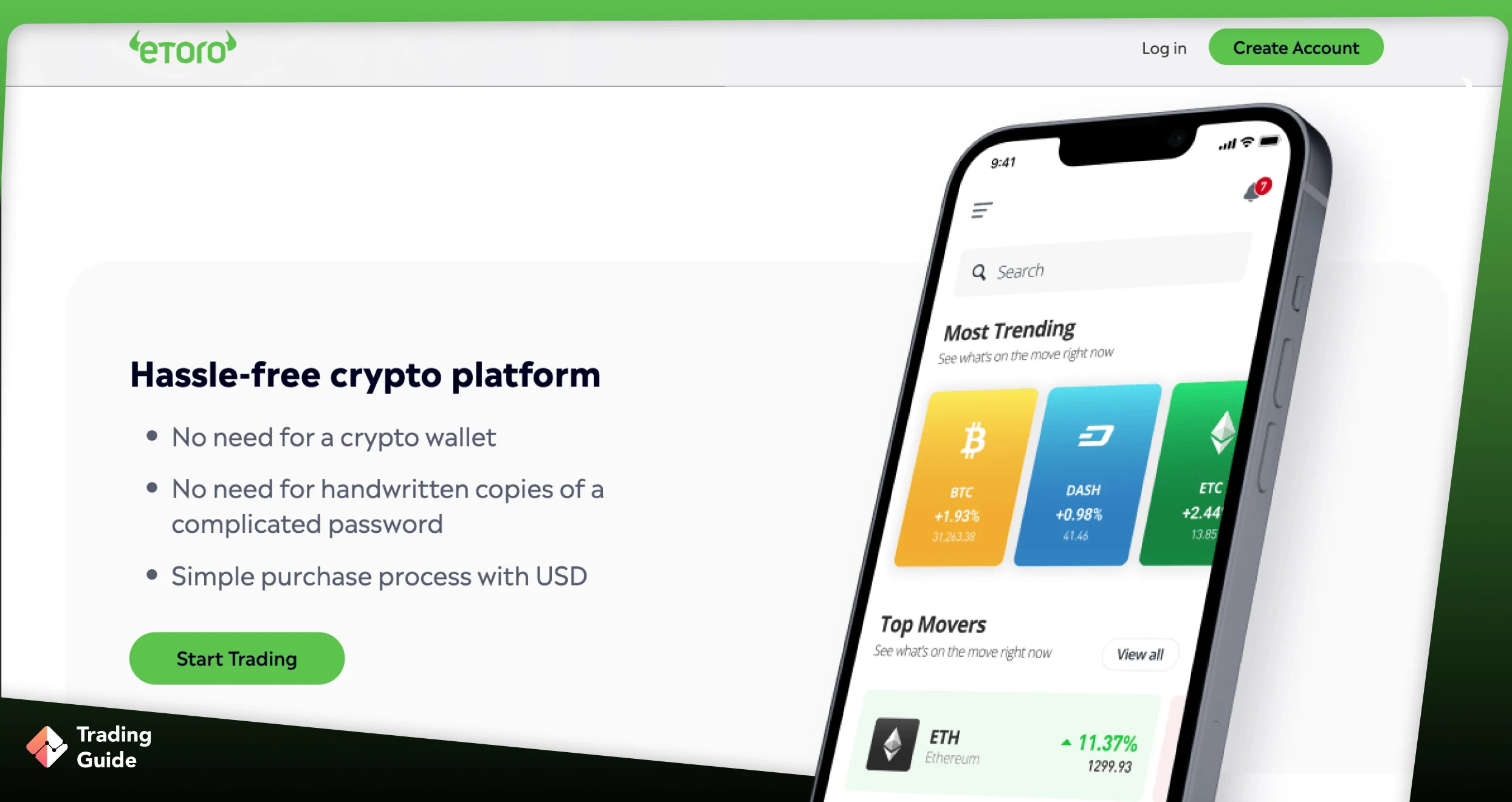

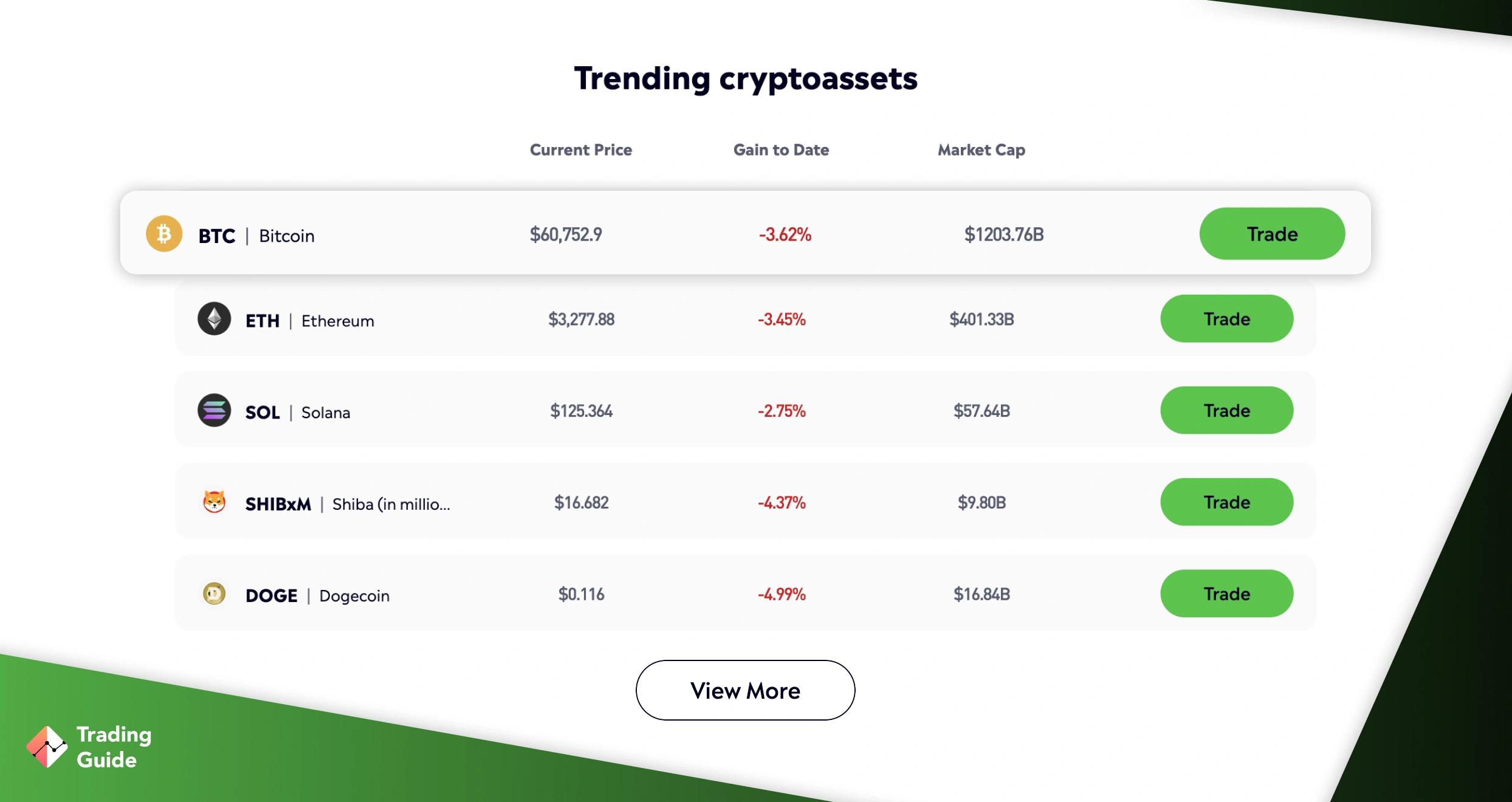
eToro is widely known for its social investing platform, which allows users to follow and observe other investors. This feature can be useful for beginners who want to see how experienced traders structure their portfolios.
The platform is designed with simplicity in mind. Its clean layout makes it easy to search for stocks, place trades, and track investments. Investors can buy a variety of assets, including shares, exchange-traded funds, and other financial instruments.
Because of its accessible interface, many first-time investors find eToro easier to navigate than more technical trading platforms.
*A conversion fee may be applied as withdrawals and deposits are conducted in USD. Any other currency will have to be converted.
Disclaimer: eToro is a multi-asset platform which offers both investing in stocks and cryptoassets, as well as trading CFDs.
Please note that CFDs are complex instruments and come with a high risk of losing money rapidly due to leverage. {etoroCFDrisk}% of retail investor accounts lose money when trading CFDs with this provider. You should consider whether you understand how CFDs work, and whether you can afford to take the high risk of losing your money.
Zero commission means that no broker fee will be charged when opening or closing the position and does not apply to short or leveraged positions. Other fees apply including FX fees on non-USD deposits and withdrawals. Your capital is at risk. For more information, click here.

✔Low minimum to fund an account and begin investing




- Simple and user-friendly platform
- Social investing and portfolio sharing features
- Access to multiple asset classes
- Fewer advanced research tools than specialist trading platforms
- Currency conversion fees may apply for UK investors
2. Pepperstone
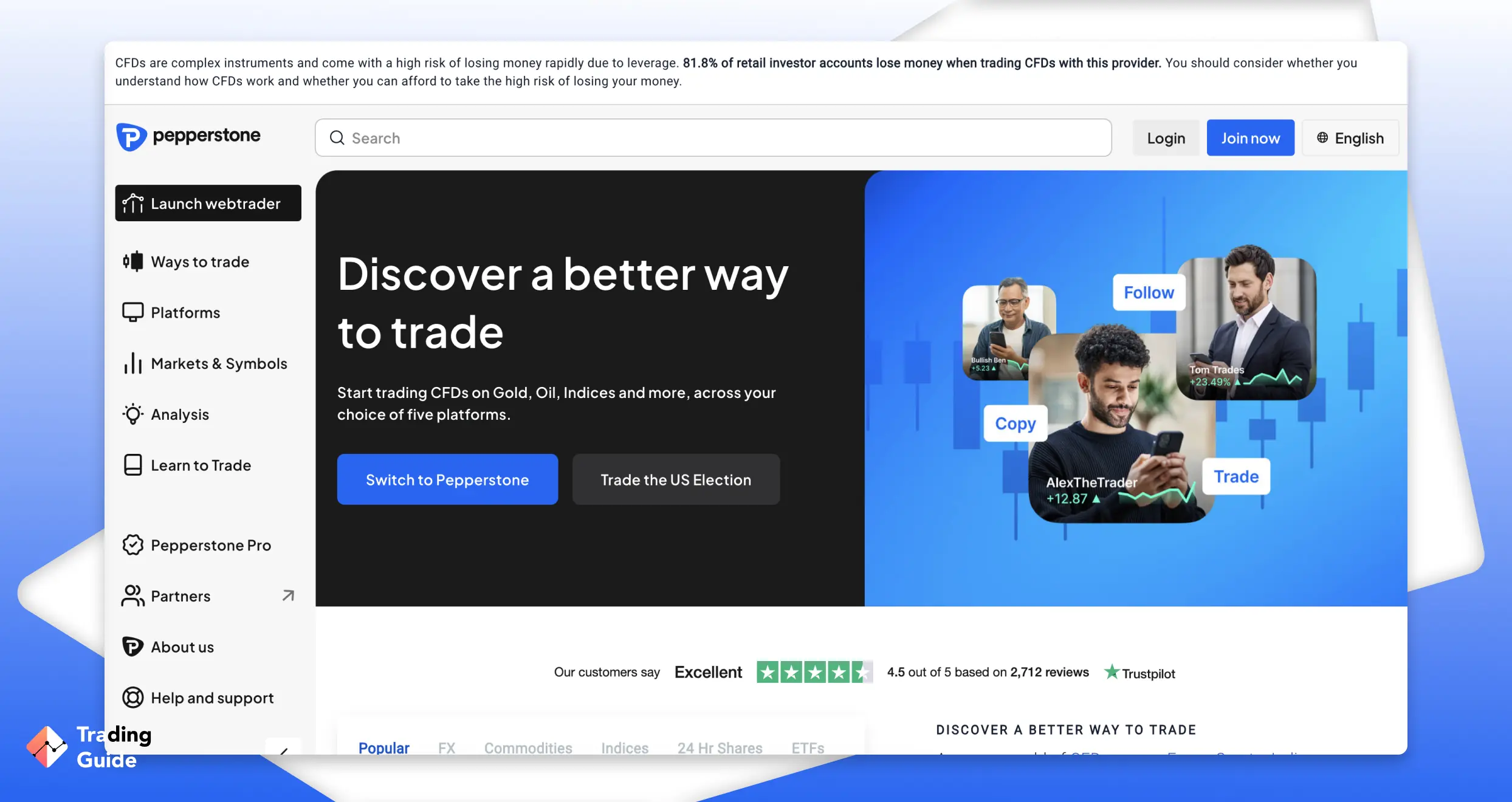
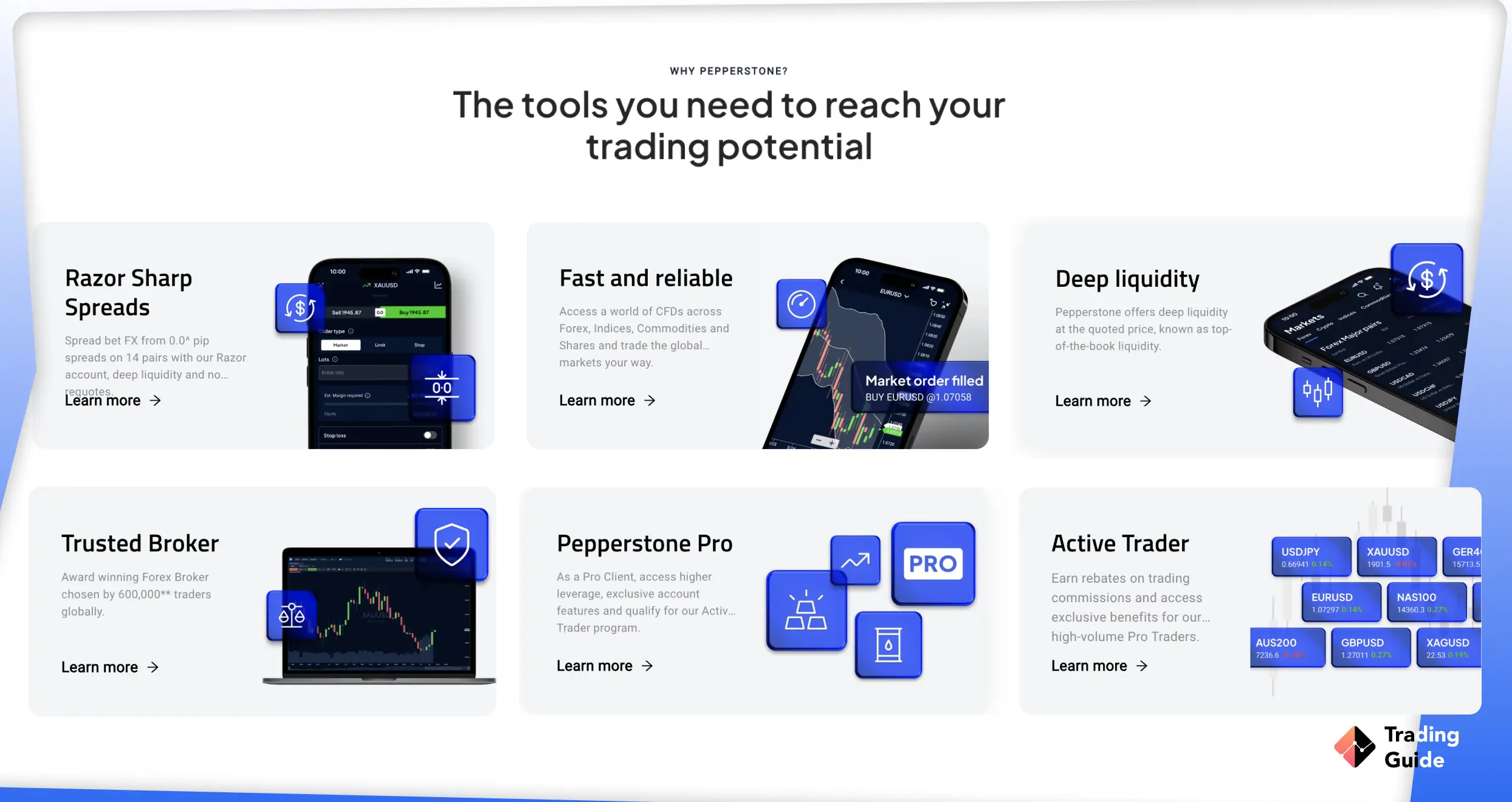
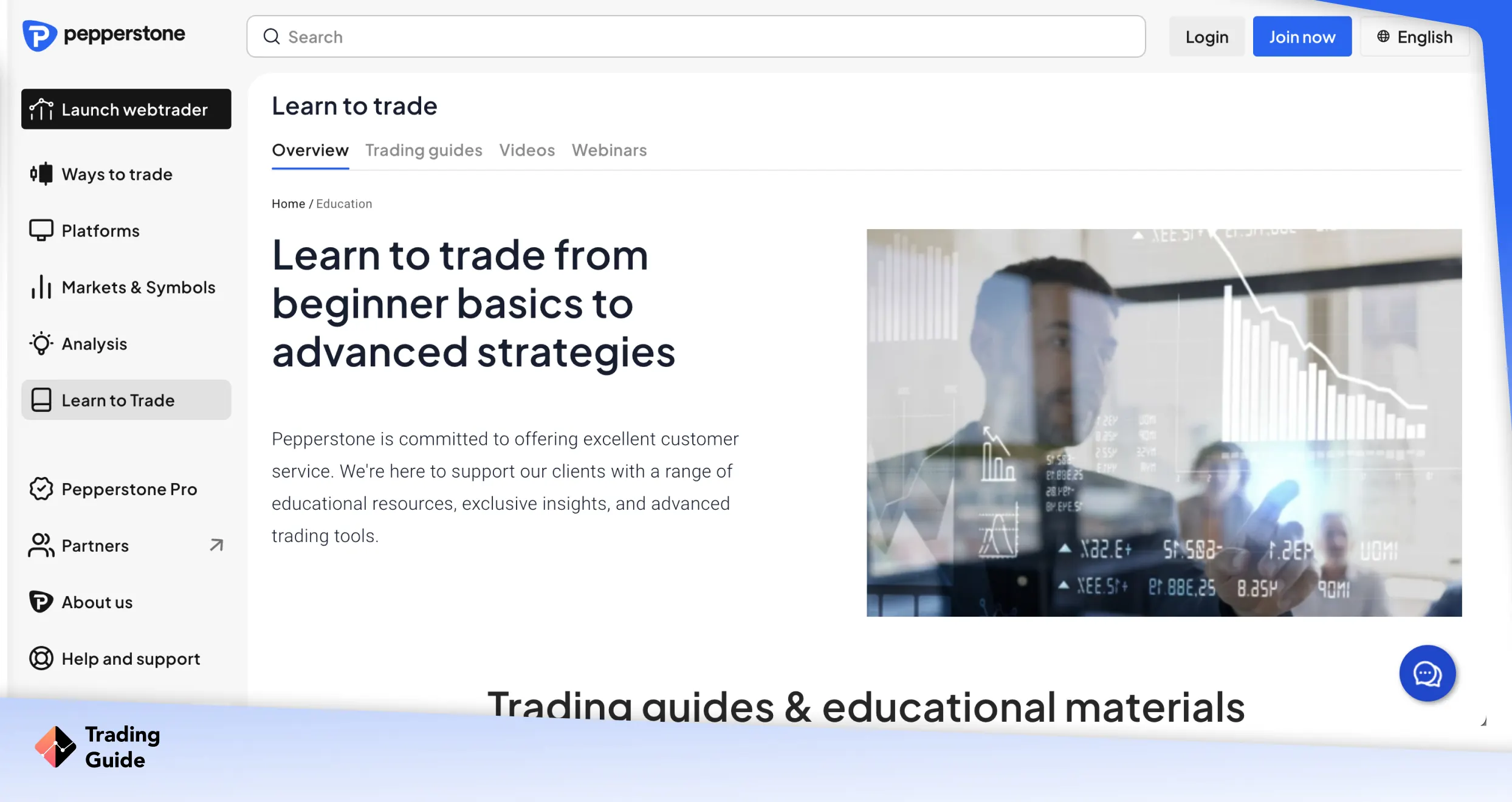
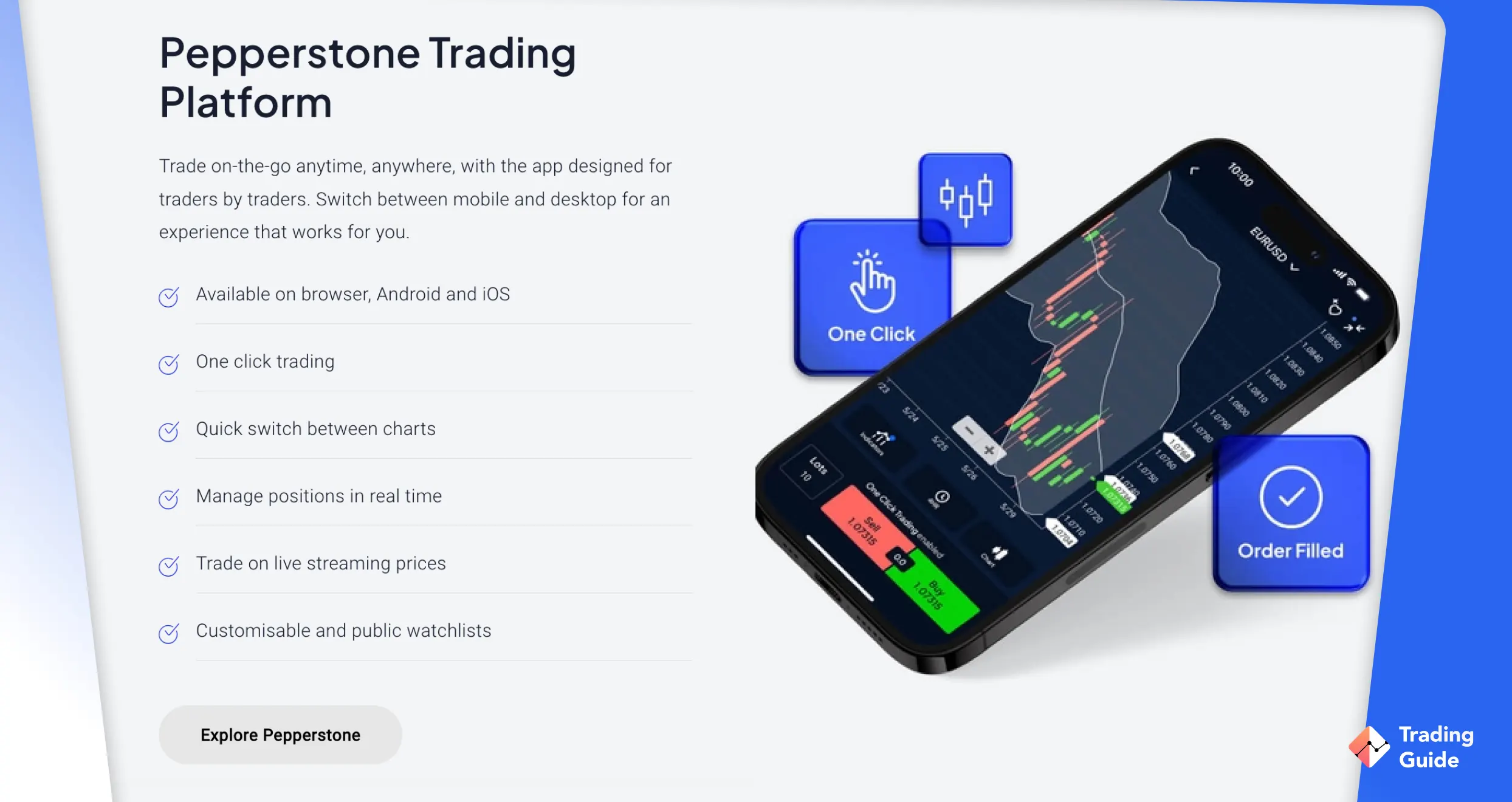
Lloyds trades at a lower share price than most FTSE 100 names, which keeps margin requirements on a CFD position relatively light. The Standard account on Pepperstone is commission-free with spreads from around 1.0 pip, or the Razor account tightens that further for a small per-trade commission. That lower margin requirement makes it a common choice for traders wanting UK banking exposure without tying up much capital. Negative balance protection applies too, and withdrawals typically process within a few business days once requested.
There’s no minimum deposit requirement, and dividend adjustments are applied automatically to open positions held over Lloyds’ ex-dividend date. Trading runs through MetaTrader 4, MetaTrader 5, cTrader or TradingView, with spread betting available tax-free for UK clients and 2,700+ other assets for diversification.

✔ No dealing desk intervention
- No minimum deposit
- Automatic dividend adjustments
- Competitive Razor account pricing
- Tax-free spread betting available
- Commission applies on the Razor account
- No real share ownership, CFDs only
3. Capital.com
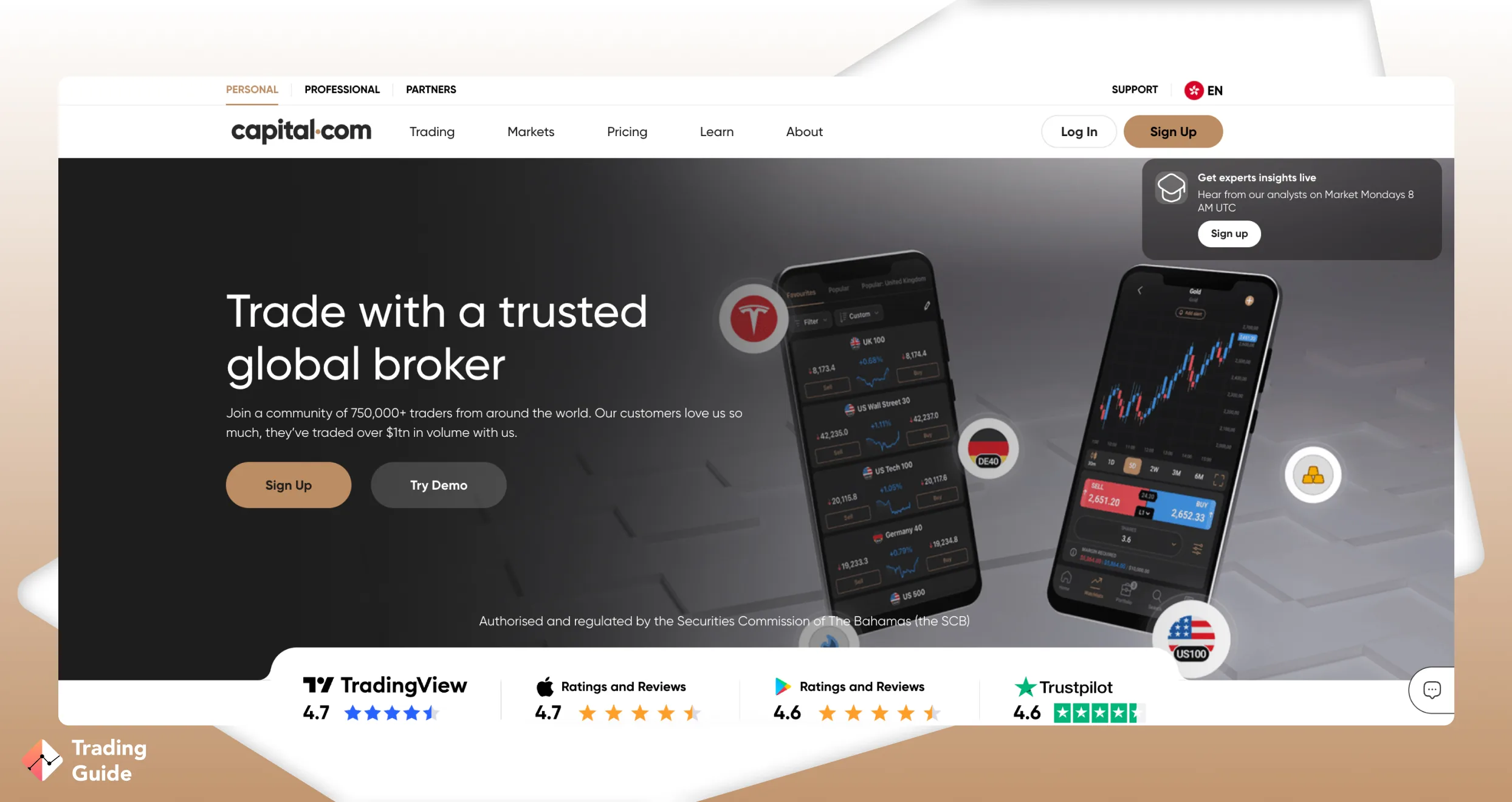
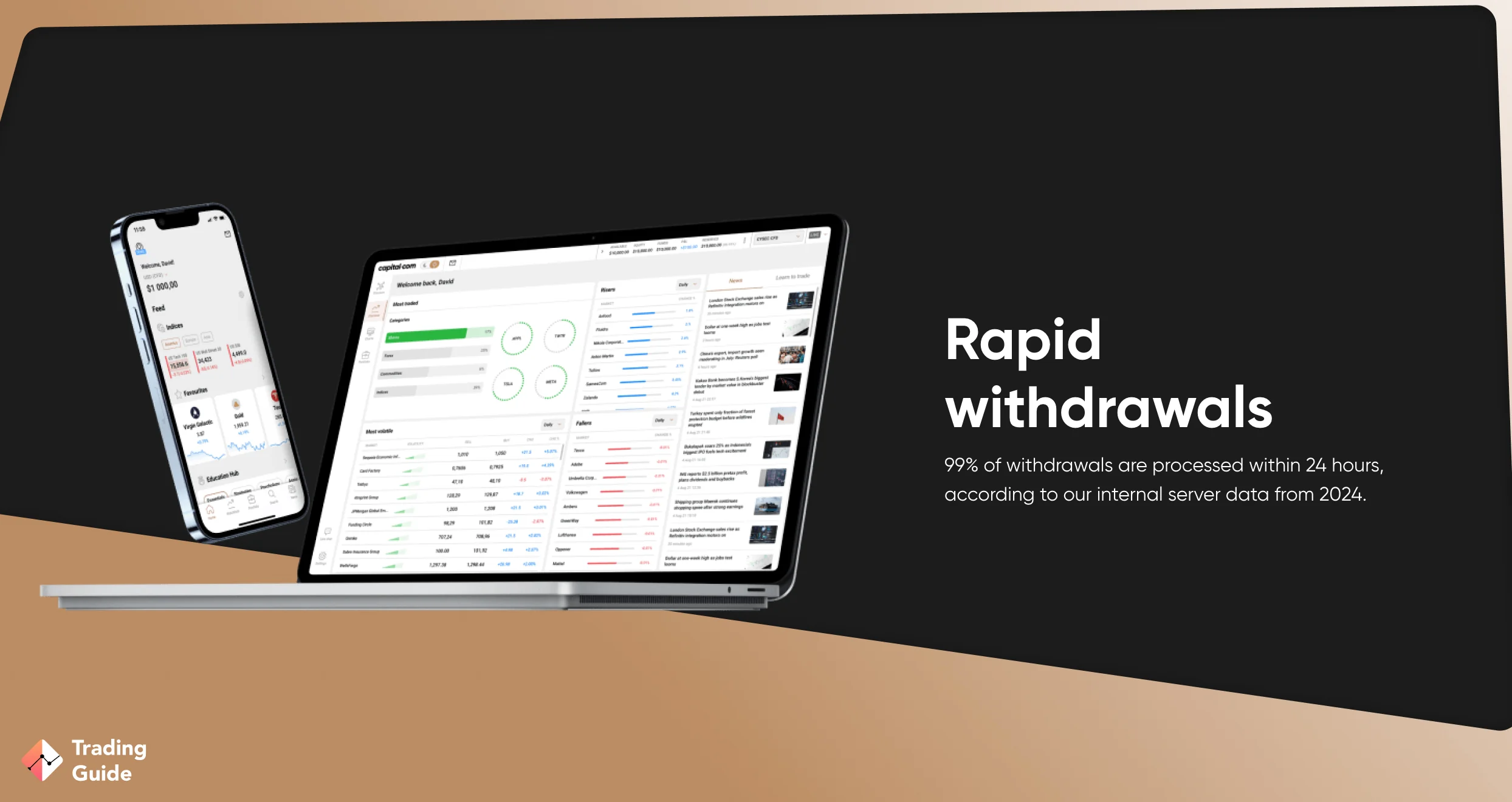
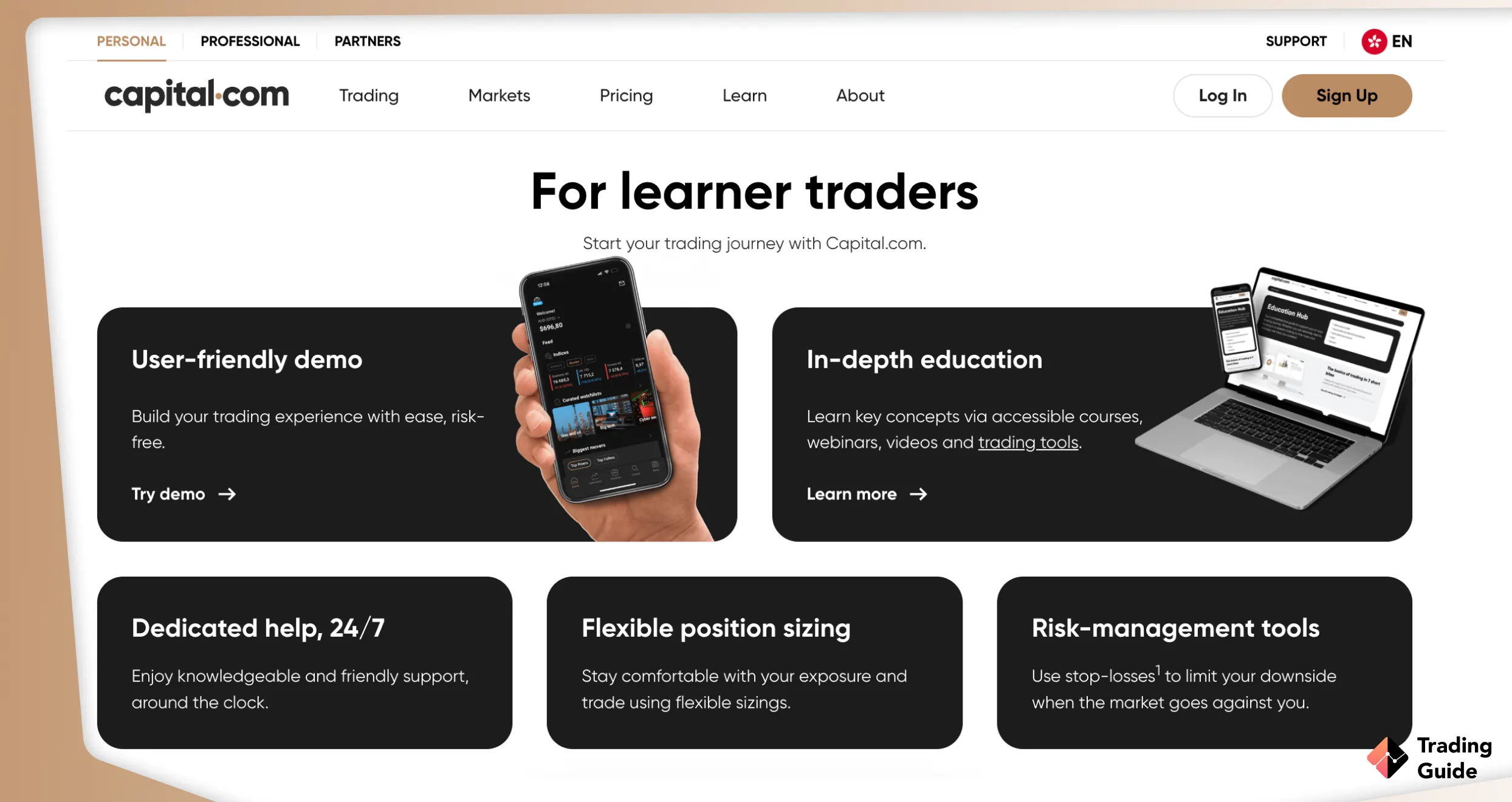
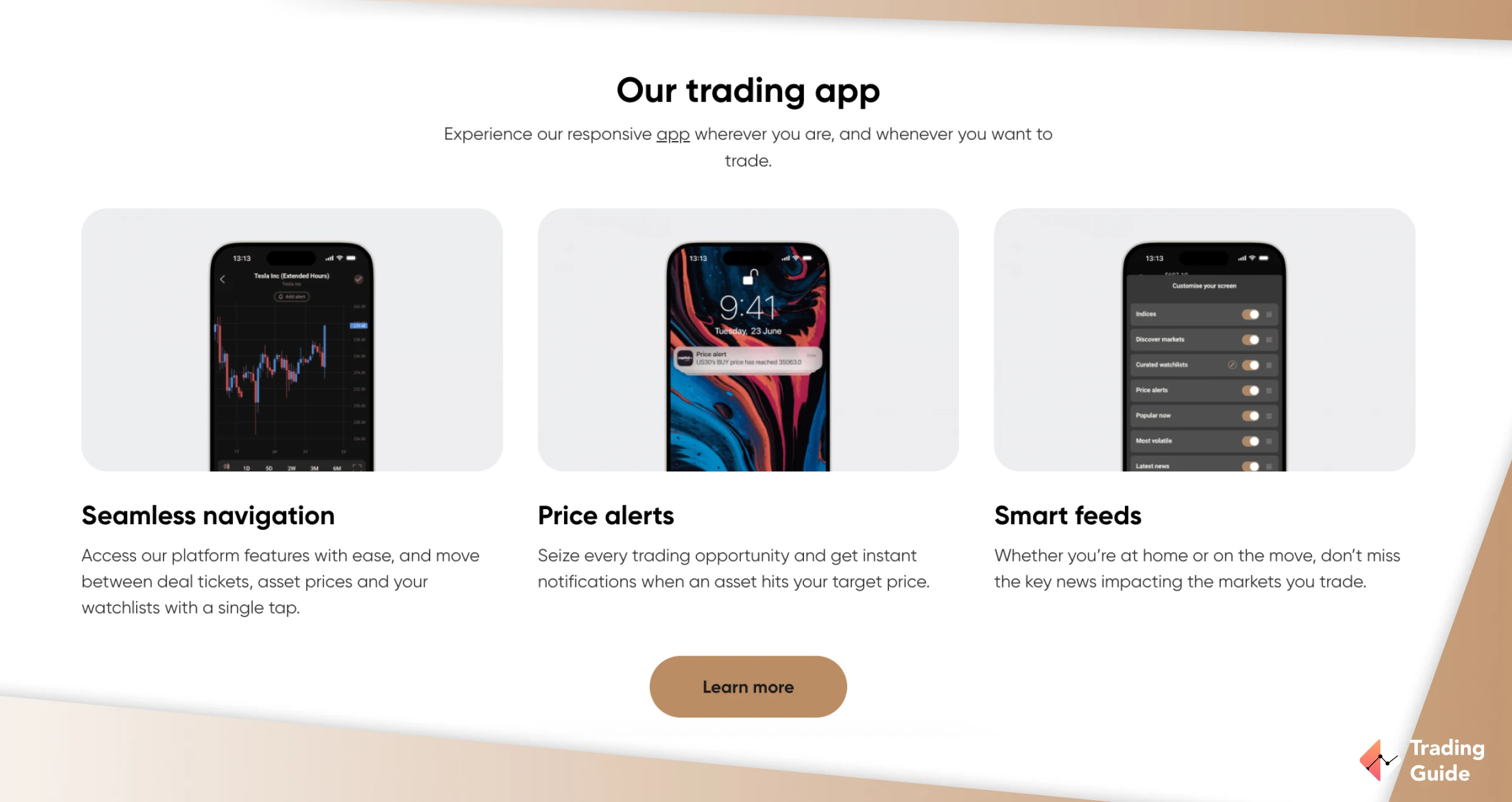
A lower share price like Lloyds’ suits building a position gradually rather than all at once, and Capital.com‘s £20 minimum deposit and 0% commission structure make repeated small trades genuinely affordable rather than eaten up by fees each time you top up. Unlike a traditional share-dealing account, there’s no settlement delay before you can close the position and realise a profit or loss, whichever way Lloyds moves. Retail leverage on share CFDs is capped at 1:30 under FCA rules.
Capital Com (UK) Limited holds FCA authorisation, with spreads from around 0.6 pips on major UK shares and no deposit or withdrawal fees. A resettable demo account lets you test the approach first, and trading runs through Capital.com’s own app, MT4 or TradingView, backed by 24/7 support.

✔ Highly regulated
- £20 minimum deposit
- 0% commission trading
- Resettable demo account
- 24/7 support via phone, email and live chat
- Trading a contract on the price, not the shares themselves
- Overnight financing applies the longer you hold
Lon Lloyds Share Price Today
Lloyds Banking Group shares are listed on the London Stock Exchange under the ticker LLOY. The price is quoted in pence, so a share price of 45.5p means each share costs 45.5 pence.
You can track the current price using the live chart below.
The share price changes during market hours and can respond to several factors, including:
- Bank of England interest rate decisions
- UK economic data such as inflation and employment
- Lloyds financial results and business updates
- Dividend announcements
- Overall sentiment towards UK banking stocks
Most investment platforms offer real-time charts and basic market data, making it easy for investors to follow price movements during the trading day.
About Lloyds Banking Group plc
Lloyds Banking Group plc is one of the largest banking groups in the United Kingdom. The company focuses mainly on retail and commercial banking and serves millions of customers across the country.
The modern Lloyds Banking Group was formed in 2009 when Lloyds TSB merged with HBOS during the financial crisis. This created one of the UK’s biggest domestic banks.
The group operates several well-known brands, including:
- Lloyds Bank
- Halifax
- Bank of Scotland
Through these brands, Lloyds offers a range of financial services such as mortgages, personal loans, savings accounts, credit cards, and business banking.
Lloyds is also one of the UK’s largest mortgage lenders. Because of this, its performance often reflects wider economic trends such as interest rates, housing demand, and consumer borrowing.
Is Lloyds a Good Stock to Buy?
Lloyds can be a solid choice for some investors, but whether it suits you depends on your goals, how much risk you’re comfortable with, and what you think about the future of the UK economy. The bank has some clear strengths, though it Whether Lloyds shares are suitable for an investor depends on their individual goals, time horizon, and risk tolerance.
Some investors are attracted to Lloyds because it operates in a core part of the UK economy. The bank focuses mainly on domestic retail and commercial banking, including mortgages, personal loans, and business lending. Lloyds has also paid dividends in the past when profits and regulatory conditions allowed, which can appeal to income-focused investors.
However, bank shares can move with the economic cycle. Changes in interest rates, loan demand, or credit losses can affect profitability. Economic slowdowns may also reduce borrowing activity and increase financial pressure on households and businesses.
Lloyds is often viewed as a way to gain exposure to the UK banking sector rather than a global growth company. For some investors, it represents a way to follow trends in the UK economy, particularly in areas such as housing and consumer lending.
As with any individual stock, diversification is important. Many investors spread their money across different sectors and companies to reduce the risks linked to holding a single share.
FAQs
Yes. Lloyds shares trade on the London Stock Exchange and are available through most UK investment platforms. Investors simply need a brokerage account to place a trade using the ticker LLOY.
In most cases, they can. UK-listed shares are normally eligible for a Stocks and Shares ISA, which allows investments to grow free from capital gains tax and dividend tax within annual limits.
Many investors track Lloyds because it is one of the UK’s largest retail banking groups. Its business is closely tied to mortgages and consumer lending, which makes it sensitive to economic changes in the UK.
Several factors can influence the share price. Interest rates, credit conditions, housing market activity, and regulatory changes all play a role in the performance of banking stocks.
As with any single stock, risks include company-specific performance, economic downturns, regulatory changes and competition. For Lloyds, its UK-centric nature makes it particularly sensitive to local interest rates and housing market shifts.
Yes. Some platforms allow you to set up Junior ISAs or custodial accounts to buy shares for children. You can also gift shares using share transfer forms, though tax rules may apply. Always check the platform’s policies and HMRC guidelines.
Conclusion
Lloyds Banking Group is one of the most widely followed banking stocks in the UK and a familiar starting point for new investors. Buying Lloyds shares usually involves opening a regulated investment account, adding funds, and placing an order for the ticker LLOY.
Like many bank stocks, Lloyds is closely linked to the UK economy, particularly interest rates and mortgage demand. For beginners, it can provide exposure to the domestic financial sector, but it is often best considered as part of a diversified portfolio rather than a single investment.

25,000 hours of testing 60+ brokers. Our recommended broker is eToro.
Our recommended broker is eToro.