






 Claire Maumo
Leverage is one of the first ideas beginners see when learning forex trading. It allows traders to control larger positions using a smaller amount of money. For new traders in the UK, the real question is not just what leverage is, but what level is sensible to use.
Leverage can help traders access the market with less capital. But it can also increase losses just as quickly as profits. That is why beginners need to understand how forex leverage works before placing trades.
What is Leverage Trading?
Leverage trading allows a trader to control a larger position in the market using a smaller amount of their own money.
In forex trading, leverage is shown as a ratio. Common examples include 1:10, 1:30, or 1:100. The first number represents the trader’s own capital, while the second number shows the total position size they can control.
For example:
- 1:10 leverage means £1 of your money controls £10 in the market
- 1:30 leverage means £1 controls £30
- 1:100 leverage means £1 controls £100
So if a trader deposits £1,000 and uses 1:30 leverage, they can open a forex position worth up to £30,000.
Forex markets usually move in small price changes. A currency pair may move only 0.5% or 1% in a day. Leverage makes those movements more noticeable because the position size is larger.
A simple example helps illustrate this:
If a trader opens a £30,000 position and the currency pair rises by 1%, the gain would be about £300. If the price falls by 1%, the loss would also be about £300.
For beginners, the key point is simple. Leverage increases both potential profits and potential losses. This is why many new traders start with lower leverage while they learn how forex markets behave.
How Leverage Works in Trading
Understanding forex leverage becomes easier with a simple example.
Imagine a trader believes the EUR/GBP exchange rate will increase.
Without leverage, a trader with £1,000 can buy £1,000 worth of euros. If the exchange rate rises by 1%, the profit would be around £10.
With 1:30 leverage, the same £1,000 deposit allows the trader to control a position worth about £30,000. If the currency pair rises by 1%, the gain would be roughly £300. In this scenario, a 3.3% adverse move would wipe out the entire £1,000 deposit, which illustrates how quickly losses can accumulate at higher leverage levels.
However, the same logic applies when the market moves in the opposite direction. If the price falls by 1%, the loss would also be about £300.
This example shows why leverage increases market exposure. Small price movements can have a larger impact on the trading account. For beginners, managing position size and risk is just as important as choosing the right trade.
In practice, many traders discover that lower leverage makes it easier to stay disciplined during market volatility. Large position swings can quickly lead to emotional decisions, which is why experienced traders often prioritise risk control over maximum exposure.
Read about the forex brokers with high leverage in our other complete guide.
What is Margin?
Margin is closely related to leverage.
Margin is the money a trader must deposit to open a leveraged position. It acts as collateral that allows a broker to provide access to a larger market position.
Here is a simple example:
| Position Size | Leverage | Required Margin |
|---|---|---|
| £10,000 | 1:10 | £1,000 |
| £30,000 | 1:30 | £1,000 |
| £50,000 | 1:50 | £1,000 |
The higher the leverage, the smaller the margin required.
If the market moves against the trader and losses increase, the broker may issue a margin call. This means the trader must deposit additional funds or close positions to reduce exposure. Situations like this are common when buying on margin and managing the associated risks.
In the UK, margin trading operates under rules set by the Financial Conduct Authority (FCA). These regulations include negative balance protection, meaning retail traders cannot lose more money than they deposit. This protection has been in place for retail clients since 2019, when the FCA made permanent the product intervention measures first introduced by the European Securities and Markets Authority (ESMA).
Many UK trading platforms provide margin trading for retail clients, which is why comparisons of margin trading brokers available in the UK are often used by beginners evaluating different platforms. Traders who are classified as professional clients by their broker do not benefit from the same protections. However, they may be offered higher leverage limits as a result.
Pros and Cons of Leveraged Trading
Leverage is widely used in forex trading because it increases market exposure without requiring large capital. However, it also increases risk. Beginners should understand both the benefits and drawbacks.
- Allows traders to control larger positions with smaller capital
- Makes small currency price movements more noticeable
- Helps traders use their capital more efficiently
- Widely available through FCA-regulated brokers in the UK
- Amplifies losses as well as potential profits
- Can encourage beginners to take larger risks than intended
- May trigger margin calls during sudden market volatility
- Requires careful risk management and position control
Because of these factors, many beginners choose moderate leverage instead of the maximum available.
What Leverage Do Beginners Typically Use?
Forex leverage for retail traders in the UK is limited by the Financial Conduct Authority and European market rules. These limits help reduce the risk of large losses for individual traders.
For major currency pairs such as EUR/USD or GBP/USD, the maximum leverage normally available to retail traders is 1:30.
Even though 1:30 is allowed, many beginners choose lower leverage while they learn how forex trading works.
Lower leverage does not limit learning or market participation. Instead, it often gives new traders more time to understand price behaviour and develop consistent risk management habits.
Common leverage levels used by beginners include:
- 1:5 leverage – often used by cautious traders who want lower risk
- 1:10 leverage – a common starting point for many beginners
- 1:20 leverage – slightly higher exposure but still manageable
These levels allow traders to take part in the forex market without taking on extreme risk. For example, with 1:10 leverage, a trader with £1,000 could control a £10,000 position while keeping potential losses more controlled.
Many experienced traders believe managing risk is more important than using high leverage. Traders who focus on position size, stop losses, and careful planning often stay in the market longer.
Best Leverage Brokers in the UK
Choosing the right forex broker is an important step for beginners. In the UK, traders should prioritise platforms regulated by the Financial Conduct Authority. FCA regulation requires brokers to follow strict rules designed to protect client funds and ensure fair trading practices.
Most regulated brokers offer similar leverage limits but differ in platform design and trading tools.
1. Plus500
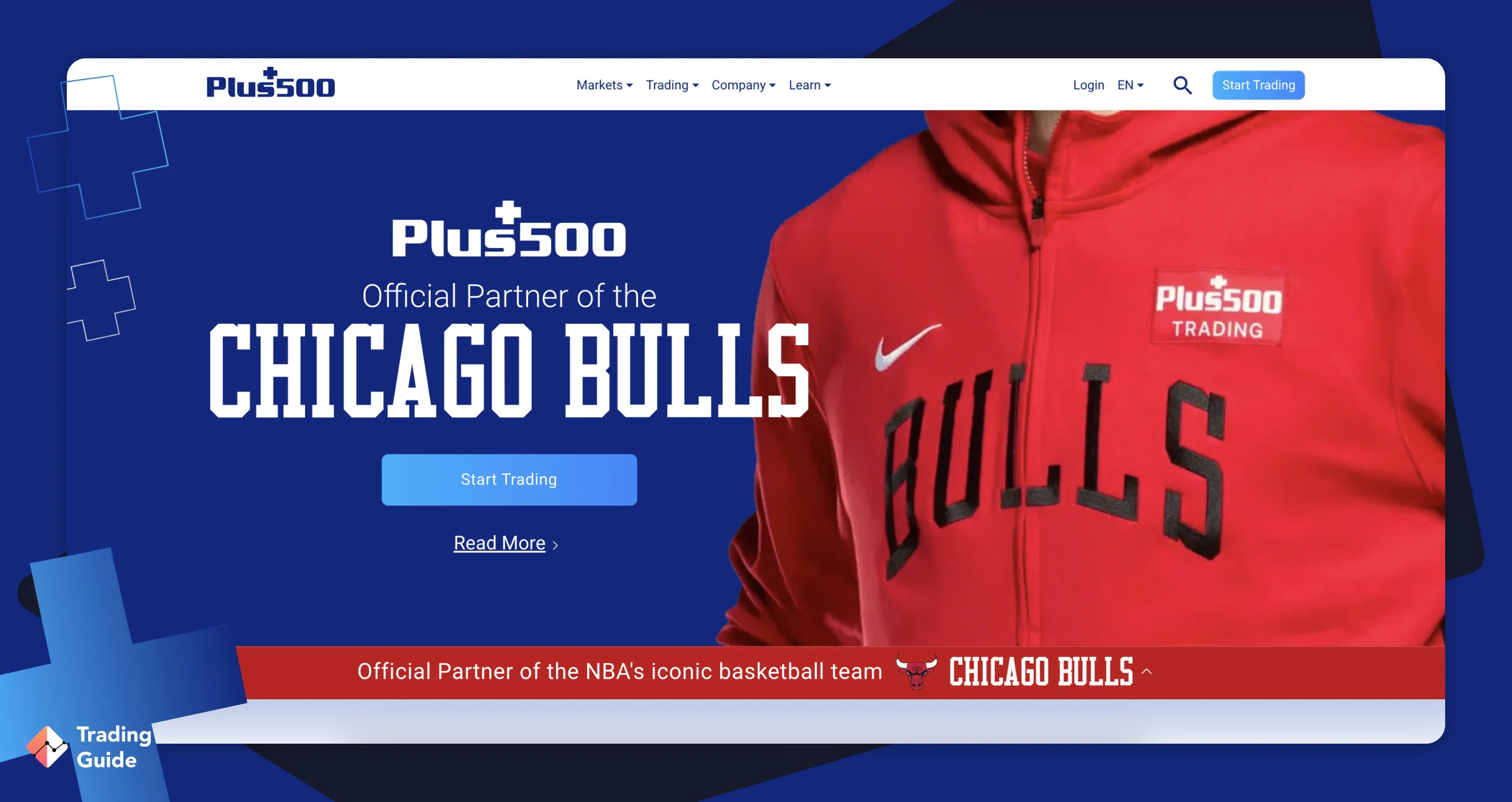
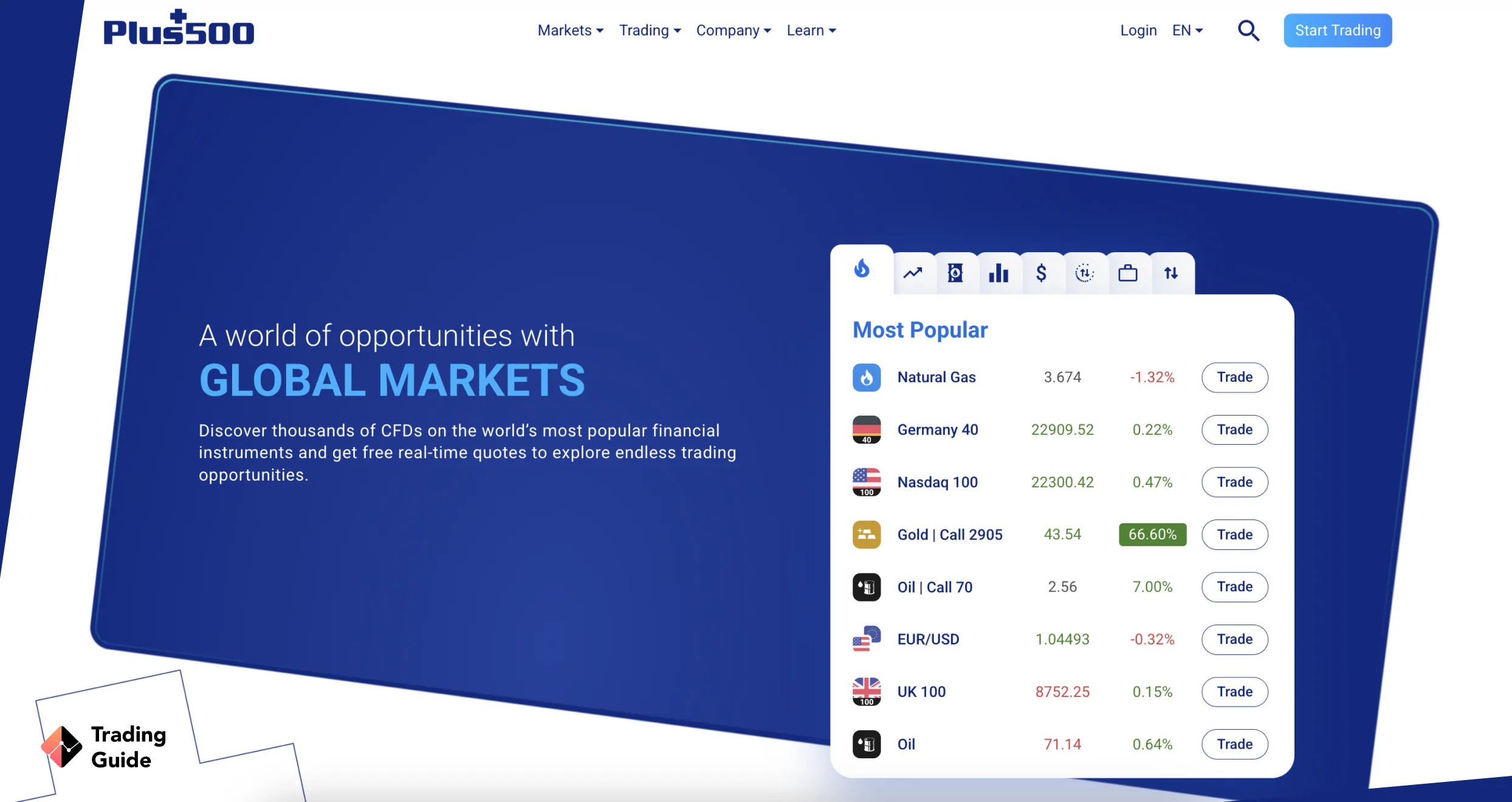
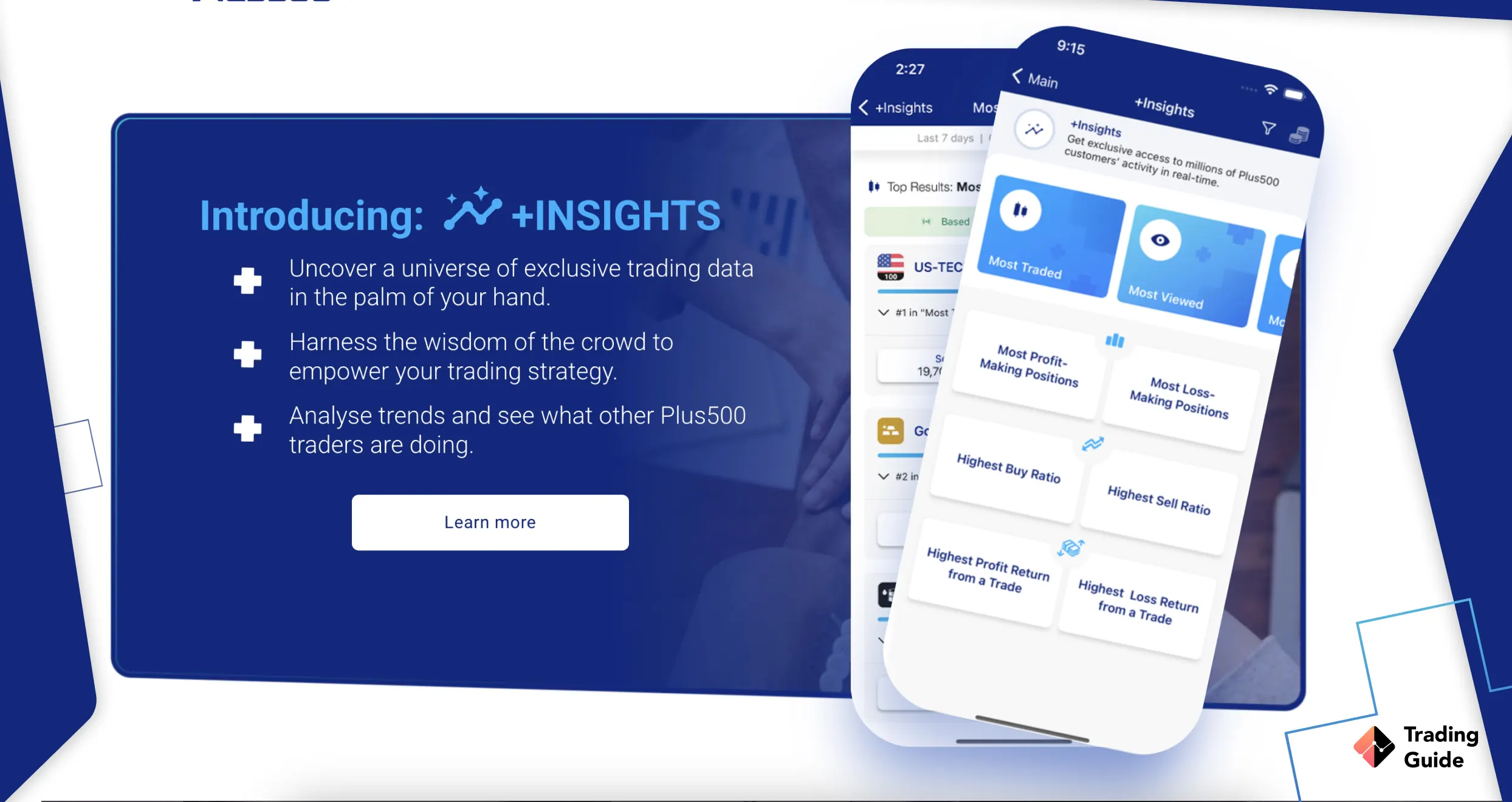
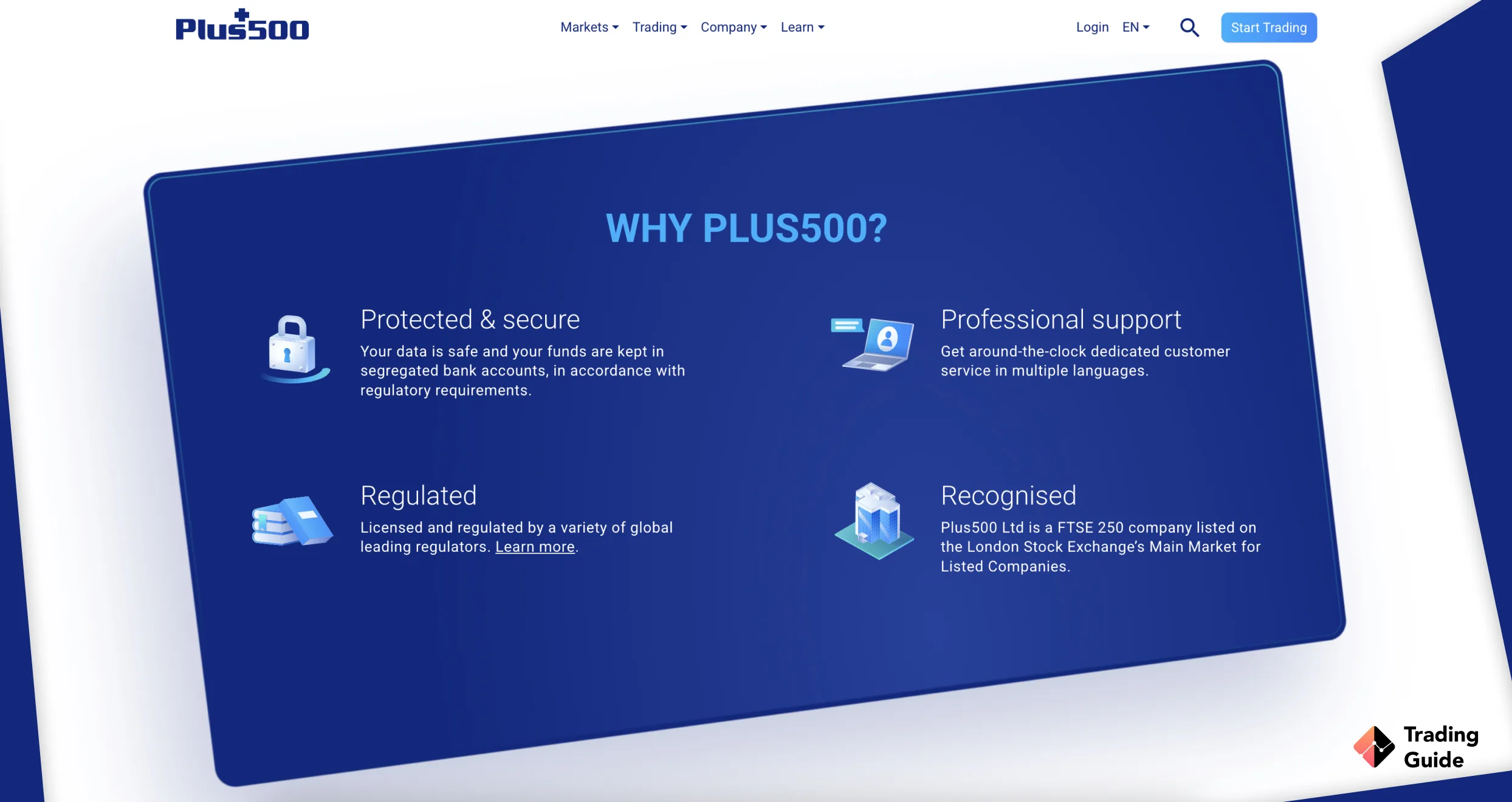
Plus500 is a widely recognised online trading platform that offers access to forex and other markets through CFD trading. The platform is known for its clean layout and simple interface, which many beginners find easy to use.
UK clients trade through an FCA-regulated entity and benefit from features such as negative balance protection. Leverage for major currency pairs is typically available up to 1:30 for retail traders.
The platform focuses on straightforward trading rather than advanced strategy tools, which can make it a comfortable starting point for new traders.
*Plus500 is not suitable for beginner traders

✔ Regulated in many countries




Note: 76% of retail investor accounts lose money when trading CFDs with this provider. You should consider whether you can afford to take the high risk of losing your money.
2. eToro

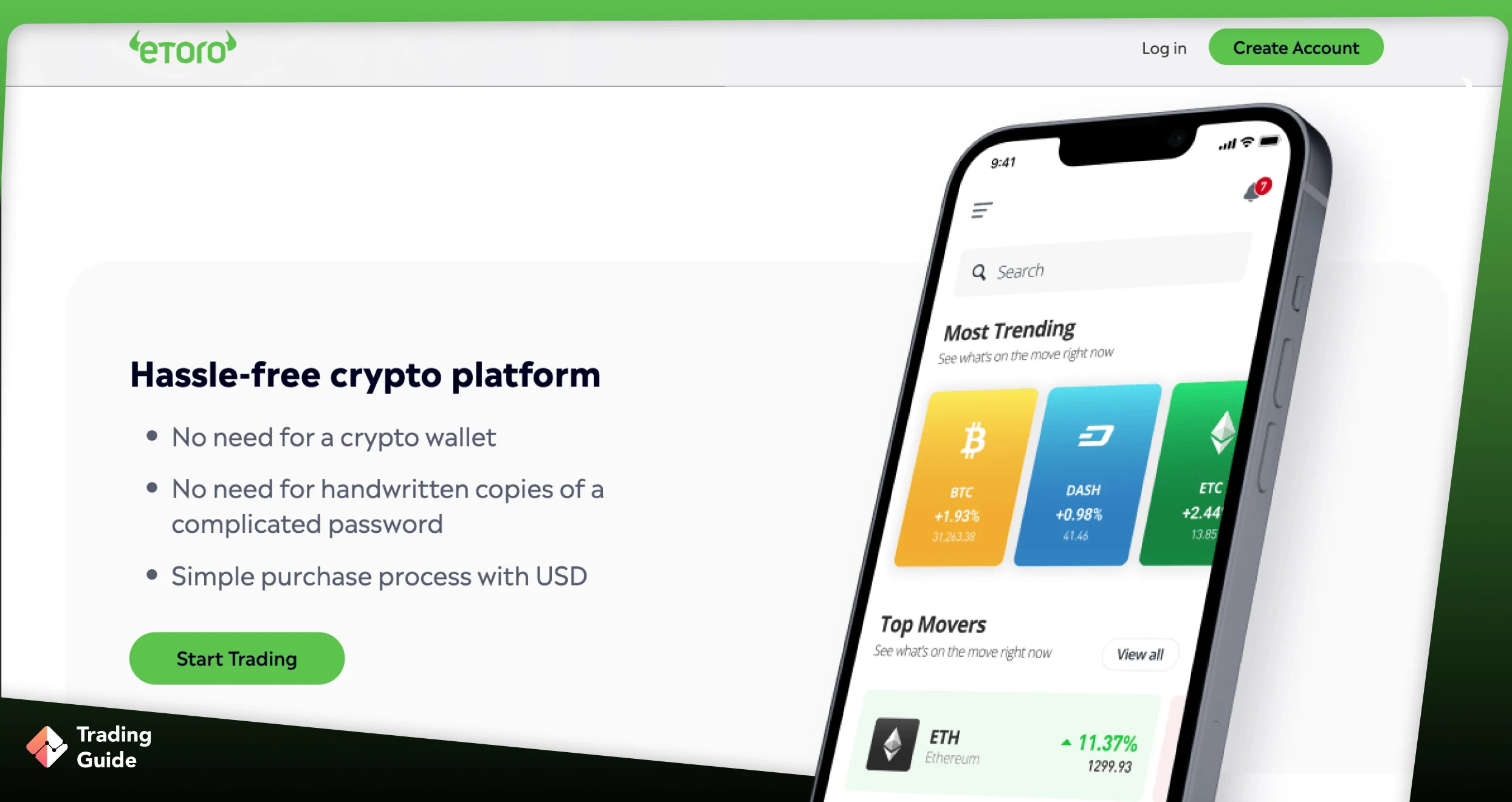

eToro has built its reputation around social trading. The platform allows users to view the activity of other traders and copy their strategies automatically.
For beginners, this feature can provide insight into how experienced traders manage positions and risk. eToro is regulated for UK users and offers forex trading with leverage up to 1:30 on major currency pairs.
The platform is available through web and mobile applications and is designed to be accessible for users who are new to online trading.

✔Low minimum to fund an account and begin investing
3. IG Group
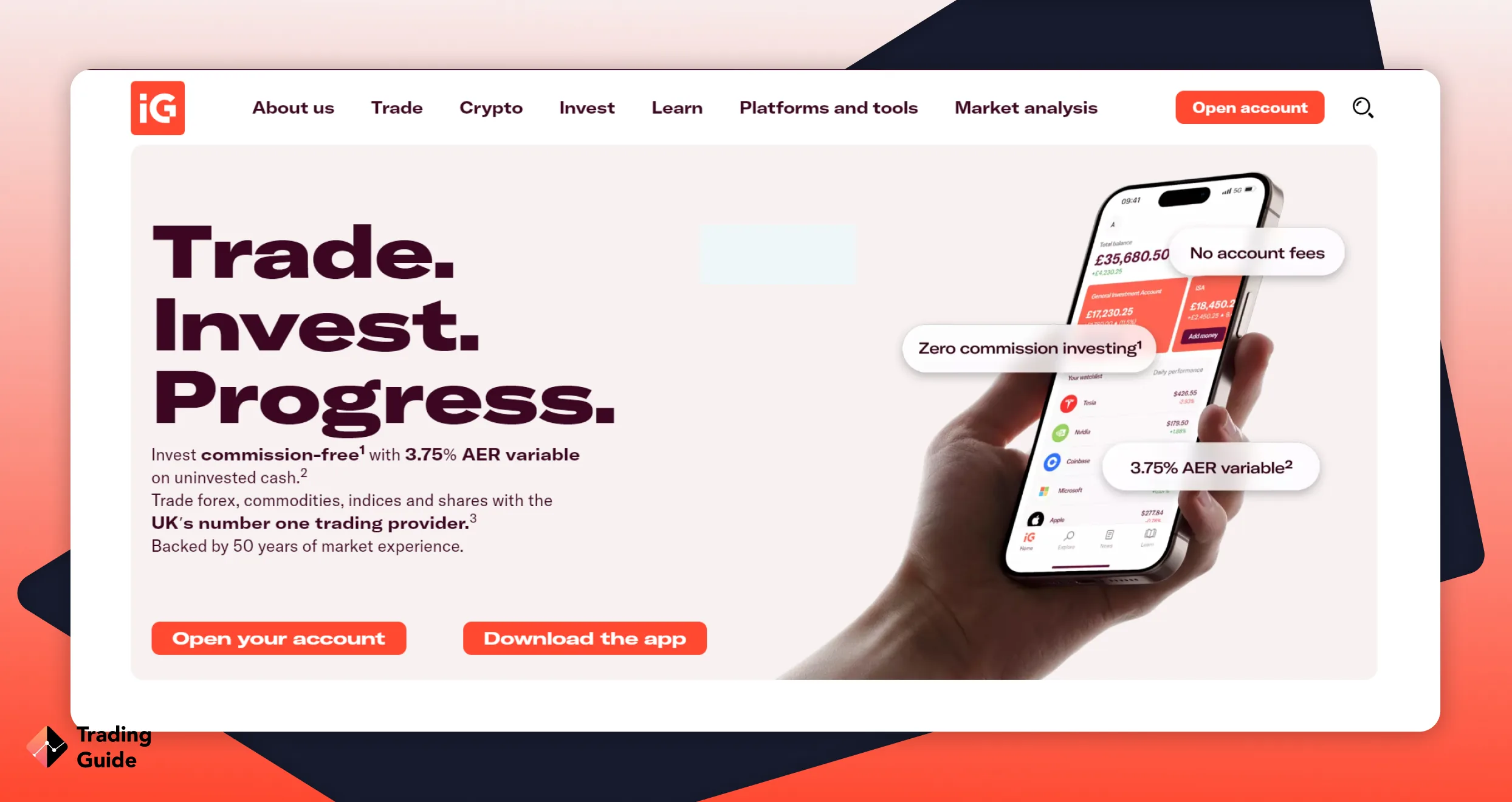

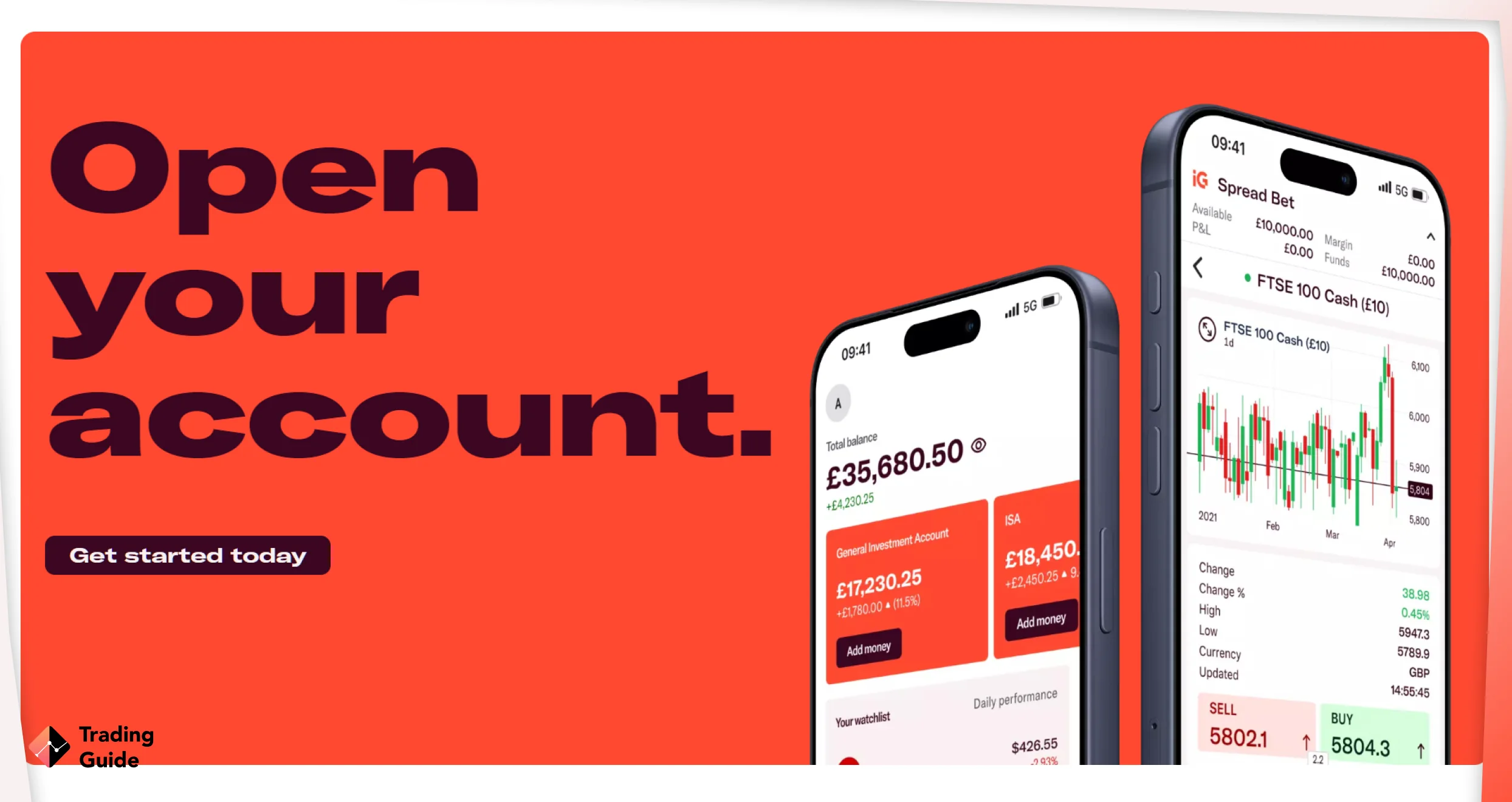
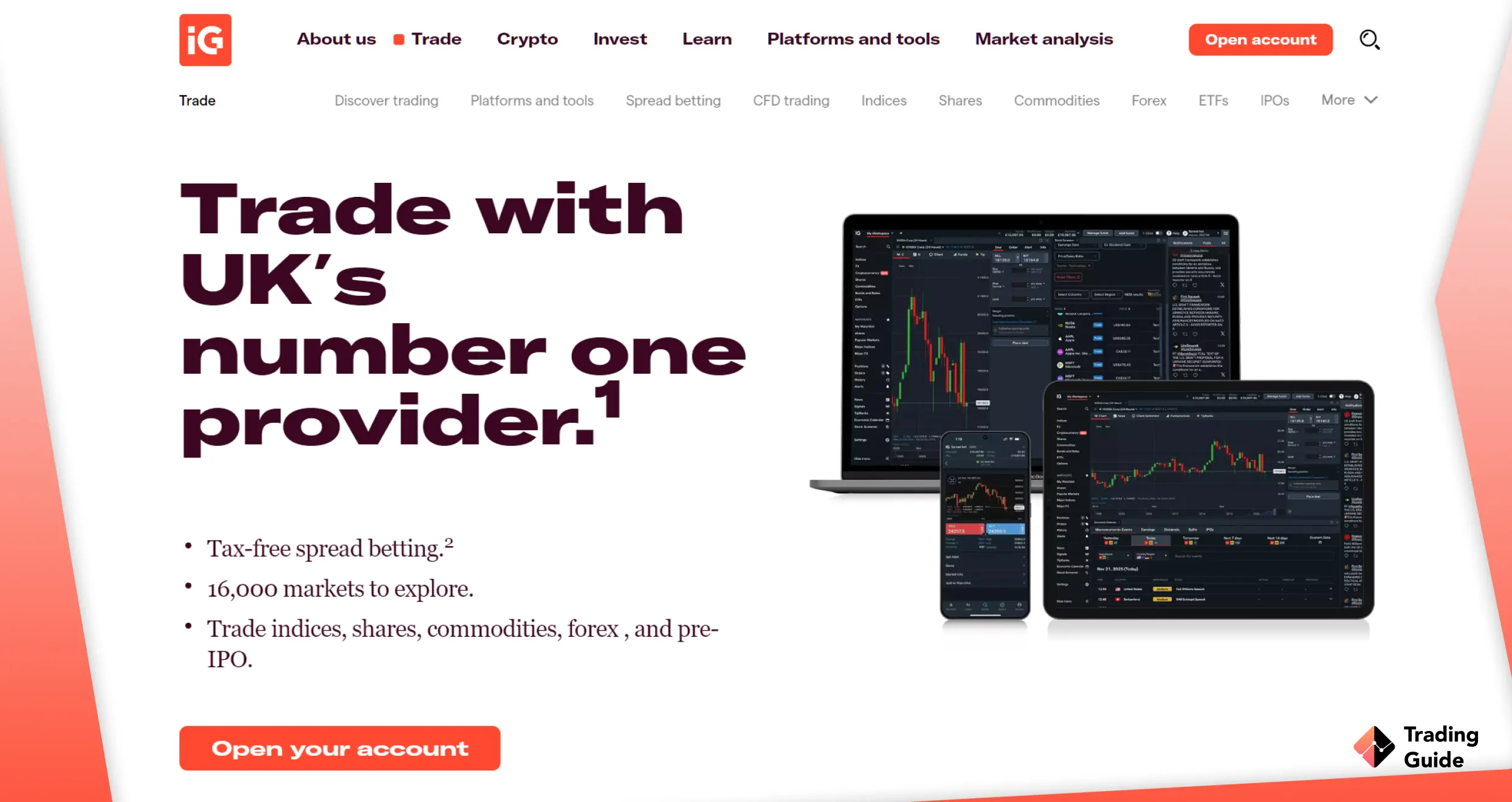
IG Group is one of the most established trading providers in the UK and has been operating in financial markets for decades. The company is listed on the London Stock Exchange(LSE) and regulated by the FCA.
IG offers a wide range of trading tools, detailed market analysis, and educational resources that help traders develop their knowledge over time. Retail traders can access forex markets with leverage up to 1:30 on major currency pairs.
Because of its strong research tools and professional trading environment, IG often appeals to traders who want deeper market insights alongside their trading platform.
Your capital is at risk

✔ Leading broker with low fees
Leverage Trading Risks
Key risks of leveraged trading include:
Losses can grow quickly: Because leverage increases the size of a position, even small price movements can lead to larger losses. A currency pair moving just 1–2% can significantly affect a highly leveraged account.
Emotional pressure when trading: Large positions compared with account size can create stress. Traders may close winning trades too early or keep losing positions open, hoping the market will reverse.
Margin calls: If losses reduce the account balance too much, the broker may trigger a margin call. This means the trader must add more funds, or positions may be closed automatically.
Overtrading: Higher leverage can tempt traders to open more positions than they should. This increases overall exposure to the market and often leads to inconsistent results.
For beginners, the main lesson is simple. Higher leverage means higher risk, so managing trade size and exposure becomes essential.
Stop-loss orders are one of the most practical tools for managing these risks. By setting a predetermined exit point on a trade, a stop-loss limits the maximum amount that can be lost on any single position. Most FCA-regulated platforms support stop-loss functionality as standard.
FAQs
Yes. Forex leverage is legal in the UK and regulated by the Financial Conduct Authority. Retail traders usually have a limit of 1:30 on major currency pairs.
Not necessarily. Many brokers allow accounts to start with smaller deposits because leverage increases buying power. However, a larger account can help manage risk during market volatility.
No. Leverage itself does not affect tax treatment. Taxes depend on the type of trading account and whether profits are classified under capital gains or income.
Yes. Traders can open positions without using leverage. This reduces potential losses and can help beginners understand how currency markets behave.
Conclusion
Forex leverage allows traders to control larger market positions with smaller amounts of capital. It can make trading more accessible, but it also increases risk.
In the UK, leverage limits already protect retail traders from extreme exposure. Many beginners still choose lower levels such as 1:10 or 1:20 to keep risk manageable.
Leverage should be treated as a tool rather than a shortcut to fast profits. Traders who focus on risk control and disciplined position sizing are more likely to stay in the market long enough to build real experience.

One Reply to “Forex Leverage for Beginners: What to Use?”
Leave a Reply

25,000 hours of testing 60+ brokers. Our recommended broker is eToro.
Our recommended broker is eToro.



The explanation of how margin requirements work and the ESMA regulations is actually helpful context - those 30:1, 20:1, 5:1 limits aren't arbitrary numbers, they're the result of real regulatory experience with what causes problems.