




 Claire Maumo
MetaTrader 4 and MetaTrader 5 remain the two most widely used trading platforms in the world. Despite being more than a decade old, both are still central to how millions of retail traders access global markets. In the UK, interest in MT4 vs MT5 has picked up again as more beginners explore online trading alongside rising awareness of costs, regulation, and platform choice.
At a glance, MT4 and MT5 look almost identical. They are often offered by the same brokers and share a similar layout. This leads many new traders to assume that MT5 is simply a newer version of MT4. Unfortunately, that’s not the case. Each platform was built with different goals, and those design choices affect how beginners trade, learn, and manage risk today.
So, what’s the difference between the two platforms? Let’s find out below.
What Is MetaTrader 4 (MT4)?
MetaTrader 4 was launched in 2005 and was built mainly for retail foreign exchange trading. Over time, it became the default platform for individual traders around the world, especially those focused on currencies.
MT4 concentrates on a limited but familiar set of markets. These usually include major and minor currency pairs and, depending on the broker, CFDs on indices or commodities. Its layout is deliberately simple. Charts, price quotes, and order windows are easy to locate and understand, even for people with no prior trading experience.
For beginners, MT4 remains popular for three clear reasons:
- The interface is clean and uncluttered, which reduces early confusion
- There is a vast amount of educational material, indicators, and guides online
- The platform is stable and supported by a large number of brokers
Many UK traders still start by choosing from established MT4 brokers, as the platform remains widely available and easy to learn.
MT4 also supports automated trading via Expert Advisors. Most beginners do not use automation at the start, but this feature helps explain why MT4 continues to be widely used despite its age.
What Is MetaTrader 5 (MT5)?
MetaTrader 5 was released in 2010 and designed as a more flexible trading platform. Although it shares the MetaTrader name, it is not a direct replacement for MT4. It was built to support a broader range of markets and more advanced trading features.
MT5 supports more instruments than MT4. Alongside forex and CFDs, it can also include shares, exchange-traded funds, and futures, depending on the broker. It is an excellent trading platform for UK traders who want exposure beyond currencies or are considering combining trading with longer-term investing.
Key features of MT5 include:
- More chart timeframes and built-in indicators
- Faster processing for certain order types
- An integrated economic calendar showing key market events
As more brokers expand beyond forex, interest in MT5 brokers has grown, particularly among traders who want access to a broader range of assets.
MT5 displays more data on the screen. That depth can be useful, but it also makes the platform feel busier. For new traders, the learning curve is still manageable, but it is higher than with MT4.
Key Differences Between MT4 and MT5
The difference between MT4 and MT5 is easier to understand when viewed side by side. While the platforms look similar, they were built for different trading needs.
| Feature | MT4 | MT5 |
|---|---|---|
| Primary focus | Forex trading | Multi-asset trading |
| Markets supported | Forex, limited CFDs | Forex, CFDs, shares, ETFs, futures |
| Chart timeframes | 9 timeframes | 21 timeframes |
| Built-in indicators | Fewer by default | Larger built-in selection |
| Order types | Basic market and pending orders | More advanced pending order types |
| Economic calendar | Not built-in | Integrated into the platform |
| Automation language | MQL4 | MQL5 (not compatible with MQL4) |
| Complexity level | Lower, beginner-friendly | Higher, more feature-rich |
| Best suited for | Forex-focused beginners | Traders planning broader market access |
How to Read This Table as a Beginner
MT4 is simpler because it was designed for one main purpose: forex trading. Everything from the layout to the tools reflects that focus. This is why many beginners find it easier to learn and less distracting.
MT5 is more flexible. It supports more markets and offers deeper analysis tools, but that also means more information on screen. For beginners who want to trade beyond currencies in the future, MT5 is the platform to go for. For those learning the basics, it may feel busier than necessary.
This table highlights why MT4 vs MT5 is not about which platform is better overall. It is about which one fits your goals right now.
Which Is Better, MT4 or MT5?
There is no single answer that suits everyone. The better platform depends on what you want to trade and your risk tolerance.
MT4 often suits traders who want:
- A simple introduction to forex trading
- A clear layout with fewer distractions
- Access to a large global learning community
MT5 is often better for traders who want:
- Access to more markets beyond currencies
- More analytical tools built into the platform
- A platform that can support growth over time
Neither platform improves results on its own. They are tools, not strategies. Spreads, execution quality, and account protection are set by the broker, not by MT4 or MT5. So, ensure you conduct thorough market research before trading using the MetaTrader platforms.
Which Platform Is Better for Beginners?
For many UK beginners, MT4 remains the easier place to start. Its design reflects years of use by retail traders. Educational material is easy to find, demo accounts are widely available, and the platform feels less overwhelming.
MT5 is also suitable for beginners, but it assumes a broader interest in markets and a willingness to explore more features. Some new traders choose MT5 from the start to avoid switching later. Others prefer to keep things simple during their first year and switch to more advanced features once they are confident in their trading/investing skills.
As a beginner, using demo accounts on both platforms is often the best way to decide. It allows you to explore features without risking money.
Top Picks for MetaTrader Brokers
UK traders usually access MT4 or MT5 through regulated online brokers. While the platform shapes how you analyse markets and place trades, the broker controls pricing, execution quality, market access, and client protection under UK regulation. Below are three MetaTrader-compatible brokers often considered suitable for beginners, with added context on where each one stands out.
1. Pepperstone
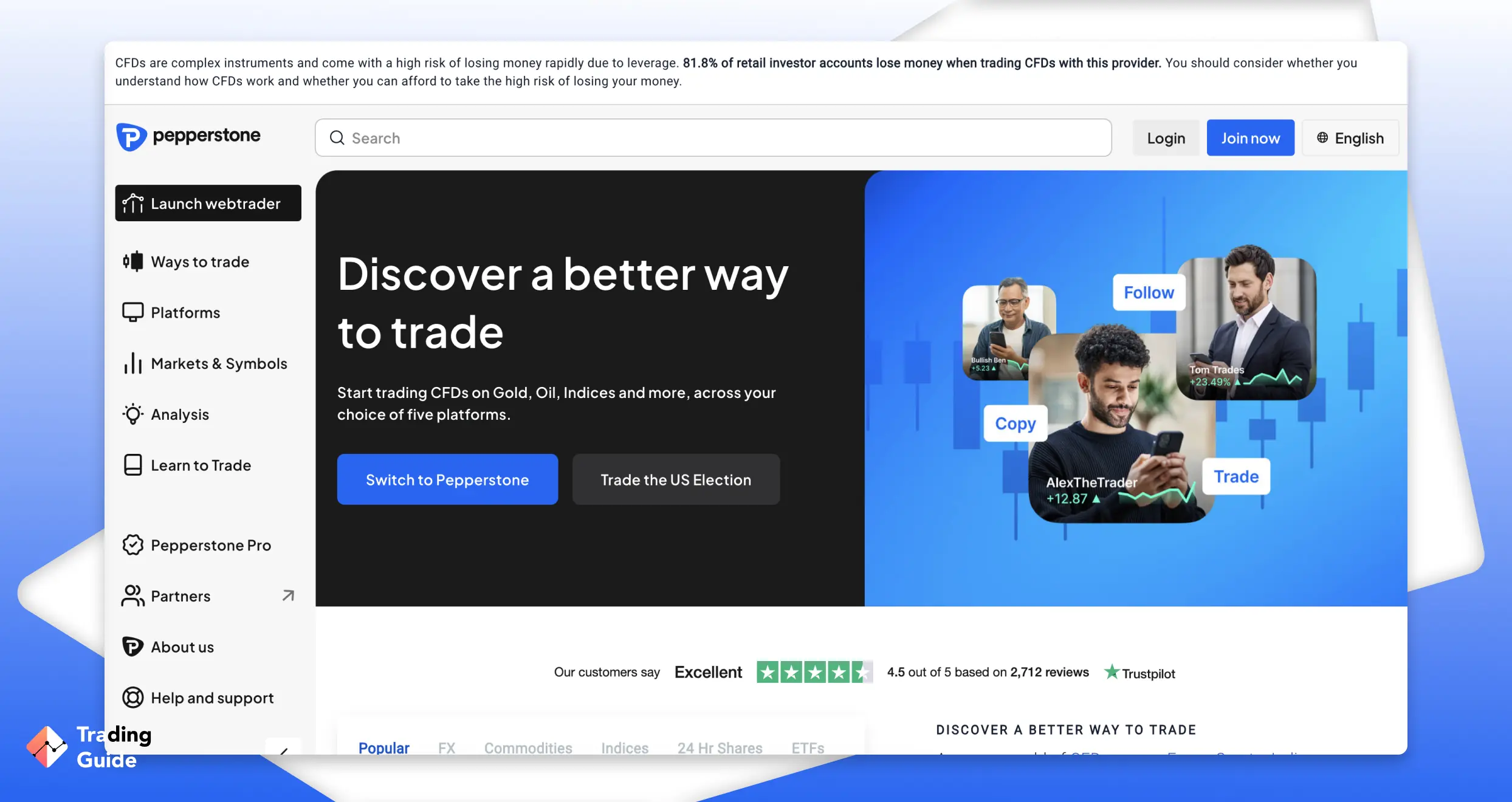
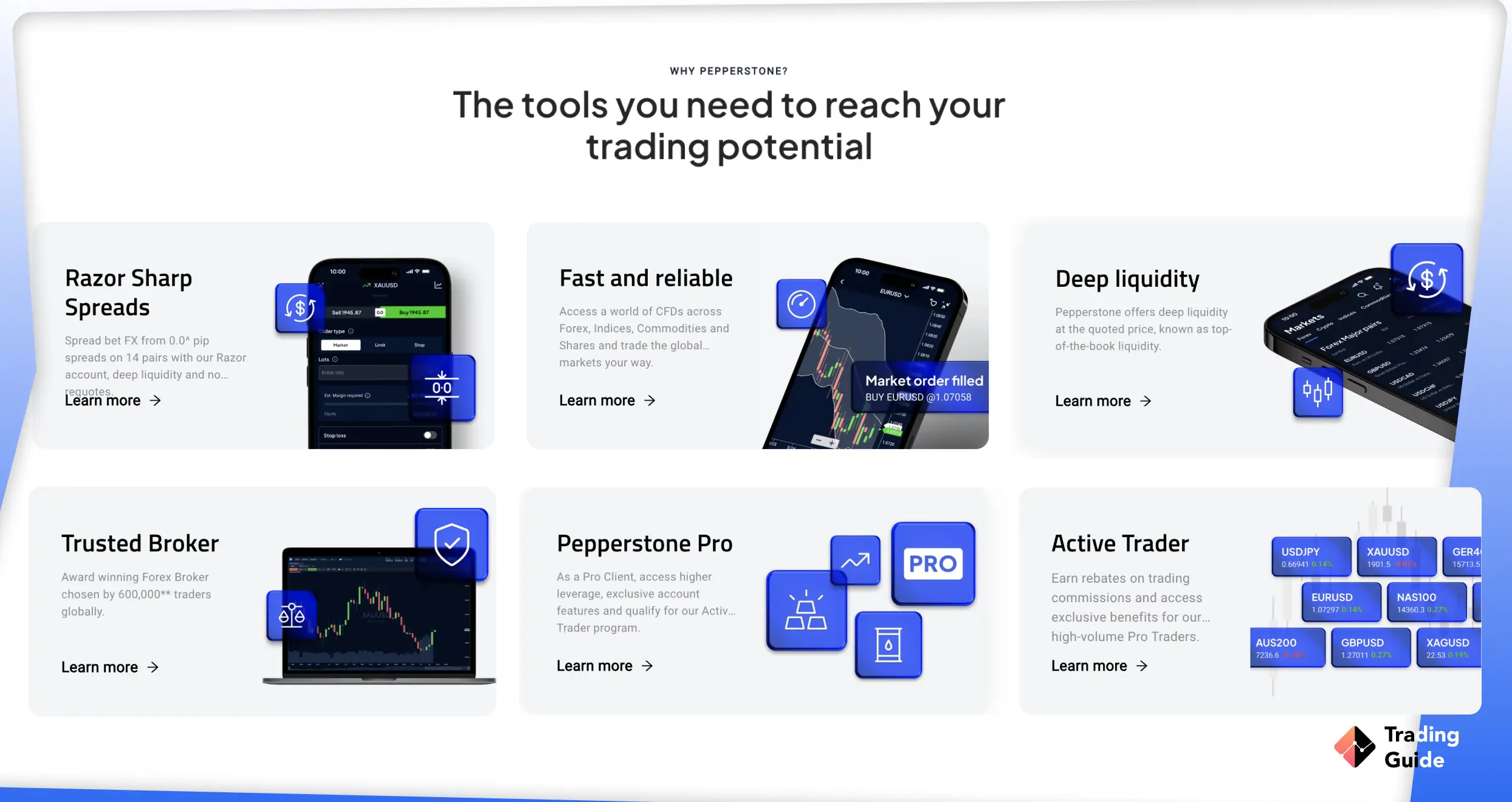

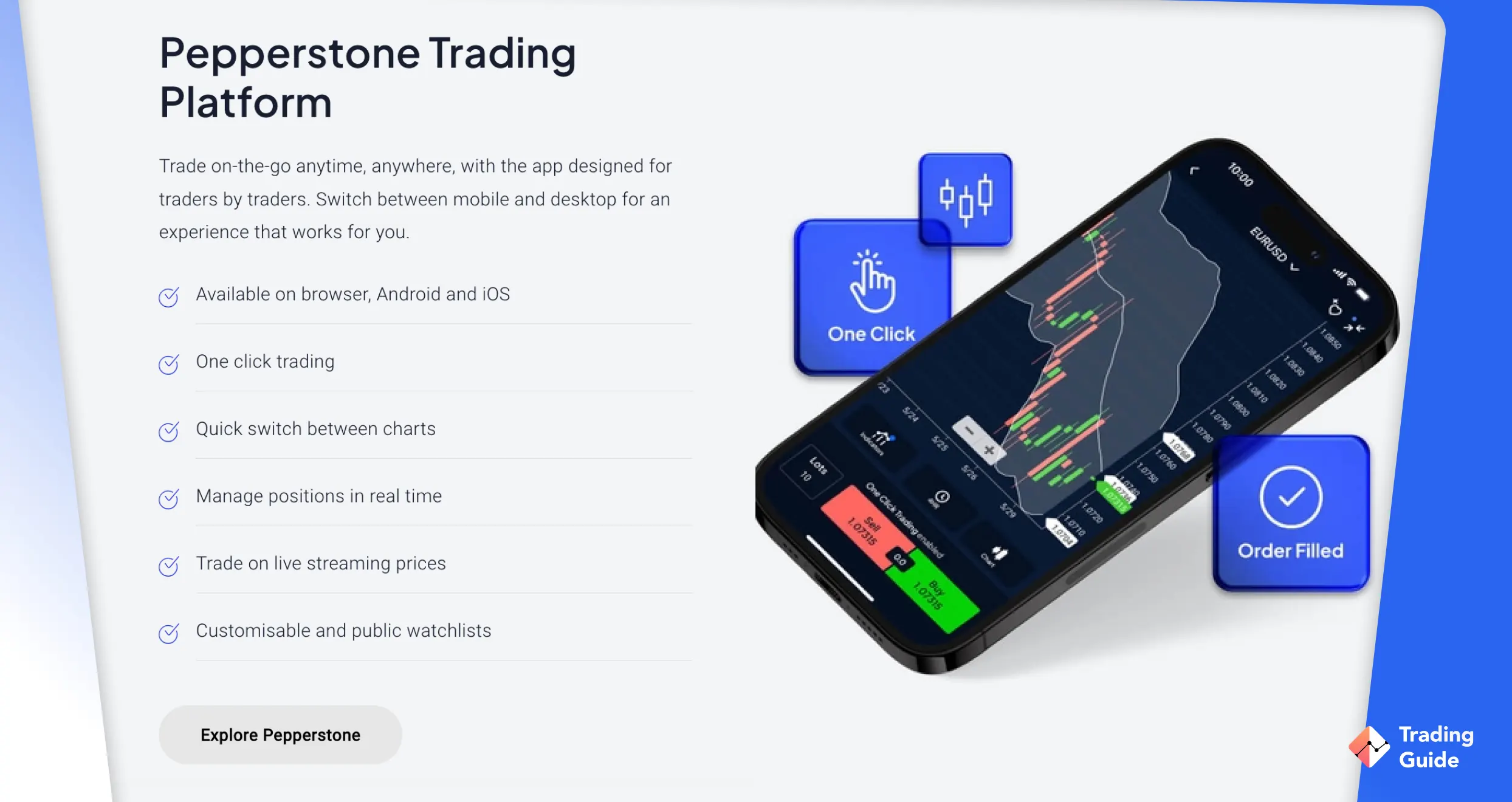
Pepperstone is known for a clean and reliable MetaTrader experience, supporting both MT4 and MT5. It is recognised for fast execution and tight spreads, which helps beginners see costs clearly from the start. Account setup is straightforward, with simple explanations of margin, leverage, and fees.
The broker focuses mainly on forex and CFDs, including indices and commodities. Platform performance remains stable even during busy market periods, which reduces frustration for new traders. Educational content is practical and risk-focused rather than promotional. Pepperstone suits beginners who want to learn how trades are executed in real market conditions without unnecessary extras.

✔ No dealing desk intervention




2. FxPro
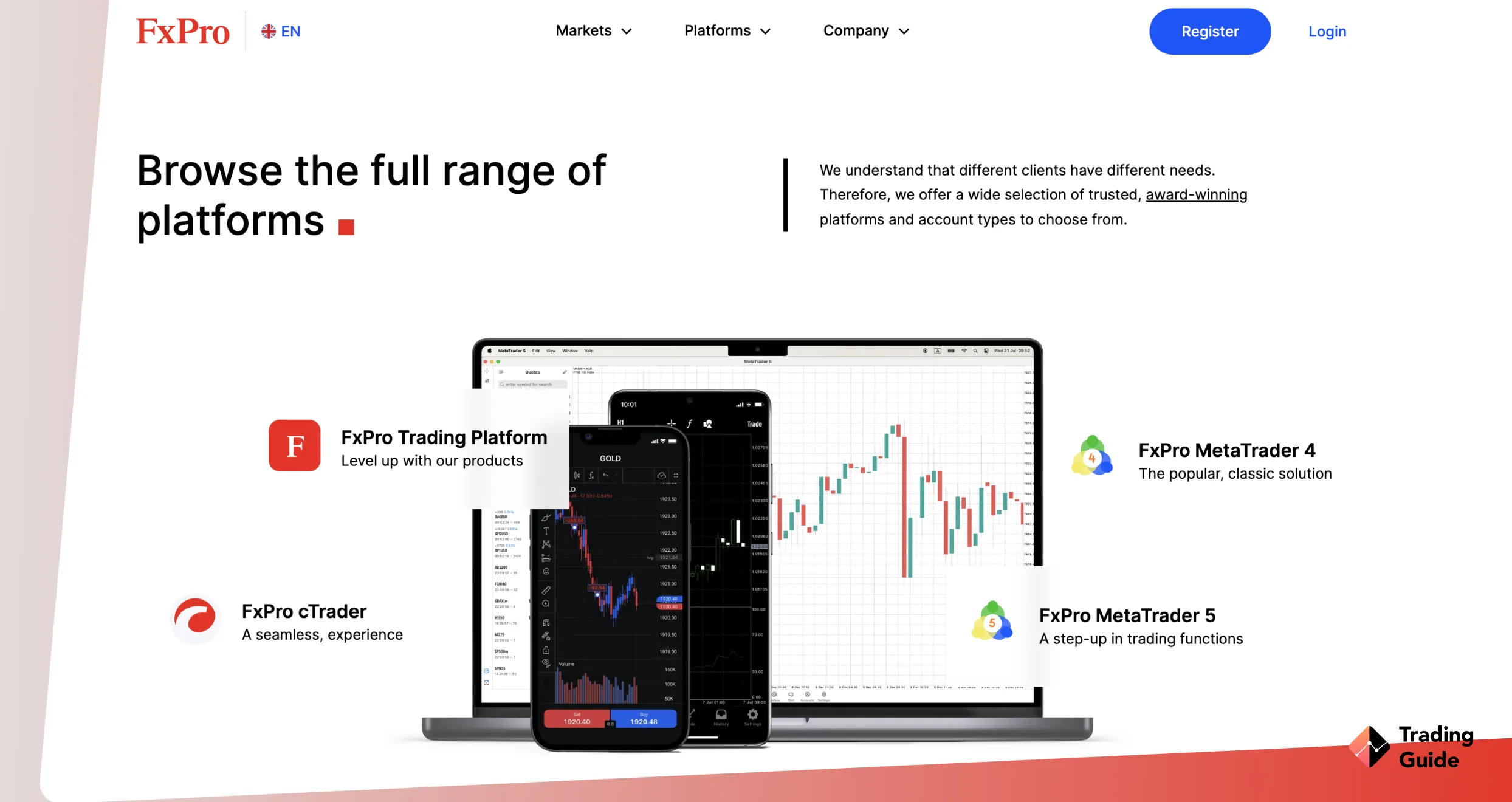
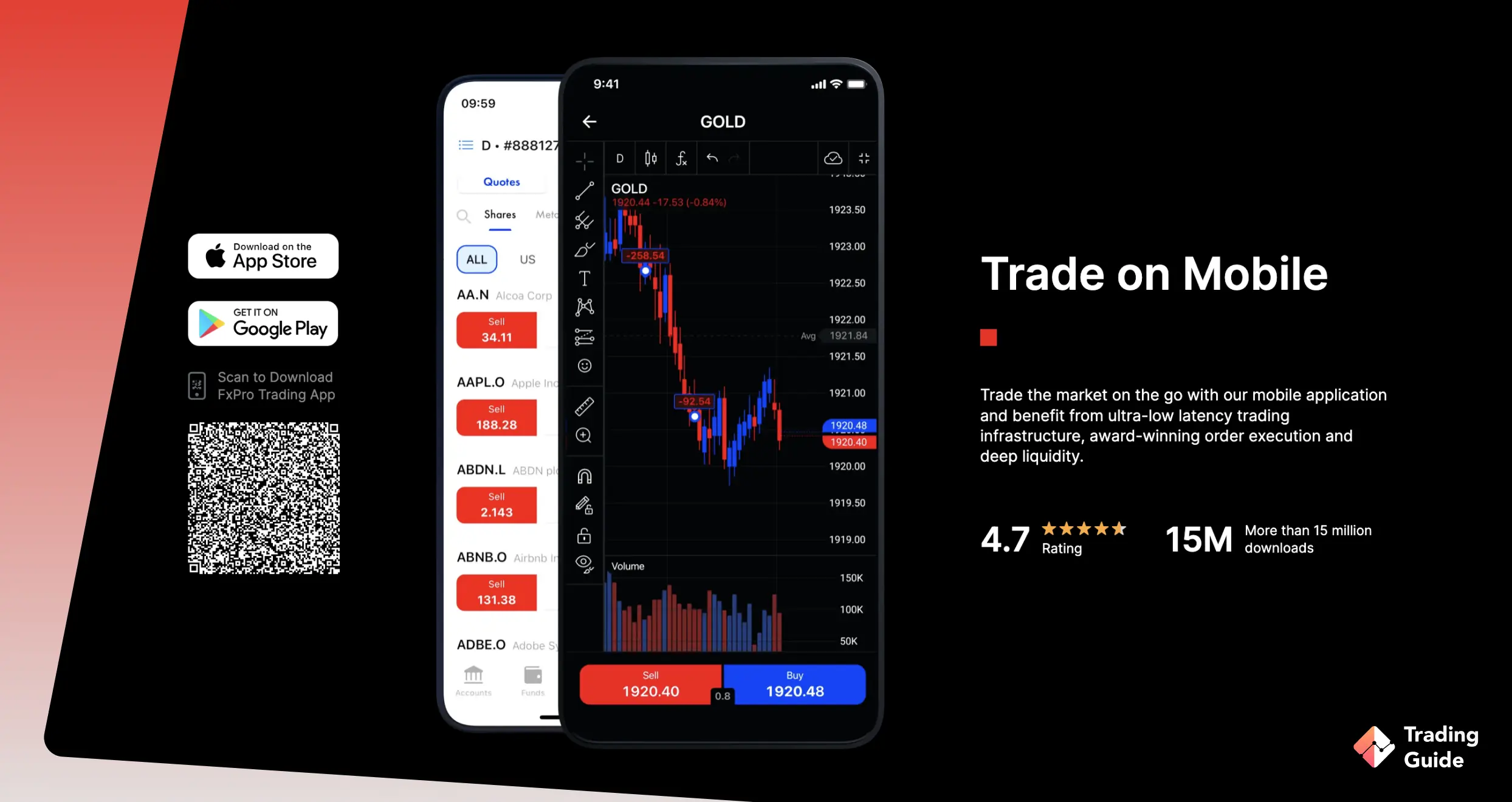
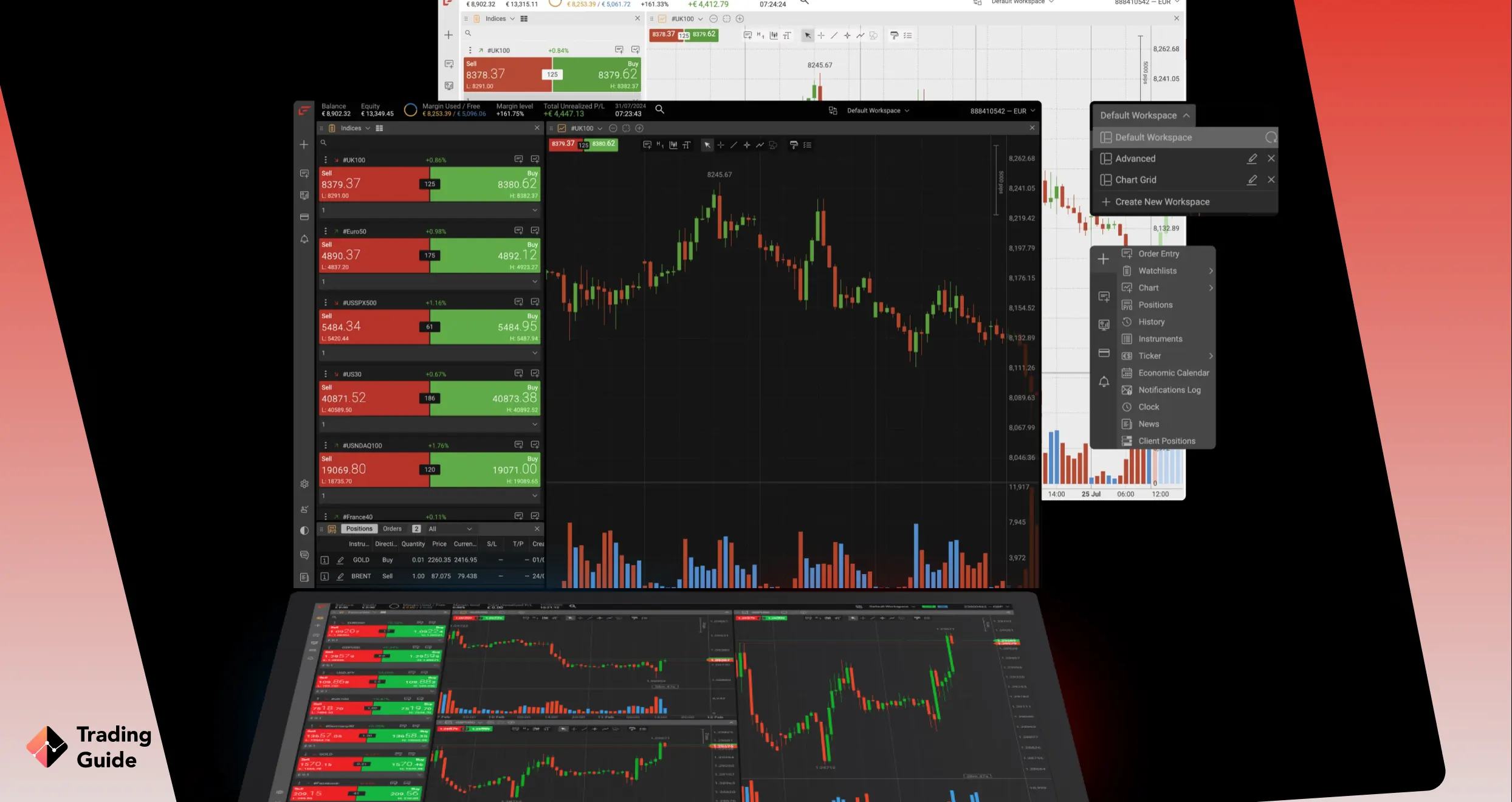
FxPro is a long-established broker offering both MT4 and MT5 across several account types. It appeals to beginners who value structure and transparency. One of its strengths is clearly explaining how orders are handled, which helps new traders understand execution rather than treating it as a black box.
MetaTrader platforms at FxPro are stable and well supported, with consistent charting and order handling. Educational material covers platform use, trading basics, and market concepts in plain language. FxPro feels more formal than some competitors, but that professional tone can help beginners build disciplined habits early on.

✔ Trustworthy broker
3. IG Markets
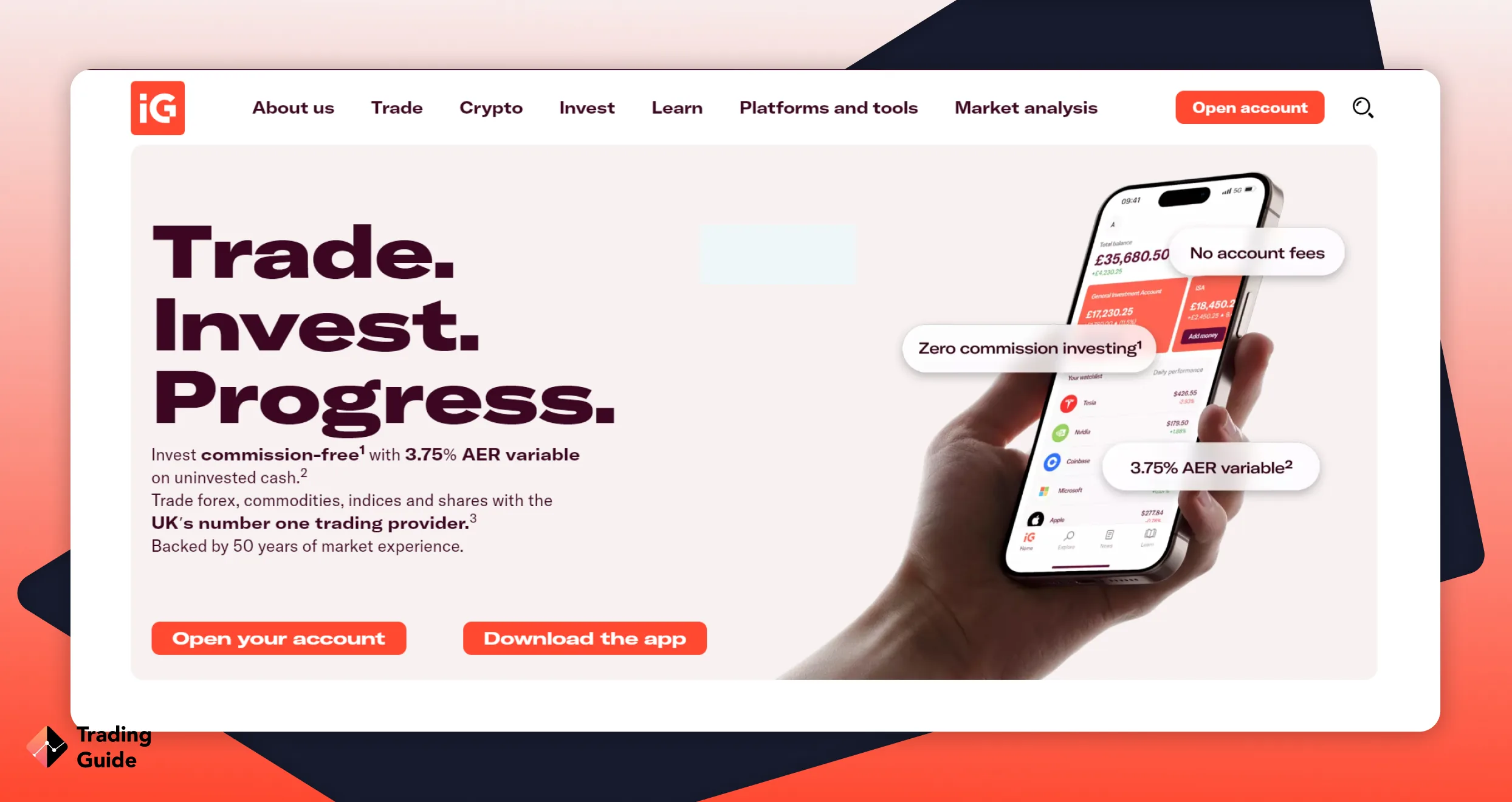

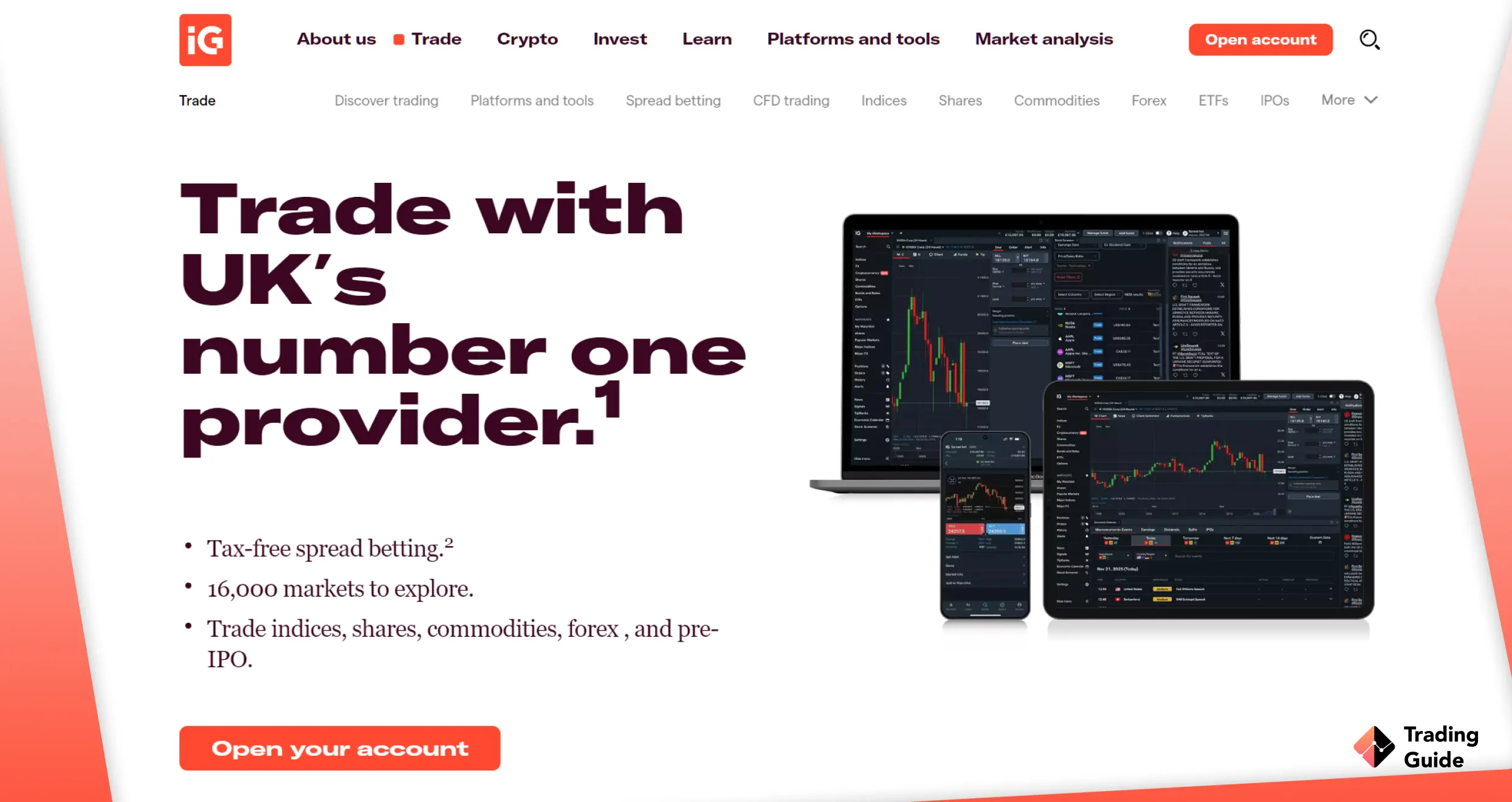
IG Markets is one of the most established trading providers in the UK. It offers MT4 alongside its own proprietary platform, though MT5 availability is limited. MT4 users benefit from strong pricing, wide market coverage, and robust UK regulatory oversight.
IG stands out for education and research. Beginners have access to detailed explanations of market behaviour, trading risks, and platform use. Its long track record and FCA oversight can provide reassurance for first-time traders. IG suits cautious beginners who place a high value on trust, learning resources, and strong consumer protection.
MetaTrader provides the interface, but the broker sets the rules that matter most in practice. Choosing a well-regulated broker with clear pricing, reliable execution, and solid education is just as important as choosing between MT4 and MT5.

✔ Leading broker with low fees
How Do MT4 and MT5 Fit with UK Tax Rules?
Neither MT4 nor MT5 manages tax automatically. They are trading platforms, not tax reporting tools.
UK traders are responsible for understanding how profits are taxed. Depending on the instrument and trading activity, gains may be subject to capital gains tax rather than income tax. Spread betting, where available, may be treated differently, but this depends on the broker and account structure, not the MetaTrader platform.
Both MT4 and MT5 allow users to download detailed account history reports. These can help with record-keeping, but professional guidance is often needed to apply UK tax rules correctly.
FAQs
No. Safety does not depend on the platform version. Both MT4 and MT5 are secure when used through a properly regulated broker. Client protection comes from regulation, not from the software.
Yes. Many traders begin with MT4 and move to MT5 as their needs change. Accounts and tools do not transfer automatically, but switching platforms is common.
No. The platforms do not set spreads or fees. Trading costs are set by the broker and may vary by account type.
Yes. While both platforms are designed mainly for active trading, they can be used for long-term investing. Some brokers offer share trading through MT5, but many long-term UK investors prefer platforms built around ISAs and portfolio management.
Final Thoughts
The MT4 vs MT5 debate often sounds more complex than it needs to be. Both platforms remain reliable, widely used, and suitable for retail traders. The real difference is about scope and complexity, not quality.
For beginners, clarity matters more than advanced features. MT4 offers a calmer and more familiar starting point, while MT5 offers broader market access and more room to grow. Neither choice is permanent. What matters is understanding what each platform is designed to do and choosing the one that fits how you want to learn today.