




For UK investors exploring digital assets, NFTs can feel both exciting and confusing. These tokens represent ownership of items like digital art, music, or virtual land. However, knowing what holds real value isn’t always straightforward.
With headlines focused on soaring prices and celebrity-backed drops, it’s easy to question whether NFTs are a real opportunity or just hype. The key is understanding what you’re buying, how to do it safely, and whether it fits your financial goals.
This guide offers a clear starting point to help UK investors approach NFTs with confidence.
How to Invest In NFTs: Step-by-Step
Buying an NFT isn’t quite as simple as placing an online order. It involves a few key steps, from setting up a wallet to choosing the right marketplace. Here’s a clear process for UK beginners.
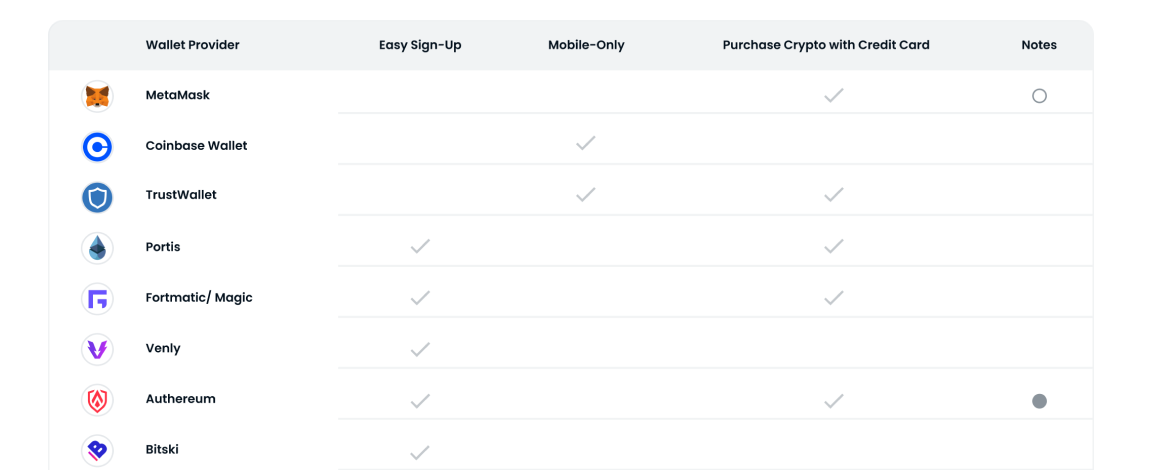
Create a digital wallet to hold both cryptocurrency and NFTs. MetaMask and Trust Wallet are popular choices, especially for Ethereum. Secure your account with a password and store your seed phrase safely, as it’s your only backup.
Most NFTs are priced in Ethereum (ETH). Purchase ETH via exchanges like Coinbase, Kraken, or Binance, then transfer it to your wallet. The process usually takes minutes and includes a small network fee.
Marketplaces like OpenSea or Rarible let you browse, buy, and sell NFTs once your wallet is connected. Check fees and platform terms before making a purchase.
Explore categories such as digital art, gaming items, or collectibles. Research carefully since many NFTs are speculative. When ready, confirm the transaction through your wallet and pay the network fee.
Your NFT will appear in your wallet or marketplace profile. For valuable assets, consider moving them to a hardware wallet for extra security.
Following these steps will help you build confidence and avoid common missteps as you begin investing in NFTs.
Where to Buy NFT: Top 3 Marketplaces
Choosing the right NFT marketplace is an important step for new investors. While many platforms support NFTs, a few stand out for their reliability, ease of use, and fees. Here are three popular options for UK beginners, each with its own strengths and drawbacks.
1. Crypto.com
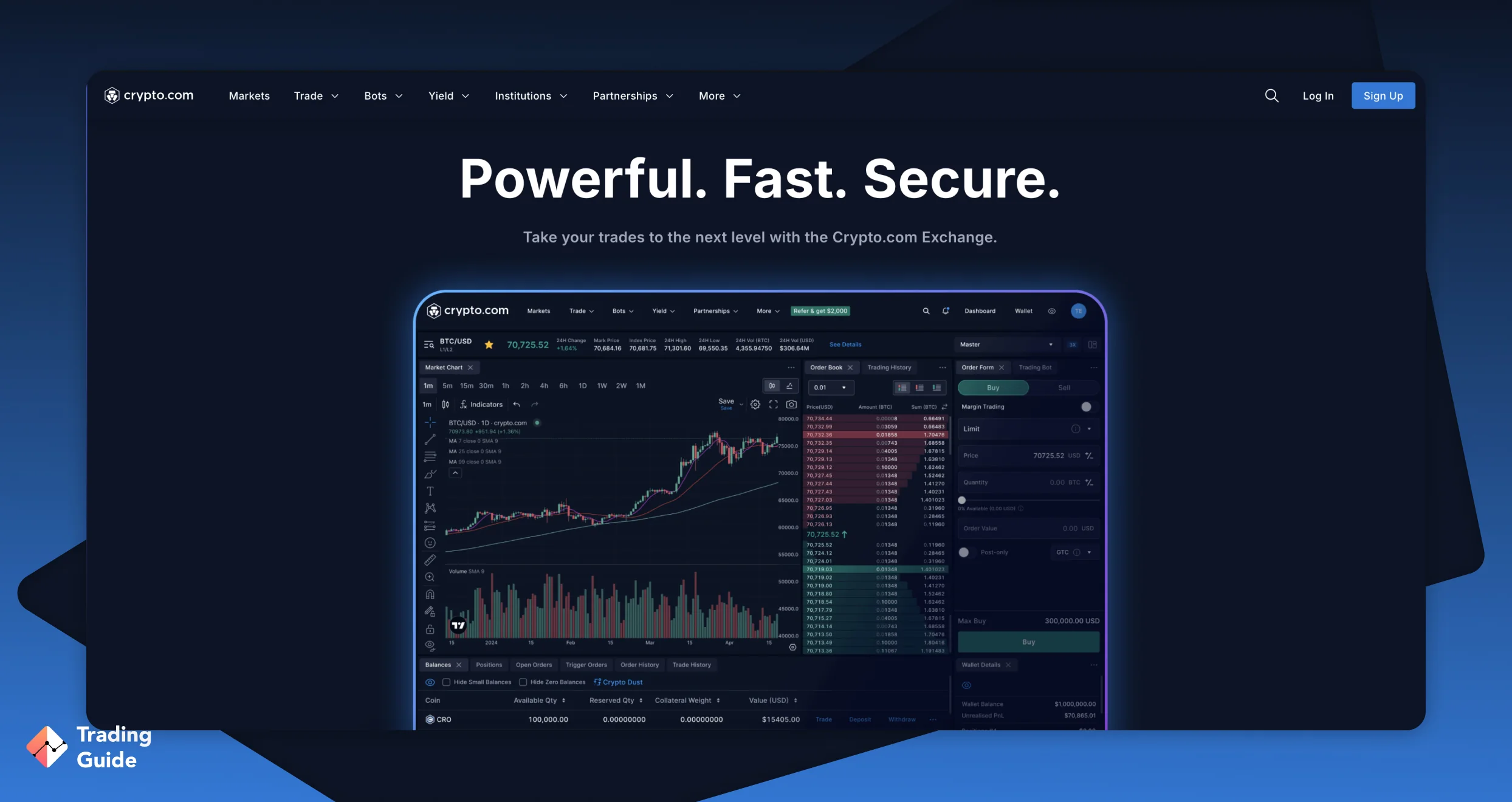
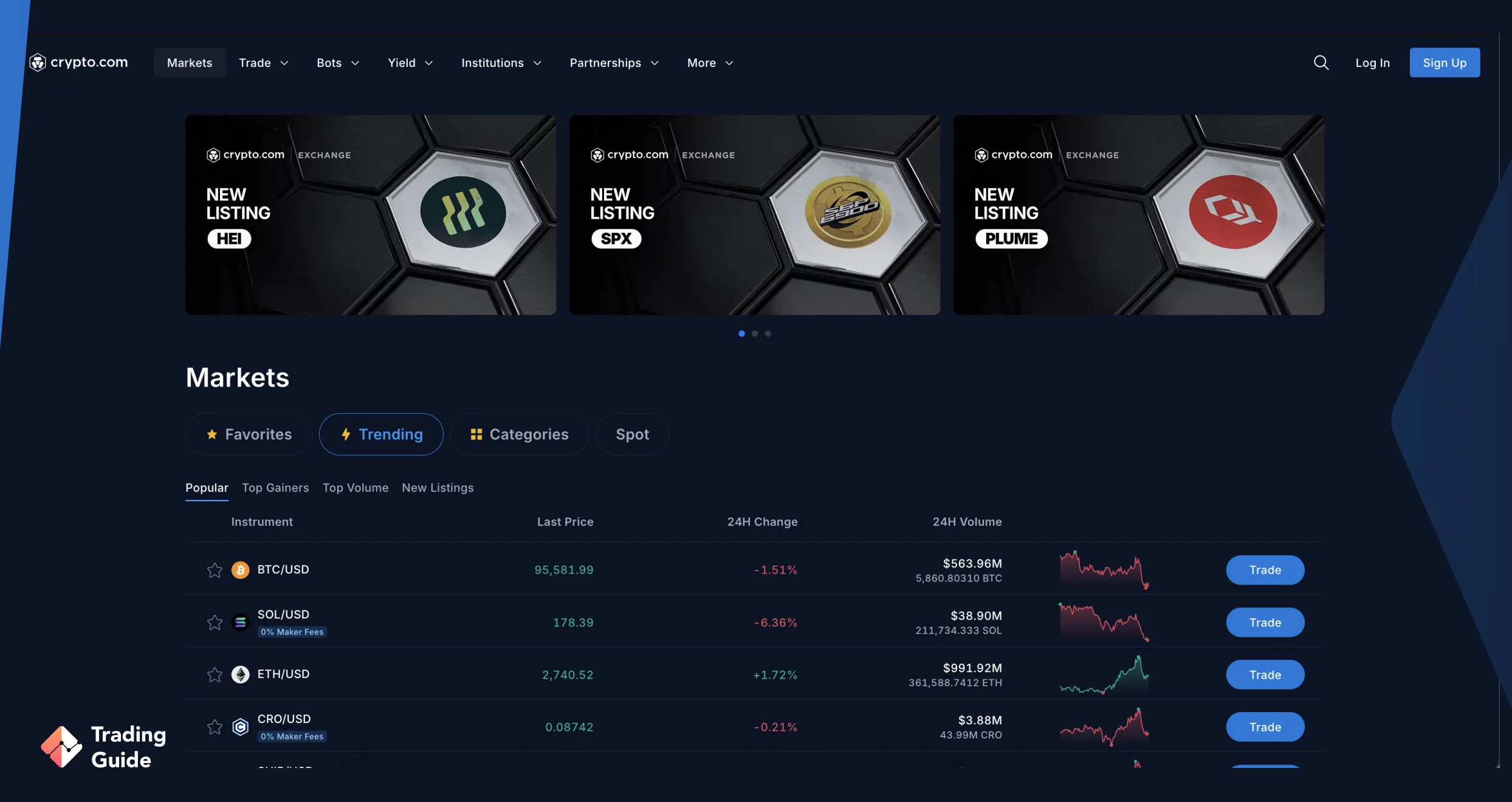
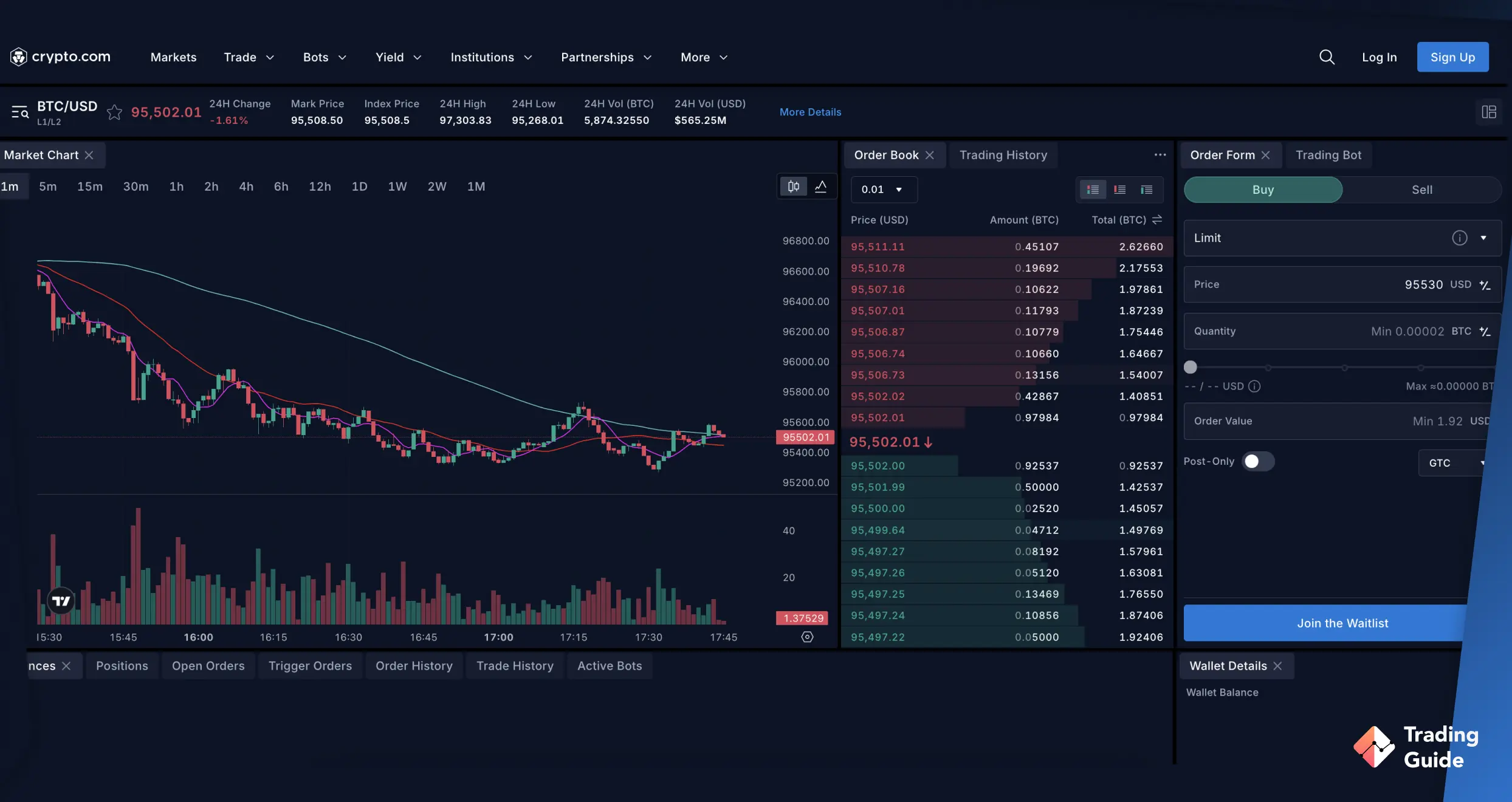
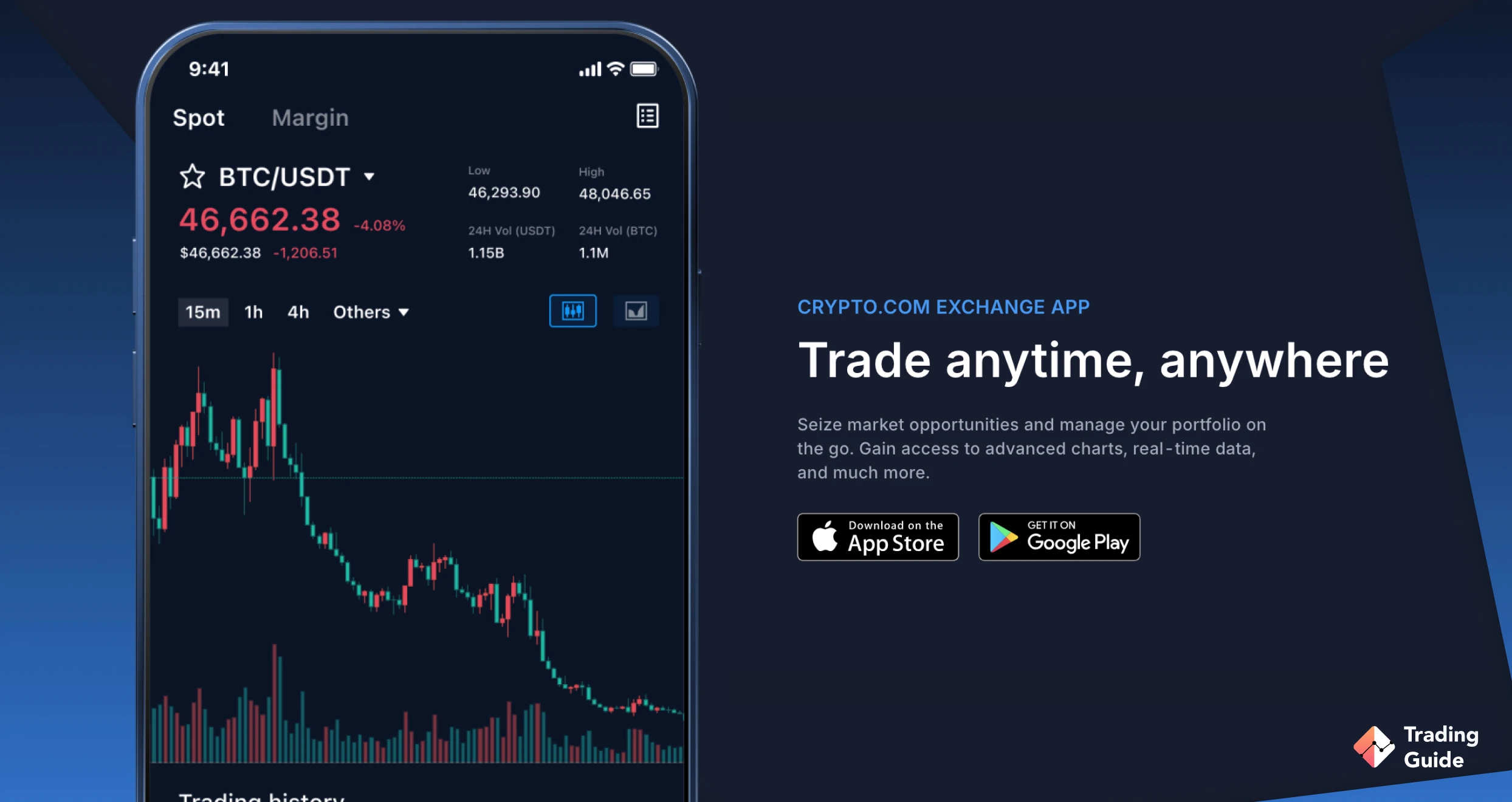
Crypto.com`s NFT marketplace offers a simple entry point for beginners, integrated directly into the main app. Users can buy NFTs with crypto or card payments, avoiding the complexity of external wallets. The focus is on curated collections in music, sports, and entertainment, supported by competitive fees and strong security. Although the catalogue is smaller than OpenSea’s, its streamlined design makes it an easy, low-risk starting place for newcomers.
✔Earn daily rewards on your balance, no lock-up period




- Integrated with the main Crypto.com app
- Competitive fees
- Curated collections in music, sports, entertainment
- Smaller asset selection than older marketplaces
- Limited support for independent creators
- Fewer external wallet options
For beginners already using Crypto.com to buy crypto, the NFT section offers a simple, all-in-one experience with verified collections and card payment options.
2. Coinbase
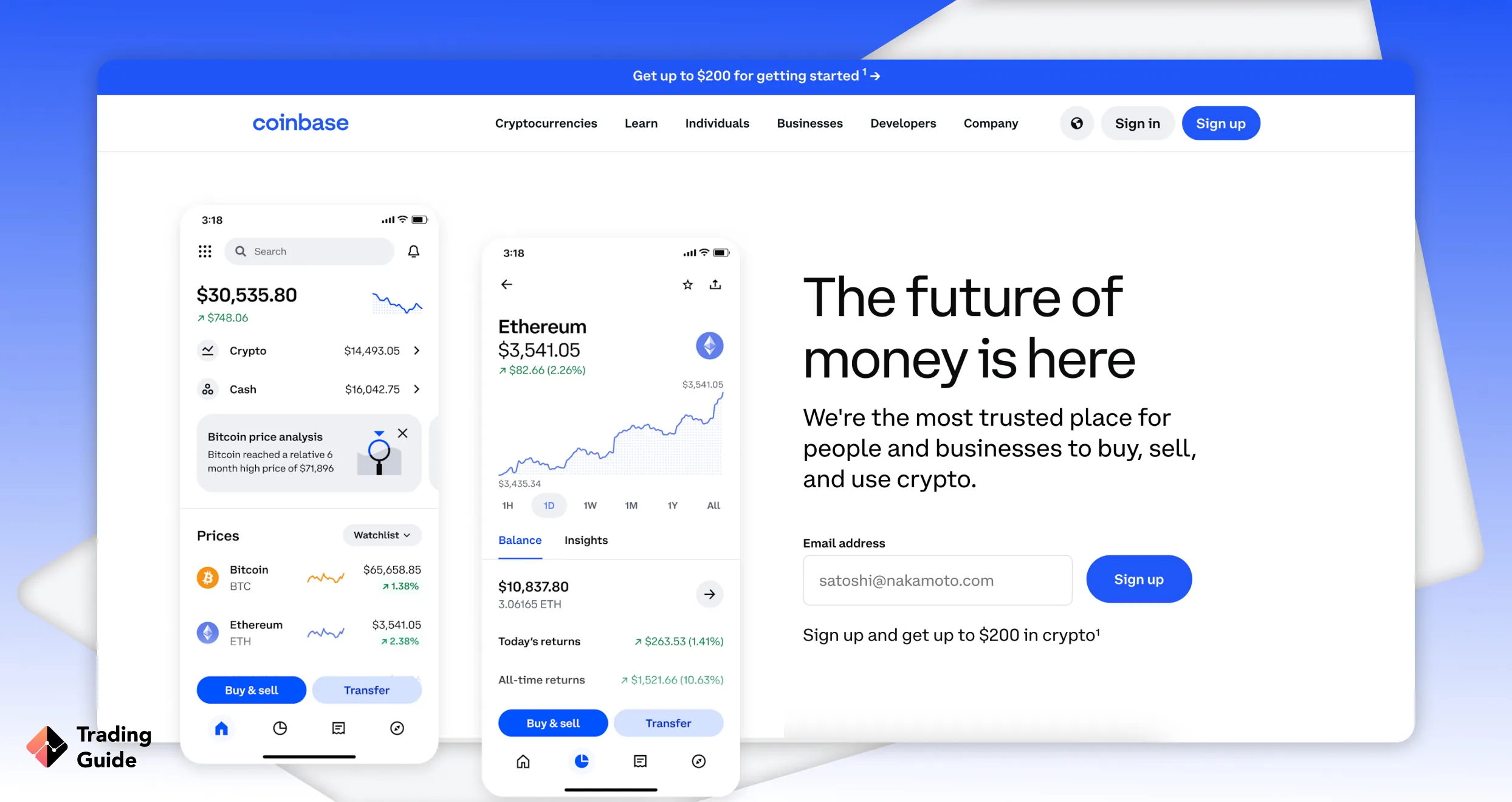
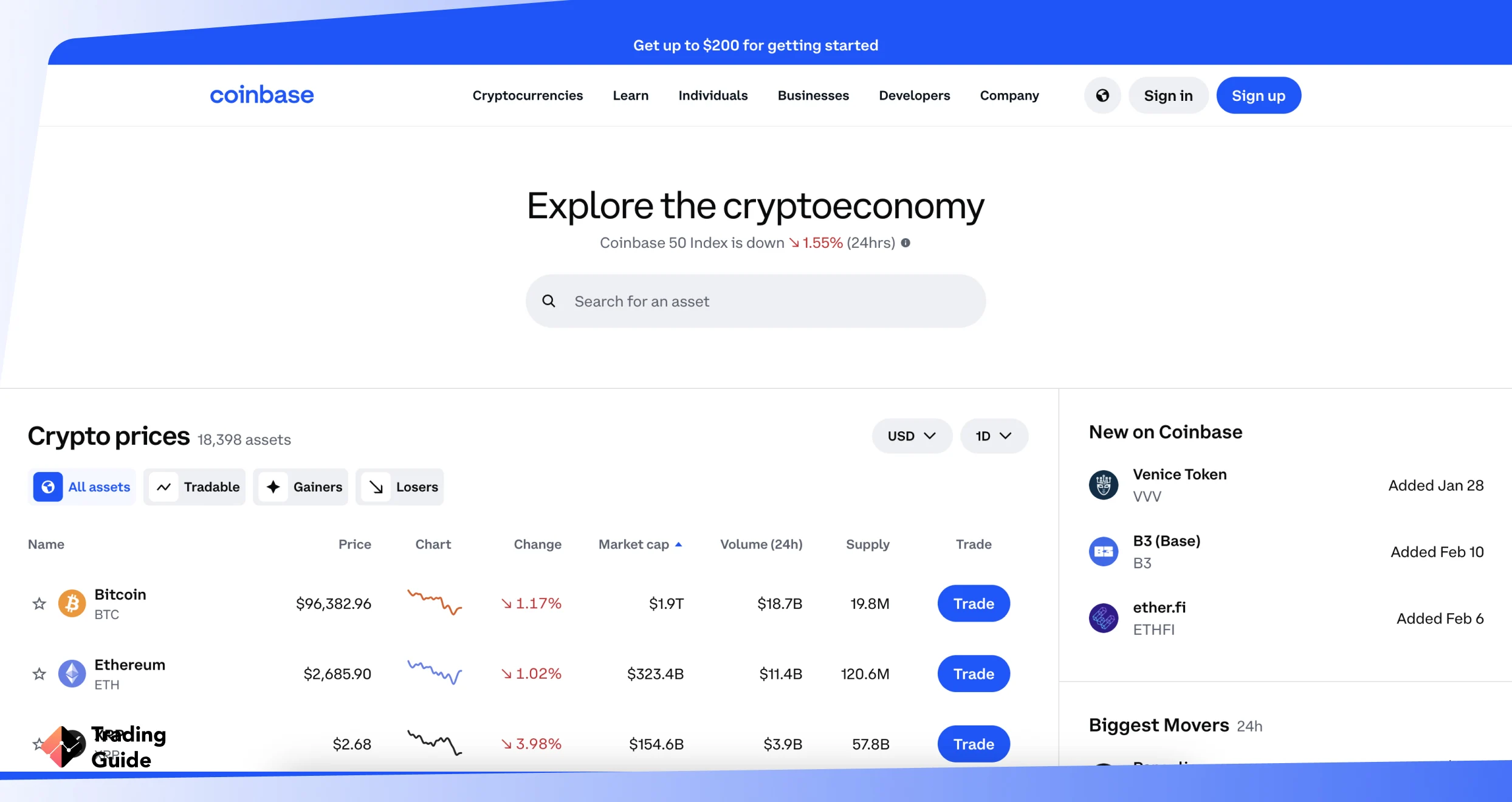
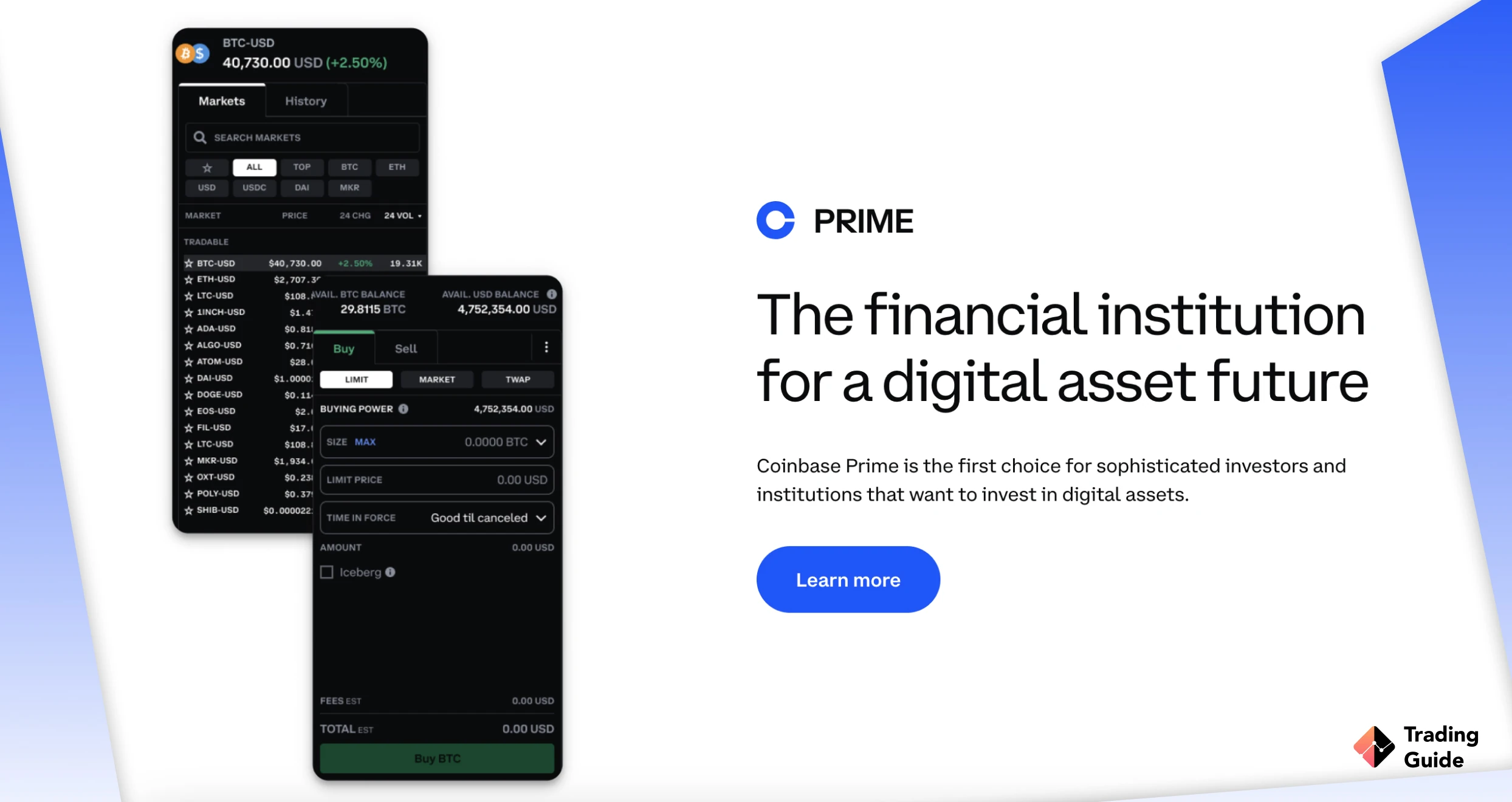
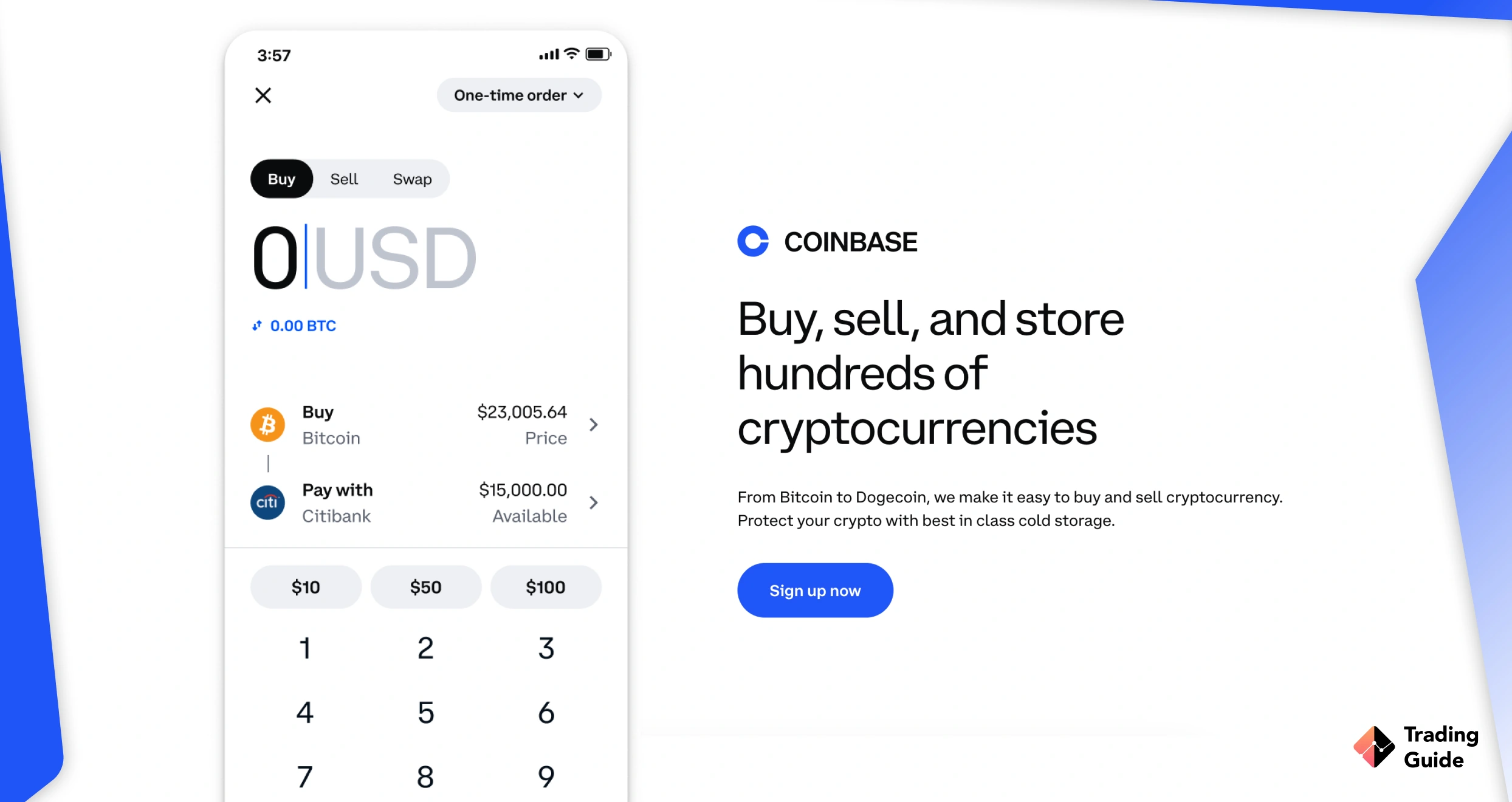
Coinbase NFT extends the trusted exchange into digital collectibles, built for beginners. It connects seamlessly with Coinbase accounts, making ETH transfers simple. The clean interface and tutorials guide first-time buyers. While the selection is still limited and Ethereum-only, meaning higher gas fees, it benefits from Coinbase’s strong reputation for security and compliance, making it a safe first step for UK users.
✔Inbuilt cryptocurrency wallet
- Beginner-friendly interface and educational guides
- Easy ETH transfers from Coinbase
- Strong security and compliance reputation
- Limited asset selection compared to its peers
- Ethereum-only, higher gas fees
- Smaller user base and trading volume
If you’re already managing crypto through Coinbase, it’s a convenient way to get started without navigating a completely new platform.
3. OpenSea
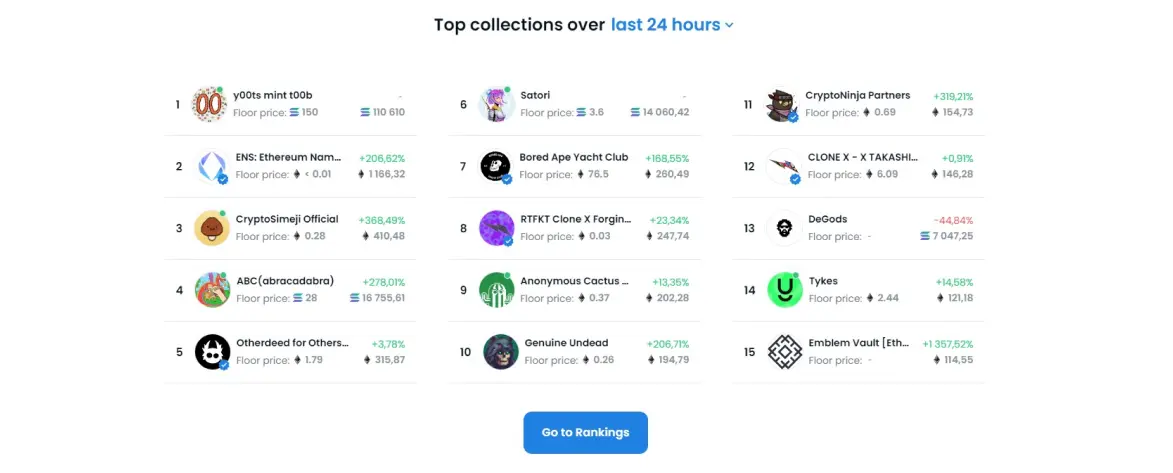
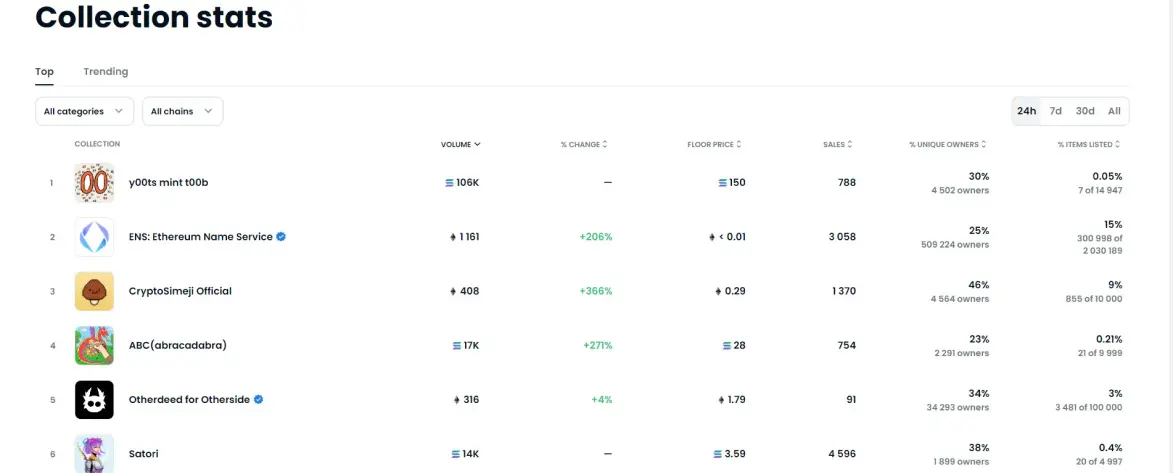
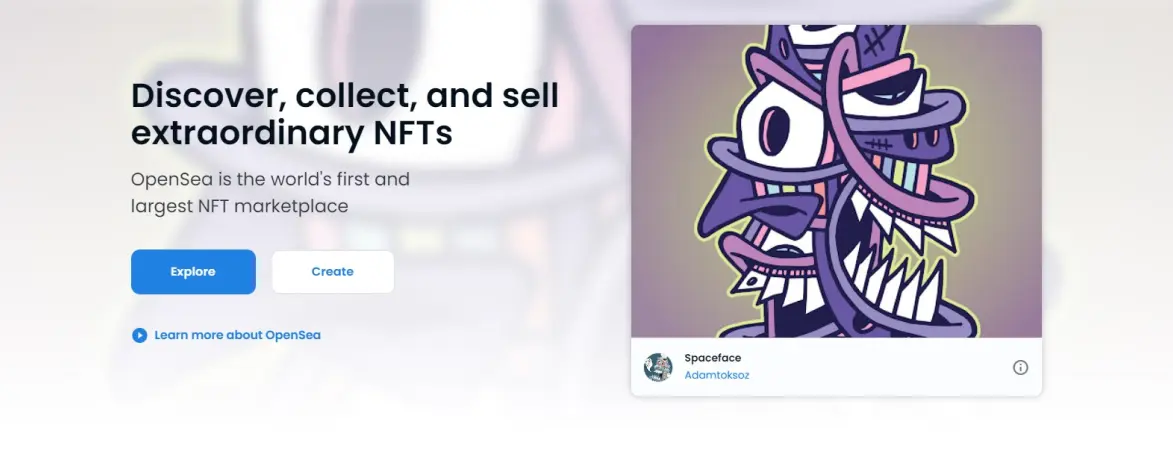
OpenSea is the world’s largest NFT marketplace, offering millions of assets across Ethereum, Polygon, and Solana. It caters to all types of collectors, from art enthusiasts to gamers, with high liquidity and broad choice. The platform charges a 2.5% fee, and Ethereum gas fees can add costs, but alternatives like Polygon reduce this. Though unverified projects pose risks, OpenSea remains the go-to platform for users seeking depth, diversity, and advanced NFT trading opportunities.

- Largest and most diverse selection of digital tokens
- Multi-chain support (Ethereum, Polygon, Solana)
- Covers all major NFT types
- Cluttered interface for beginners
- High Ethereum gas fees
- Risk of unverified or duplicate listings
OpenSea is ideal for those who want broad access and more advanced features. While it may take time to learn the platform, it offers the widest range of NFTs.
Each of these platforms requires a crypto wallet and compatible funds, such as ETH or SOL. If you’re looking for a simple starting point, both Crypto.com and Coinbase offer user-friendly platforms. OpenSea offers more depth for those ready to explore the wider market.
Tips for Selecting the Best NFT Marketplace in the UK
Choosing an NFT marketplace deserves the same care as picking a stockbroker. Beyond the hype, a few basics help you judge whether a platform is worth using:
- Trust and transparency: Look for clear terms, responsive support, and a solid track record.
- Fees: Some platforms charge visible transaction fees; others include them in prices. Always check costs.
- Ease of use: A simple, intuitive interface reduces mistakes, especially for beginners.
- UK relevance: Platforms featuring British artists or local collections can feel more engaging.
Avoid platforms that push urgency or promise guaranteed returns. While the space is maturing, low-quality platforms still exist. Stick to those with straightforward terms and a strong reputation.
Types of NFTs
NFTs are more than profile pictures or internet trends. They represent ownership of digital assets across various formats, each with its own level of value and risk.
Digital Art
The most common type, digital art NFTs, are often collected like physical artwork. Their value depends on the artist’s reputation, the uniqueness of the piece, and demand from collectors.
Music and Video
Musicians and filmmakers now release content as NFTs. They sometimes include extras like early access or event perks. These can appeal to fans and collectors alike.
Virtual Real Estate
Platforms like Decentraland and The Sandbox let users buy and sell digital land. Owners can build, rent out, or resell properties, though interest in this space can fluctuate quickly.
Collectibles and Gaming
From digital trading cards to in-game items, NFTs have found a home in the gaming world. Some offer utility within games, while others are collected for their rarity or design.
Utility NFTs
These offer added features such as discounts, private access, or event passes. They may appeal to those looking for practical value beyond digital ownership.
Knowing what type of NFT you’re buying helps you understand the risks and potential benefits. Art may carry emotional or cultural significance, while utility tokens might offer something you can use.
If you’re interested in creating your own NFTs rather than just collecting them, here’s a step-by-step guide on how to create your own NFT. It covers everything from minting to marketplaces, tailored for UK users.
How to Store Your NFT?
Once you’ve bought an NFT, storage becomes the next priority. Unlike a regular file on your laptop, an NFT is tied to a blockchain and secured through a digital wallet. Proper storage protects both the asset and your access to it.
Hot Wallets
Connected to the internet, hot wallets like MetaMask and Coinbase Wallet are convenient for browsing and trading. They’re easy to use and convenient for short-term storage but offer less protection if your device is compromised.
Cold Wallets
Cold wallets, such as Ledger and Trezor, store NFTs offline and offer stronger security. They’re a good choice if you’re holding higher-value assets or prefer long-term storage.
NFT Galleries and Viewers
Some wallets, such as Rainbow and Trust Wallet, include built-in galleries that let you view and manage your NFTs. These tools make it easier to display or verify your collection.
Before buying, check that your wallet supports the blockchain your NFT uses. For example, an Ethereum-only wallet won’t store Solana-based NFTs. Using the wrong wallet could result in loss.
If you’re unsure where to start, take a look at this independent comparison of the best crypto wallets for NFT storage. It breaks down wallet types, features, and security levels, helping you choose one that matches your needs and experience.
FAQs
Yes. A wallet stores both your cryptocurrency and NFTs. Without one, you can’t complete purchases or hold assets securely. Make sure it supports the blockchain your NFT is built on.
Not in the same way as financial products. Some marketplaces follow security protocols, but the space remains largely unregulated. Choose platforms carefully and understand the risks.
Not directly. Most platforms require cryptocurrency, usually Ethereum. However, many exchanges let you buy ETH with GBP, which you can then transfer to your wallet.
Yes. However, that depends on your goals and risk tolerance. Some NFTs gain value, while others do not. Like art or collectibles, prices rely on demand. Only invest what you’re prepared to lose.
Conclusion
NFTs aren’t shortcuts to wealth, nor are they just speculative noise. They’re a new way to own and trade digital assets, blending culture and finance in a growing space. For UK investors, they offer an opportunity worth exploring with care.
Understand how the process works, use secure tools, and stick to platforms with a solid track record. As the market develops, staying informed is your best defence against costly mistakes.
Related Articles:

One Reply to “How to Buy NFT: Ultimate Guide for Beginners”
Leave a Reply

25,000 hours of testing 60+ brokers. Our recommended broker is eToro.
Our recommended broker is eToro.



I got into NFTs back in 2021 during the hype and made some decent money flipping a few pieces, but honestly it's been rough since then. Market's cooled off big time.
Used OpenSea mostly because it has the biggest selection, but yeah those gas fees are no joke. I once paid like £80 in ETH gas fees just to mint an NFT that I ended up selling for £150. After fees on both ends I barely broke even. Now I only trade when gas is low, usually weekends or late nights.