






 Thadeus Geodfrey
Venmo does not work in the UK, and that matters more now than it did a few years ago. As cash use continues to fall and everyday payments move fully onto mobile apps, more UK investors are noticing how often Venmo appears in American media and conversations. The question that keeps coming up is, if Venmo runs daily life in the US, what is the British equivalent?
The answer is not a single app. It is a system.
The UK already has instant bank transfers built into everyday accounts. That has shaped how payments work here and explains why Venmo never launched. What looks like a gap is actually a different design choice, one that most UK users already rely on without thinking about it.
We will explain why Venmo is unavailable in Britain, what people really mean when they search for a Venmo UK alternative, and which services UK residents use instead for splitting bills and sending money.
Is Venmo In The UK?
No. Venmo is not available in the UK. To use Venmo, a user must have a US mobile number, a US bank account, and legal residency in the United States. Even if the app can be downloaded on a UK phone, registration cannot be completed, and payments cannot be sent from a UK address.
Venmo’s absence from the UK is not about demand. It is about infrastructure. The service is built on the US ACH payment network, which links American banks and processes transfers on a different timetable. The UK uses a separate system known as Faster Payments, which allows most bank transfers to settle within seconds and usually without fees.
Because instant bank-to-bank transfers are already standard in the UK, banks and fintech firms built payment tools directly into current accounts. There was little need for a standalone service like Venmo to fill that role.
As a result, Venmo never launched in Britain, and for most UK users, its core function has long been available through other means.
Why Venmo Never Launched In Britain
Venmo solved a real problem in the US. For years, bank transfers were slow and unclear. Sending money between friends could take days. Venmo removed friction and made casual payments simple.
The UK never faced the same problem. Faster Payments has allowed near-instant transfers for well over a decade. At the same time, UK regulation places strong emphasis on consumer protection, identity checks, and safeguarding funds under the Financial Conduct Authority.
For Venmo to launch in Britain, it would need to rebuild its product around systems that already exist. Local banks and fintech firms moved faster and filled the space.
What People Mean By A “Venmo Equivalent” In The UK
When people search for a Venmo UK alternative or Venmo UK equivalent, they are usually not asking for Venmo itself. They are looking for the same outcomes:
- Fast payments between friends
- Simple mobile apps
- Easy bill splitting or shared spending
- No cash, cheques, or awkward reminders
UK services deliver these features, but through regulated banks or payment institutions. The focus is less on social interaction and more on reliability, privacy, and security.
Top Alternatives To Venmo You Can Use In The UK
While Venmo is unavailable in Britain, UK users are not missing out on its core function. The UK banking system already supports fast, low-cost payments, and most people can send money instantly using apps they already have. The difference is that UK alternatives are built around bank accounts and regulation, not social feeds.
Below are the main services that act as a Venmo UK equivalent today.
Revolut

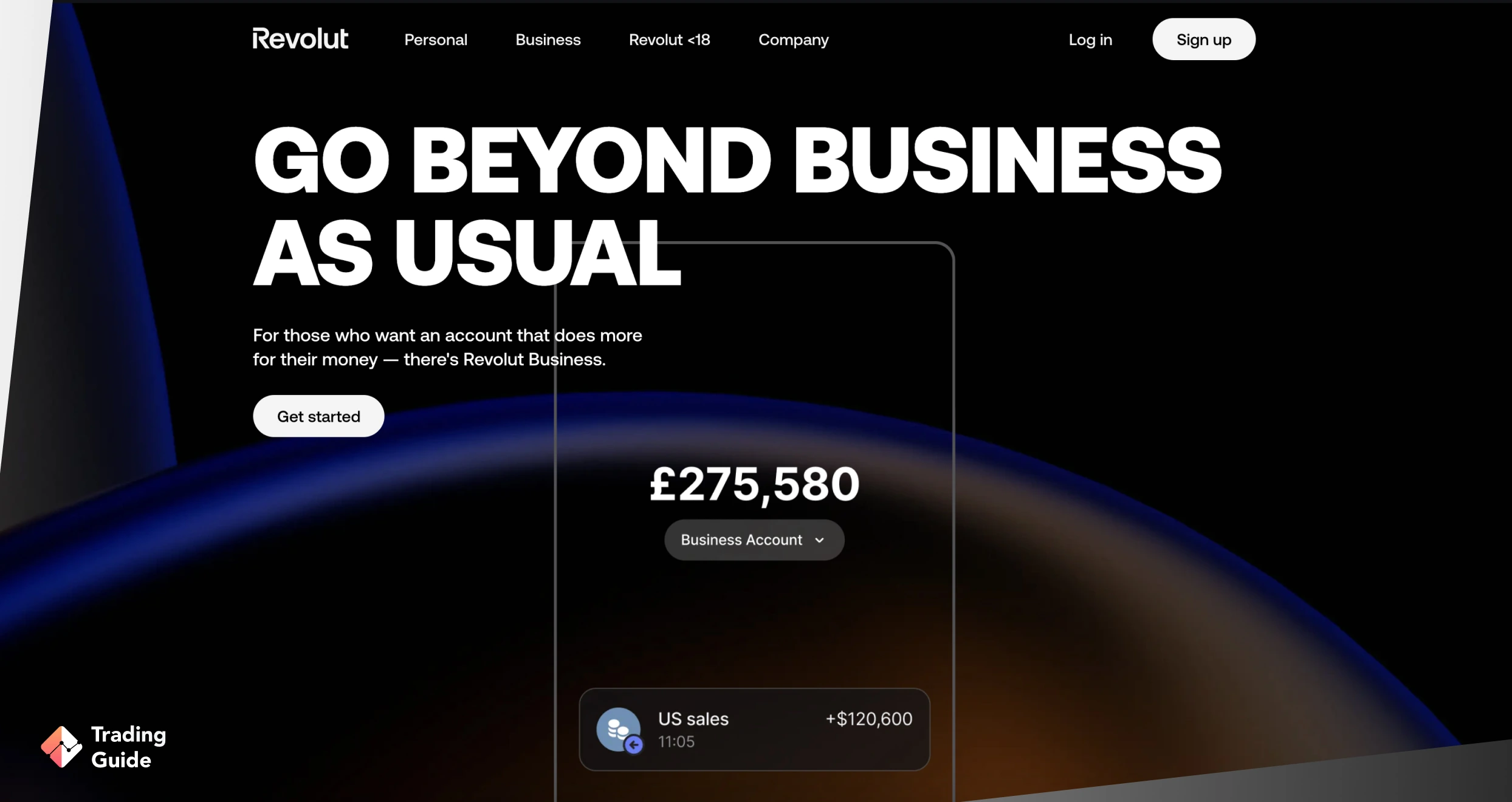
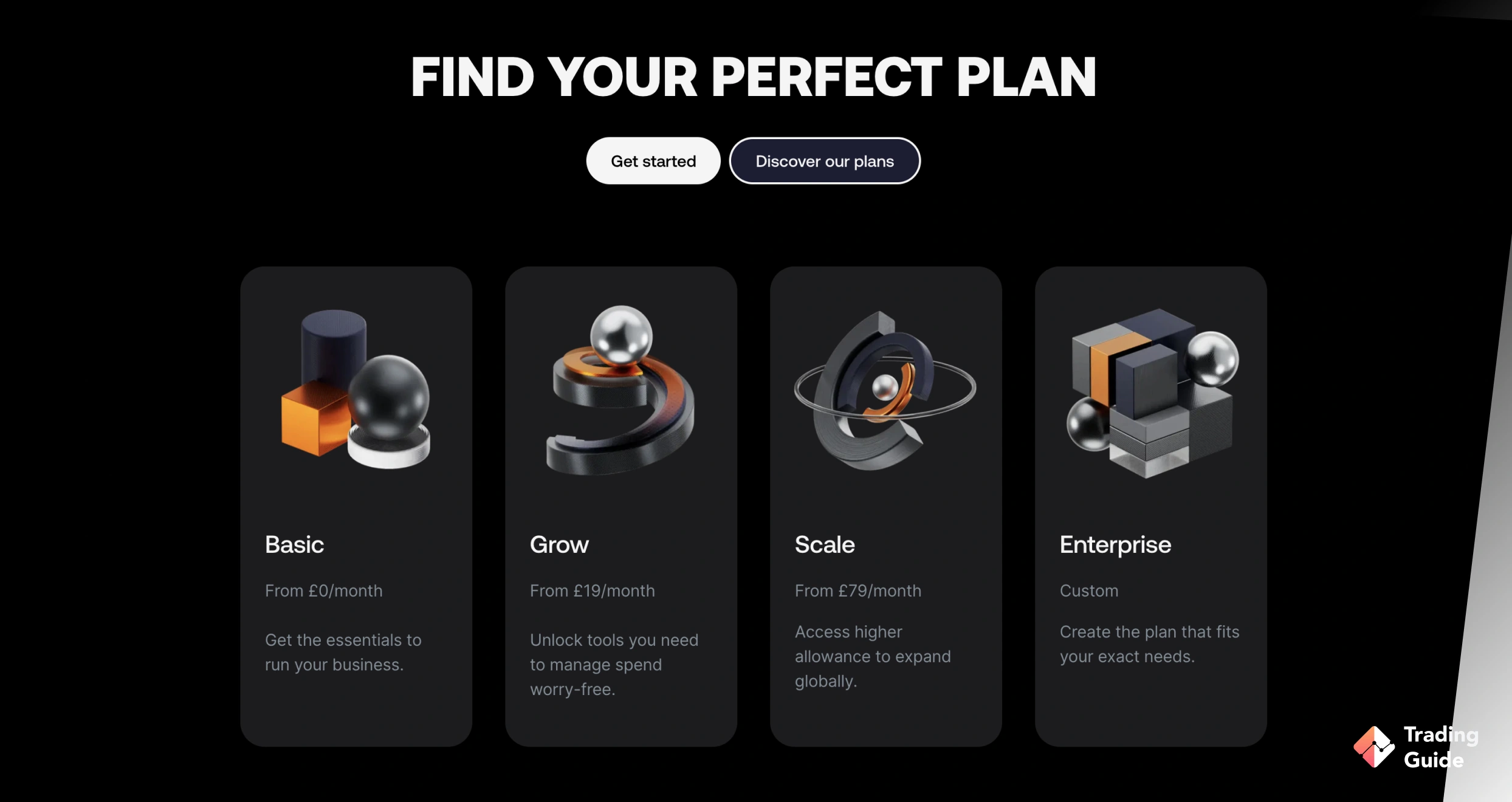
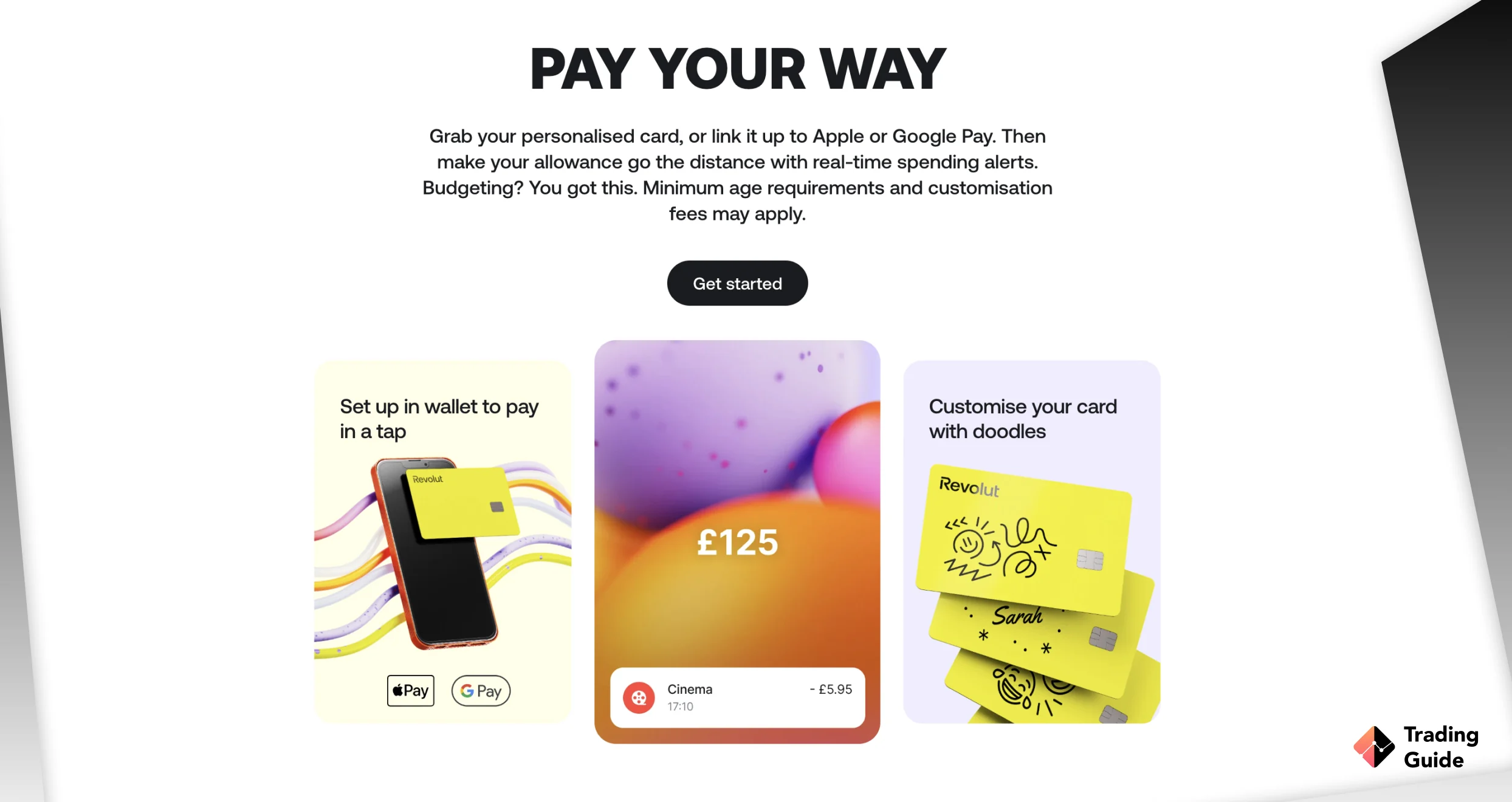
Revolut is often the closest match to Venmo in daily use. Users can send money instantly to other Revolut users, split bills, and manage group expenses in one app. Transfers inside Revolut are immediate and do not require bank details.
Revolut supports multiple currencies, which makes it popular for holidays, shared travel costs, and group trips. Unlike Venmo, it operates under UK and EU regulation, with clear rules on how customer money is held.
For beginners, Revolut offers speed and flexibility, though it lacks Venmo’s public social feed.
Monzo
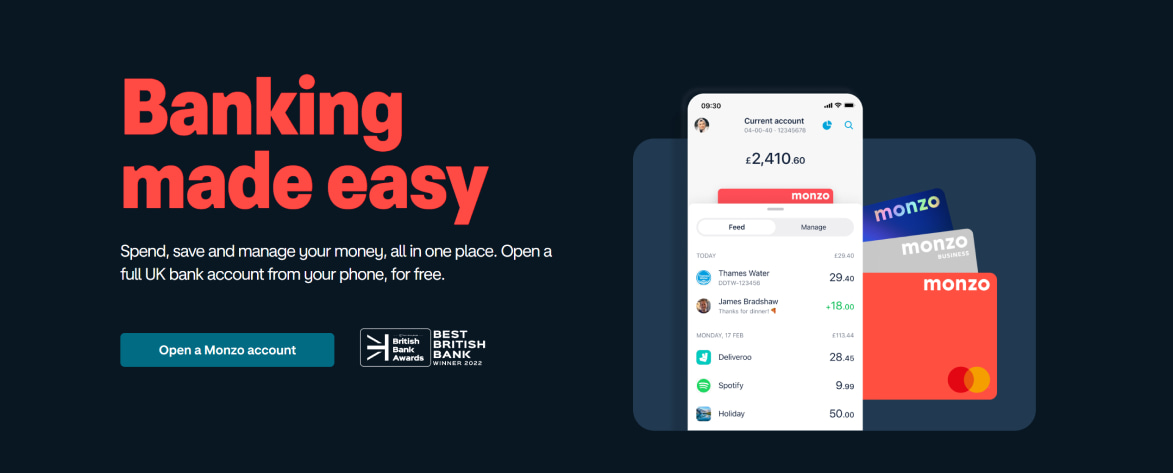
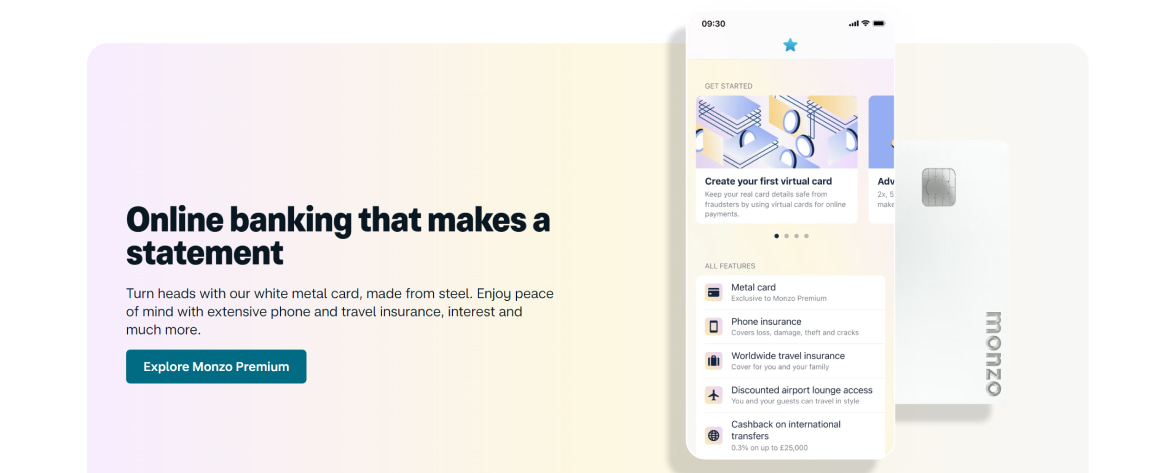
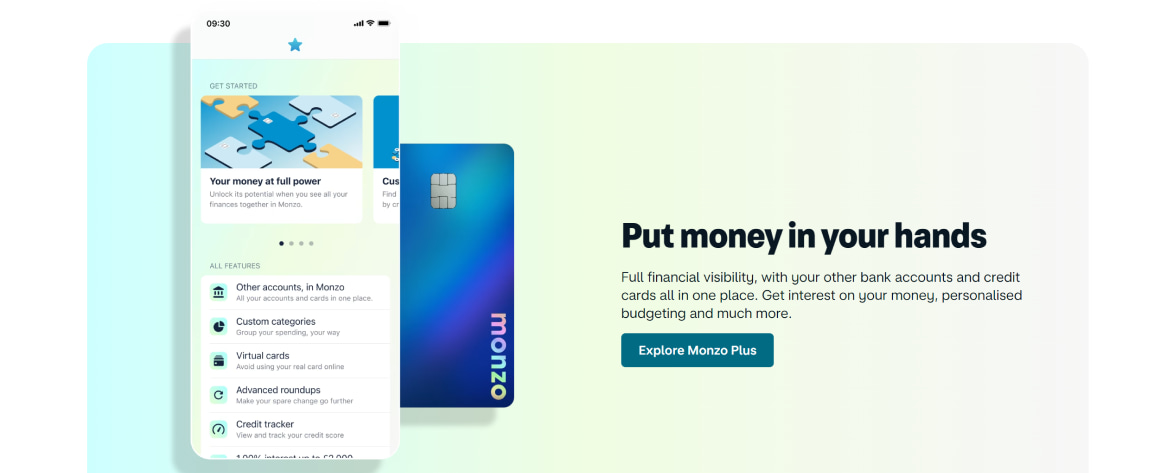

Monzo is a fully licensed UK bank, not just a payments app. Payments are sent directly from your current account using Faster Payments, so there is no separate wallet to manage and no delay between sending and receiving money.
The app includes built-in bill splitting and shared tabs, which work well for meals, weekends away, and shared household costs. Clear notifications and spending summaries make it easy to see who owes what, without chasing people for payments.
Because Monzo is a bank, eligible deposits are protected under UK rules. That structure appeals to users who want everyday convenience without giving up security. Those comparing digital banks often look at how Monzo stacks up against similar apps, especially in terms of features and fees. A closer look at a Monzo vs Revolut comparison helps explain where each one fits best.
Starling Bank


Starling Bank takes a quieter and more practical approach. Payments are fast and reliable, but the app avoids social features. Instead, it focuses on tools like “Settle Up”, which lets users split card payments after spending.
Starling suits people who prefer clear records and minimal distractions. It is often used for shared meals, trips, and everyday expenses without public visibility.
Starling is also a fully regulated UK bank with strong consumer protections.
NatWest


NatWest offers a more traditional route to Venmo-style payments. Through its mobile banking app, users can send instant payments using Faster Payments and request money from others.
NatWest supports Paym, which allows payments using a mobile number rather than bank details. While it does not focus on bill-splitting tools, it works well for straightforward transfers between friends and family.
For many people, NatWest already provides what they expect from Venmo, built into their existing bank account.
PayPal


PayPal works in the UK and allows person-to-person payments. Many users already have accounts, which makes it familiar and easy to access, especially when sending money to people who do not use the same banking app.
However, PayPal operates differently from bank-based payment apps. Money often sits inside a PayPal balance rather than moving straight to your bank account, and fees may apply depending on how payments are funded or withdrawn.
Because of this, PayPal is usually treated as a backup option rather than a daily Venmo replacement. It is commonly used for occasional transfers, online payments, or situations where bank transfers are not practical. For users who want to understand where PayPal fits within the wider payments landscape, it is often discussed alongside other services that accept it as a funding method, including platforms that support PayPal payments.
Wise


Wise is designed mainly for international transfers, not casual local payments. It offers low fees, transparent exchange rates, and local account details in several countries.
Wise is most useful when money moves across borders or between currencies. It is less practical for splitting a local dinner bill, but strong for shared costs between people in different countries.
Together, these services cover nearly all situations where UK users might expect Venmo to work. The tools already exist. They are simply built into the UK banking system.
How UK Payment Apps Differ From Venmo
The most noticeable difference is privacy. UK payment apps do not show public feeds of who paid whom. Payments are private by default, reflecting local attitudes toward money.
Another key difference is protection. UK banks and regulated payment firms follow Financial Conduct Authority rules. Eligible deposits are protected up to £85,000 under the Financial Services Compensation Scheme. Venmo balances do not offer the same structure.
For beginners, this means fewer social features, but stronger safeguards if something goes wrong.
Are These Services Free To Use?
Most UK Venmo alternatives are free for domestic payments between users.
Fees may apply for premium subscriptions, international transfers, or card use abroad. Sending money to a friend in the UK is usually instant and free.
This is one reason Venmo never became essential in Britain. The main benefit already exists without extra apps.
Do Venmo Alternatives Affect UK Tax?
Sending money between friends for personal reasons does not usually create a tax issue.
Tax only becomes relevant when payments relate to income, business activity, or shared profits. The app itself does not matter. HMRC focuses on why money was received, not how.
Digital payments simply create clearer records.
Safety And Regulation In The UK
Most UK Venmo alternatives operate under FCA regulation. This includes identity checks, fraud monitoring, and clear complaint processes.
Venmo operates under a different US framework. UK users benefit from local protections that reduce the risk of frozen funds or unresolved disputes.
For cautious users, this structure offers reassurance.
Why Most UK Beginners Do Not Need Venmo
Venmo feels essential in the US because it fixes a slow banking system. In the UK, that system already works well.
Between Faster Payments and modern banking apps, most people already have Venmo-style features. The challenge is understanding which app fits which situation.
Once that becomes clear, Venmo’s absence stops feeling like a disadvantage.
FAQs
No. Venmo requires US residency, a US bank account, and a US mobile number. UK residents cannot use it for domestic payments.
Digital banks with instant transfers and built-in bill-splitting tools come closest. They offer the same practical function without public payment feeds.
They operate under UK regulation and follow local consumer protection rules. For many users, this provides greater reassurance for everyday payments.
No, not by itself. Tax depends on why money is received, not which app is used. Personal transfers remain personal under UK tax rules.
Final Thoughts
Venmo is not available in the UK, and it is unlikely to launch. That is not a problem.
Britain built a different system, shaped by faster payments and stronger regulation. For UK beginners, the best Venmo UK alternative is often the app linked to their current account. It may feel less social, but it is faster, safer, and better aligned with local rules.
The tools are already there. They simply work in a quieter way.