



For many first-time investors in the UK, buying shares in familiar companies like Lloyds or BP may seem straightforward: pay the price, hold the shares, and watch their value fluctuate. But there’s another way to gain from rising markets without owning the shares outright, through call options.
Call options give you the right, but not the obligation, to buy a stock at a set price within a specific timeframe. They’re used to speculate, hedge, or take larger positions with less capital. While they offer potential, they also carry risks that need to be clearly understood.
This guide breaks down how call options work, why UK investors use them, and what beginners should know before getting started.
What is a Call Option?

A call option is a financial contract that gives you the right, but not the obligation, to buy a specific share at an agreed price (called the strike price) within a set period. You don’t own the shares unless you actively decide to use the option, unlike a typical share purchase.
Think of it as paying a small deposit to reserve something at today’s price. If the market price rises above the strike price before the option expires, the contract’s value increases. You may choose to buy the shares at the agreed-upon price or sell the option if its value increases. If the price stays below the strike price, you let the option expire and lose only the premium you paid.
Many investors use call options to benefit from rising share prices without having to immediately purchase the shares. They’re also used as part of broader strategies to reduce or manage market risk.
How Do Call Options Work?
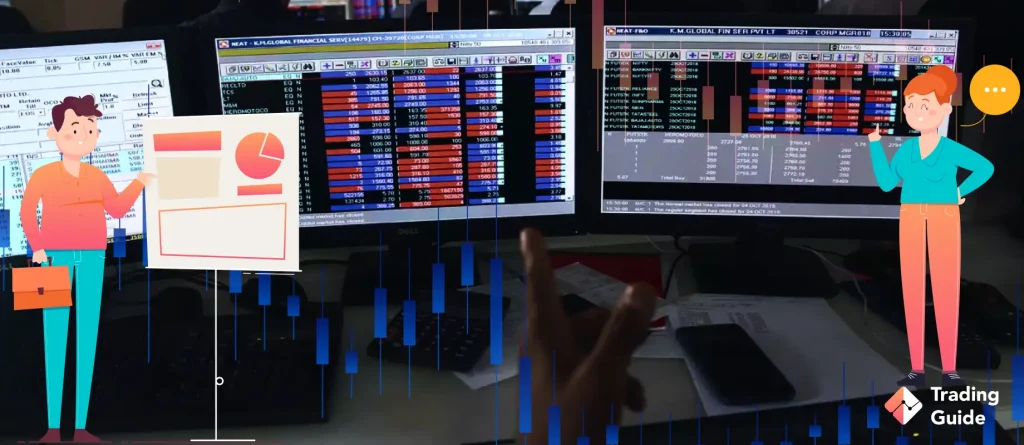
A typical call option has four key elements:
- Strike price: The price at which you can buy the shares
- Premium: The upfront cost of the option
- Expiration date: The deadline to act on the contract
- Underlying asset: The specific share linked to the option (e.g. Vodafone or Tesco)
Example:
Suppose you expect the price of Barclays shares to rise. You buy a call option with a £1.60 strike price while the shares are trading at £1.50. If they climb to £1.80, your choice allows you to buy at £1.60 and potentially profit. If they remain below £1.60, the option expires worthless. Your loss is limited to the premium paid.
This defined risk is one reason call options appeal to investors testing short-term market moves.
What is a Call in Stocks?
When someone says they’ve “bought a call” on a stock, they’ve purchased a call option. It’s a way to speculate on price rises without buying the shares immediately.
The word ‘call’ reflects your right to buy the shares at a fixed price agreed in advance. If the share rises above that level, the option gains value. If it doesn’t, you can walk away at a limited cost.
In the UK, investors use call options to:
- Take a position on rising prices with less upfront capital
- Gain leveraged exposure to larger trades
- Hedge other investments, such as short positions
Once limited to experienced traders, call options are now accessible to retail investors through FCA-regulated platforms. As availability grows, understanding how they work is becoming a useful skill for beginners entering the market.
Brokers For Trading Call Options
If you’re based in the UK and interested in trading call options, it’s important to know that not all platforms offer access to these products. Options are classed as derivatives, which means they carry higher risk and complexity. As a result, only certain brokers provide access, and most will require a short assessment or a declaration of trading experience before you can get started.
Below are two FCA-regulated brokers that support call options trading and are commonly used by UK investors:
IG Markets
IG Markets is one of the most established names in the UK trading space. It offers a wide range of derivatives, including options on UK, US, and global shares. With IG, you can trade listed options as well as options on indices and forex.
IG is best suited to investors who are serious about options trading and want access to professional-grade tools.
Your capital is at risk

✔ Leading broker with low fees




- Long-standing reputation and strong regulatory track record
- Wide selection of markets and asset classes
- Advanced charting and research tools
- Supports both web and mobile trading
- The platform may feel complex for beginners
- Inactivity fees apply after periods of no trading
- Requires a higher initial deposit than some competitors
Plus500

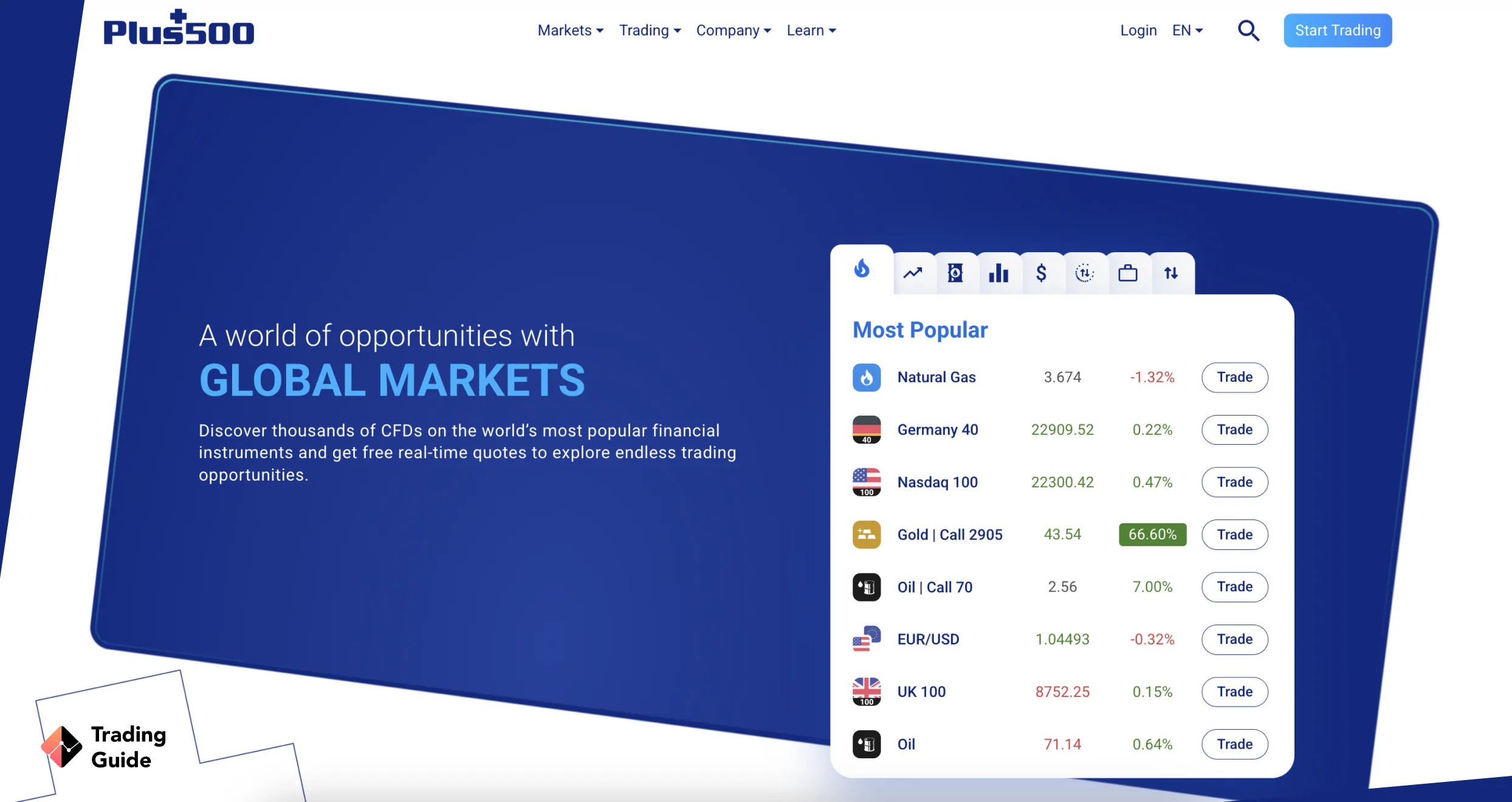
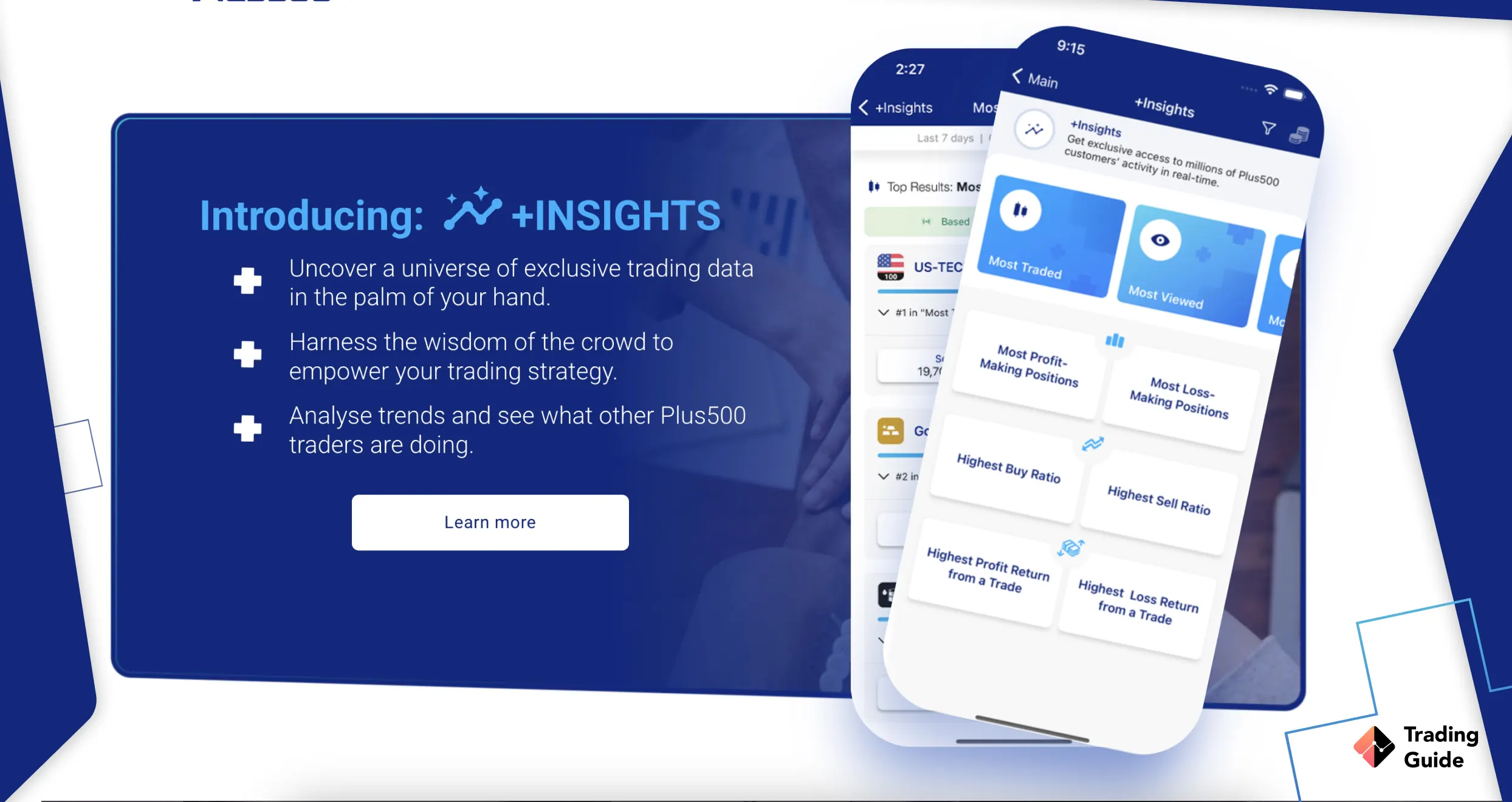
Plus500 offers a simplified route into options trading by using contracts for difference (CFDs) on options rather than listed options themselves. This allows UK users to speculate on the price of call or put options without dealing with exercise or expiry in the traditional sense.

✔ Regulated in many countries
Note: 76% of retail investor accounts lose money when trading CFDs with this provider. You should consider whether you can afford to take the high risk of losing your money.
- User-friendly interface designed for beginners
- Low minimum deposit to get started
- Commission-free trading (spreads apply)
- FCA-regulated with negative balance protection
- You don’t own the option contract itself, only a CFD
- Limited tools for in-depth options strategies
- Less suited for complex or institutional-style trading
Plus500 is ideal for retail investors who are exploring options trading for the first time and prefer a simplified experience.
Before choosing any broker, it’s essential to check the specific terms around margin, fees, and the types of options available. Some platforms offer direct access to regulated exchanges, while others provide more streamlined products that are easier to manage but come with their trade-offs.
Long vs. Short Call Options
Most beginners encounter call options as buyers. This is known as taking a long position. However, options are contracts between two parties, so for every buyer, there is also a seller. Understanding both roles is key to grasping how options behave in real market conditions.
Long Call
A long call involves purchasing the right to buy a share at a fixed price during a specific time frame, in exchange for a premium. You only exercise the option if the share price rises above that level. If it doesn’t, you let it expire and lose only the premium.
This approach is popular with investors looking to benefit from rising prices without buying the shares outright or risking large sums.
Short Call
A short call involves selling a call option to another investor. You collect the premium upfront, but if the share price climbs above the strike price, you may have to sell at a loss. This makes it a higher-risk position.
In the UK, selling uncovered calls is often restricted for retail traders unless you already hold the shares or have sufficient experience, due to the potential for significant losses.
Pros and Cons of Call Options
Call options can offer flexibility and potential rewards, but they also introduce complexities that may not be suitable for every investor. Below is a summary of the main benefits and limitations of using call options.
- Leverage: Call options let you gain exposure to share price movements with a smaller upfront investment than buying shares directly.
- Limited downside for buyers: As a buyer, your losses are capped at the premium paid, making risk more manageable.
- Strategic uses: Options can support a range of strategies, from speculative trading to risk management and income generation.
- Higher potential returns: A well-timed call option can outperform traditional share investments on a percentage basis.
- Complexity: Pricing involves multiple variables, including volatility and time value, which can make options less intuitive than shares.
- Expiry risk: Options lose value as the expiry date nears. Timing plays a critical role in whether a trade becomes profitable.
- Liquidity concerns: Some options may be harder to trade, especially on less popular shares, which can affect pricing.
- Unlimited risk for sellers: If you sell call options without owning the underlying shares, losses can be considerable if the price rises sharply.
For UK investors, it’s also important to note that call options fall outside of tax-advantaged accounts like ISAs. They are treated as higher-risk instruments and should only be used with a clear understanding of the mechanics and potential outcomes.
Learn about best options trading platforms in the UK in our other comprehensive guide.
FAQs
Yes. You’ll need a regulated UK broker that offers options trading. Most will ask you to complete a short assessment before granting access.
When the market price stays under the strike price by the expiry date, the option holds no value. You won’t owe anything further, but you will lose the premium paid.
Not when buying. Your loss is limited to the premium. But selling options without owning the shares carries much higher risk, and losses can exceed your initial outlay. Most brokers restrict this.
No. Options trading isn’t permitted in Stocks and Shares ISAs. If you want to trade options, you’ll need a standard taxable account.
Conclusion
For UK investors seeking more than passive shareholding, call options offer a way to take positions with less upfront capital and greater strategic flexibility.
They are not a shortcut to quick returns. Timing, risk awareness, and a clear grasp of how the contracts work are essential. Without that, losses can come quickly.
Used with care, call options can be a valuable addition to your investment approach, but they require the same discipline as any sound financial decision.
Related Articles:


25,000 hours of testing 60+ brokers. Our recommended broker is eToro.
Our recommended broker is eToro.