Plus500 has been one of the best CFD brokers globally since 2008. The broker offers a wide range of online CFDs on forex, shares, commodities, and more!
Claire Maumo, a financial writer at TradingGuide, specialises in personal finance, forex, cryptocurrencies, and contemporary assets like NFTs. With a strategic mindset, she provides expert insights to empower readers in wealth creation and trading.
Fact checked
All content marked as Fact-Checked is reviewed to meet the highest standards of accuracy, relevance, and timeliness. Our editorial team verifies key facts, data, and claims against reliable, authoritative sources and regularly updates articles to reflect the latest information.
A delayed bank transfer on the day you want to act on a market move can cost you a trade. That is one reason credit card deposits have become one of the most popular funding methods among UK traders. Fast, familiar, and available on virtually every device. But how do you identify the best credit card brokers in the UK?
I analysed over 15 FCA-regulated brokers that accept credit card deposits. I spent real money on seven of them, funding their accounts and evaluating what each one actually offers beyond the deposit page. This guide shares my findings after weeks of broker testing and comparisons.
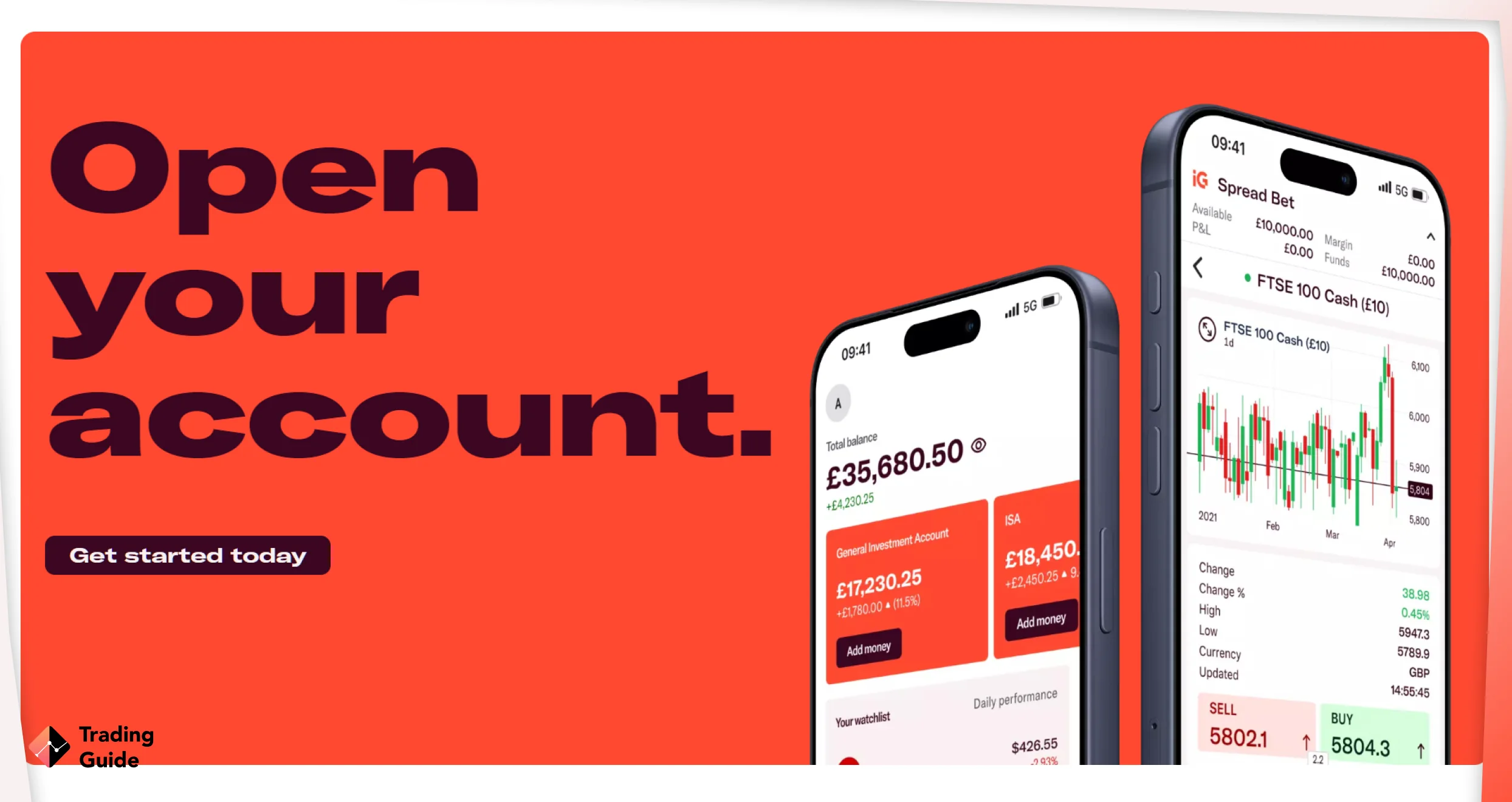
IG Markets – Top Option for Cryptocurrency Investment
*76% of CFD retail accounts lose money
Note: CFD trading carries significant risk due to leverage. A large proportion of retail accounts lose money. Consider whether you fully understand how leveraged products work before depositing.
In this guide
Best Credit Card Brokers in the UK
Compare UK Brokers that Accept Credit Cards
My evaluation started with a question I ask every time I assess a broker. Who is actually protecting the client? FCA authorisation was the non-negotiable baseline. From there, I examined whether credit card deposits were genuinely supported or quietly buried behind other payment options.
I opened accounts and funded them with a total of £2,000 across all seven brokers using credit cards. £200 at Plus500, £250 at FxPro, £200 at eToro, £500 at Pepperstone, £150 at Spreadex, £400 at IG Markets, and £300 at XTB. I noted how quickly credit card deposits were credited, what limits applied, and whether any fees were charged at the point of deposit.
Beyond funding, I traded across multiple sessions, tested each platform’s mobile experience, contacted support teams, and reviewed patterns in user feedback on Trustpilot and the App Store. Claims about slow withdrawals, hidden fees, or platform issues were taken seriously and tested directly.
Everything below reflects live account experience, not website claims.
Online platform, Trading apps, ProRealTime, MT4, L2 Dealer, TradingView, US options and futures
Credit/debit cards, bank transfer, PayPal
Yes
Yes (up to £85,000 by FSCS)
1. Plus500 – Top Option for Mobile Trading
*Illustrative prices
I deposited £200 at Plus500 via credit card, and the funds appeared in my account within minutes. The mobile app is where this broker genuinely earns its place on the list. Its interface is clean and quick to navigate, order placement takes a matter of seconds, and the chart tools are well-suited to traders who prefer simplicity over feature density. No wonder Plus500’s app receives excellent reviews and ratings from users on Google Play, the App Store, and Trustpilot.
Over 2,800 CFD instruments are available, including 60+ currency pairs, shares, indices, and commodities, all with no commissions. Costs come through the spread (from 0.0 pips) and overnight funding. You will also incur a £10 monthly inactivity fee should your account remain dormant for three months. When it comes to credit card withdrawals, mine arrived the same day. Sadly, Plus500 doesn’t give access to MT4 or MT5 platforms.
1
Plus500 Review
TradingGuides Rating:
✔ Educational materials
✔ Regulated in many countries
A user-friendly and customisable trading app with excellent user reviews
Guaranteed stop-loss orders available
No commission on 2,800+ instruments
£50 minimum deposit requirement
Cons
No MT4 or MT5 support
CFD only. No physical asset ownership
Type
Fee
Overnight Funding
yes
Currency Conversion Fee
0.7%
Guaranteed Stop Order
spread applies
Inactivity Fee
$10 per month
Withdrawls/Deposits
$0
Plus500 provides access to 2800+ CFDs across a wide range of different asset classes, including: Indices – Country and Sector, Forex, Commodities, Individual shares, ETFs, Options
Risk Warning: 76% of retail investor accounts lose money when trading CFDs with this provider. You should consider whether you can afford to take the high risk of losing your money.
2. eToro - Beginner-Friendly
I deposited £200 into my eToro account via credit card and was placing trades within twenty minutes of completing verification. The onboarding process is the smoothest of any broker I tested here. For complete beginners, the copy trading feature removes the pressure of making every decision independently. You can filter top traders by asset class, risk score, and performance history, then mirror their positions automatically.
Real share ownership is available alongside CFDs, which is a genuine distinction. Overall, eToro lists 10,000+ assets, including forex, shares, commodities, indices, and more. On Trustpilot, the £5 withdrawal fee from USD accounts comes up regularly, and I confirmed it applies. Forex spreads start from 1 pip, which is wider than the raw-spread options on this list. The best part is that the broker only requires £50 to get started.
1
eToro Review
TradingGuides Rating:
✔Copy/Social trading
✔Low minimum to fund an account and begin investing
Forex spreads from 1 pip are higher than raw-spread competitors
£5 withdrawal fee from USD investment accounts
Types
Fee
Minimum Deposit
$50
Conversion Fee
depends on your payment method, currency, and eToro Club level.
Overnight Fee
vary according to the value and direction (BUY or SELL) of your position
Withdrawal Fee
all withdrawal requests are subject to a $5 USD fee
Inactivity Fee
monthly inactivity fee of $10 USD (charged after 12 months)
Stocks – there are more than 6000 stocks offered ranging from the biggest tech businesses in the U.S. to smaller companies from all over the world. Stock trading is always commission-free with eToro.
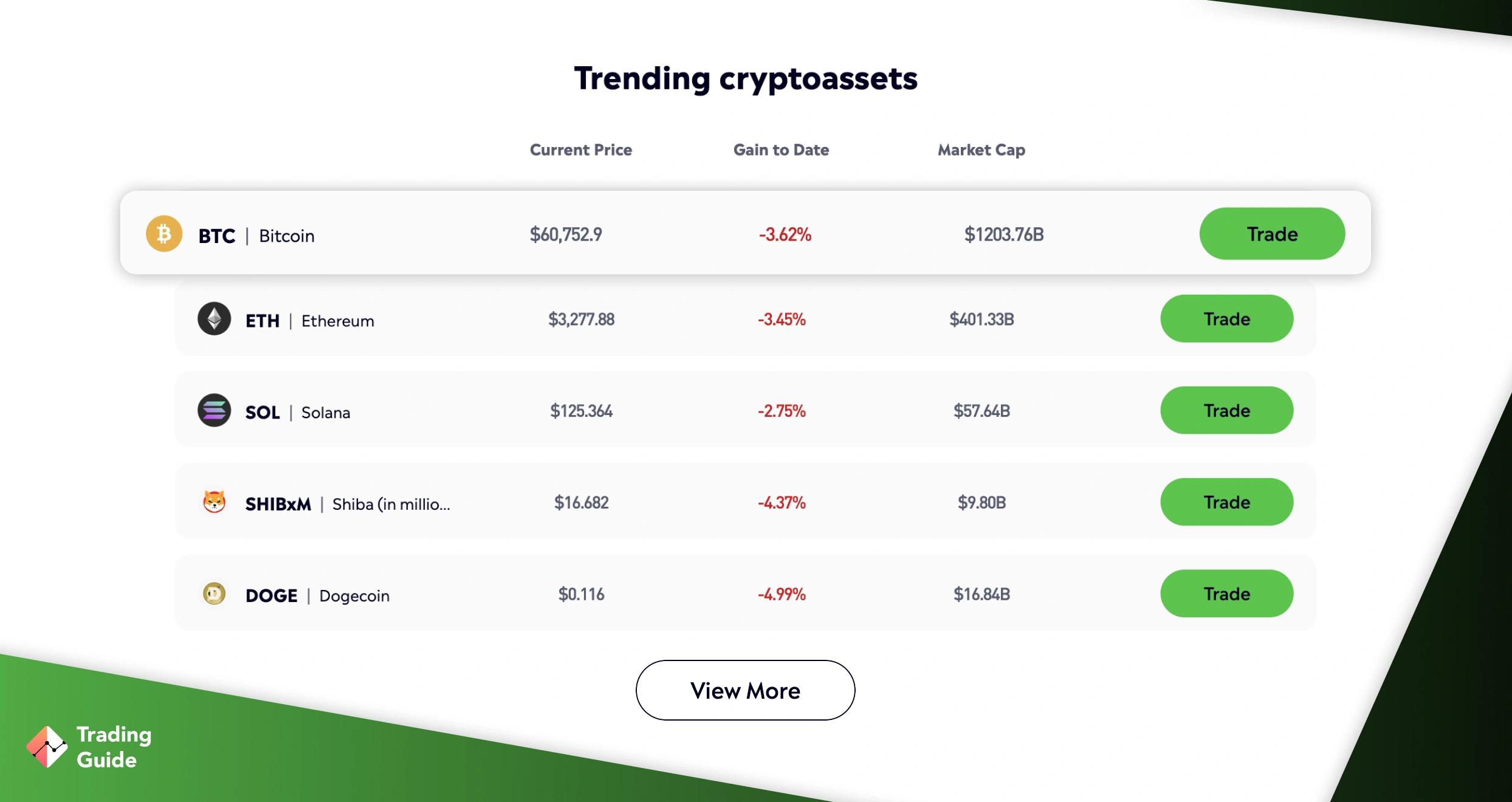
Cryptocurrencies – being one of the first brokers to jump on the cryptocurrency bandwagon, it comes as no surprise that eToro dominates this segment. With more than 20 coins and a number of cryptocurrency pairs, there is enough for all crypto traders.
Currency Pairs – in the early days, eToro was just another FX broker and even though they’ve developed since, the broker has stayed true to its roots. As a trader, you can choose between 56 currency pairs ranging from majors and minors to a few exotic ones.
Long-Term Investments– unlike many online brokers, eToro is also suitable for long-term investments. For example, their investment portfolios are a great way to diversify your portfolio and limit risk.
Additional assets – in addition to the above, eToro provides access to commodities, indices, and ETFs as CFDs. There is also a range of unique assets such as Crypto Portfolios that are only offered by eToro. This means that you can create a diverse portfolio with ease.
3. Pepperstone - Leading Provider For ETF Trading
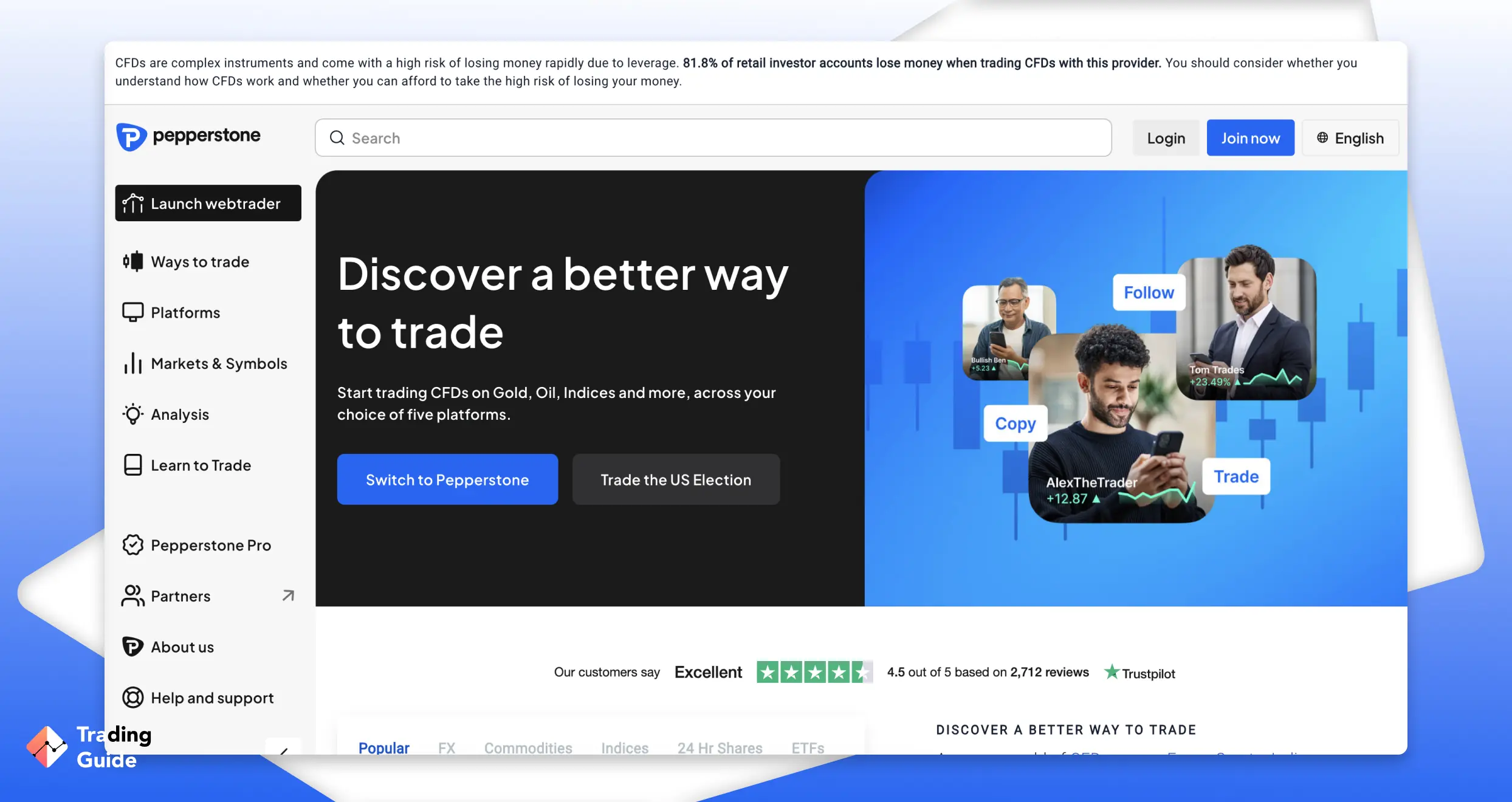
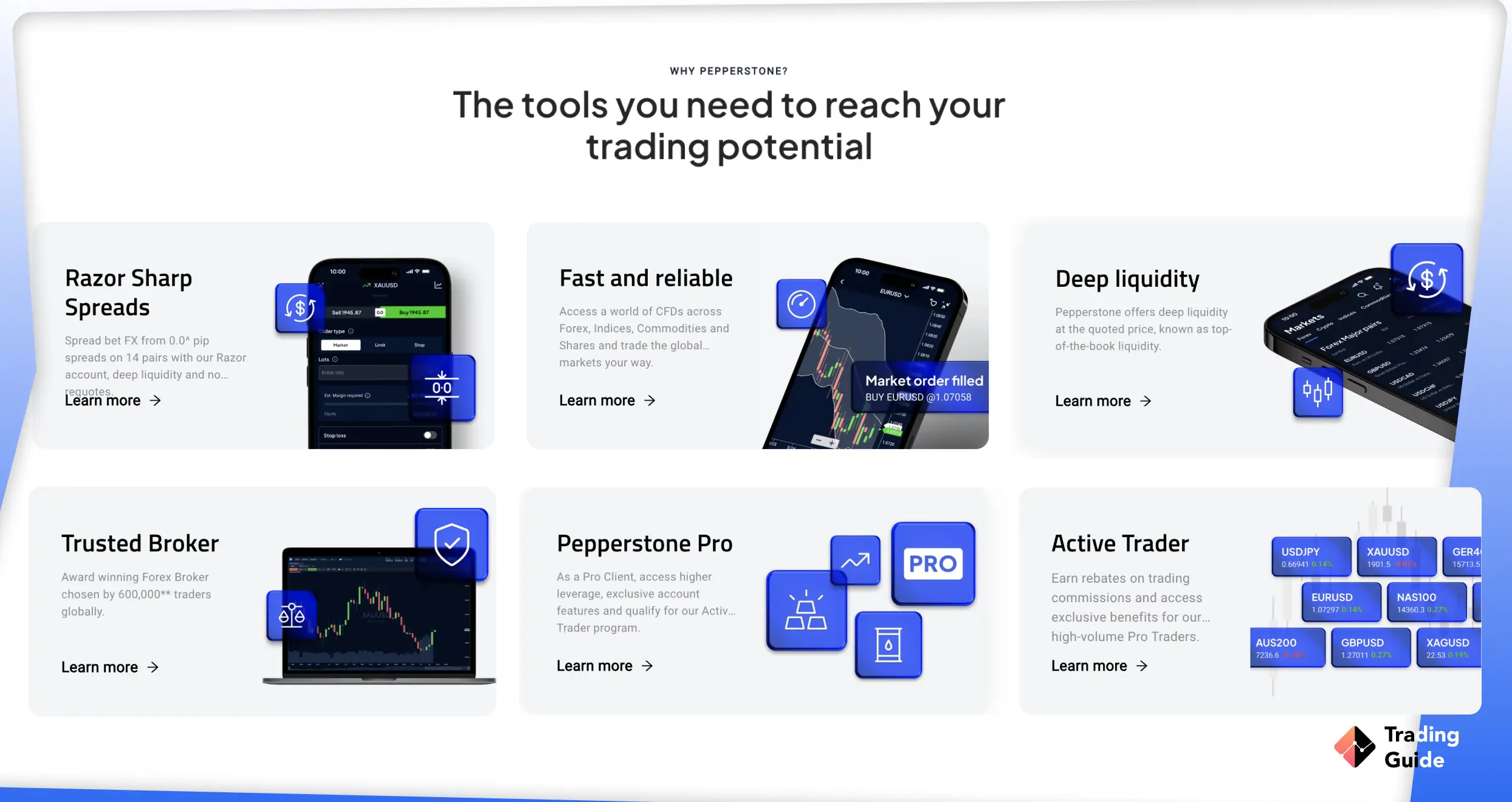
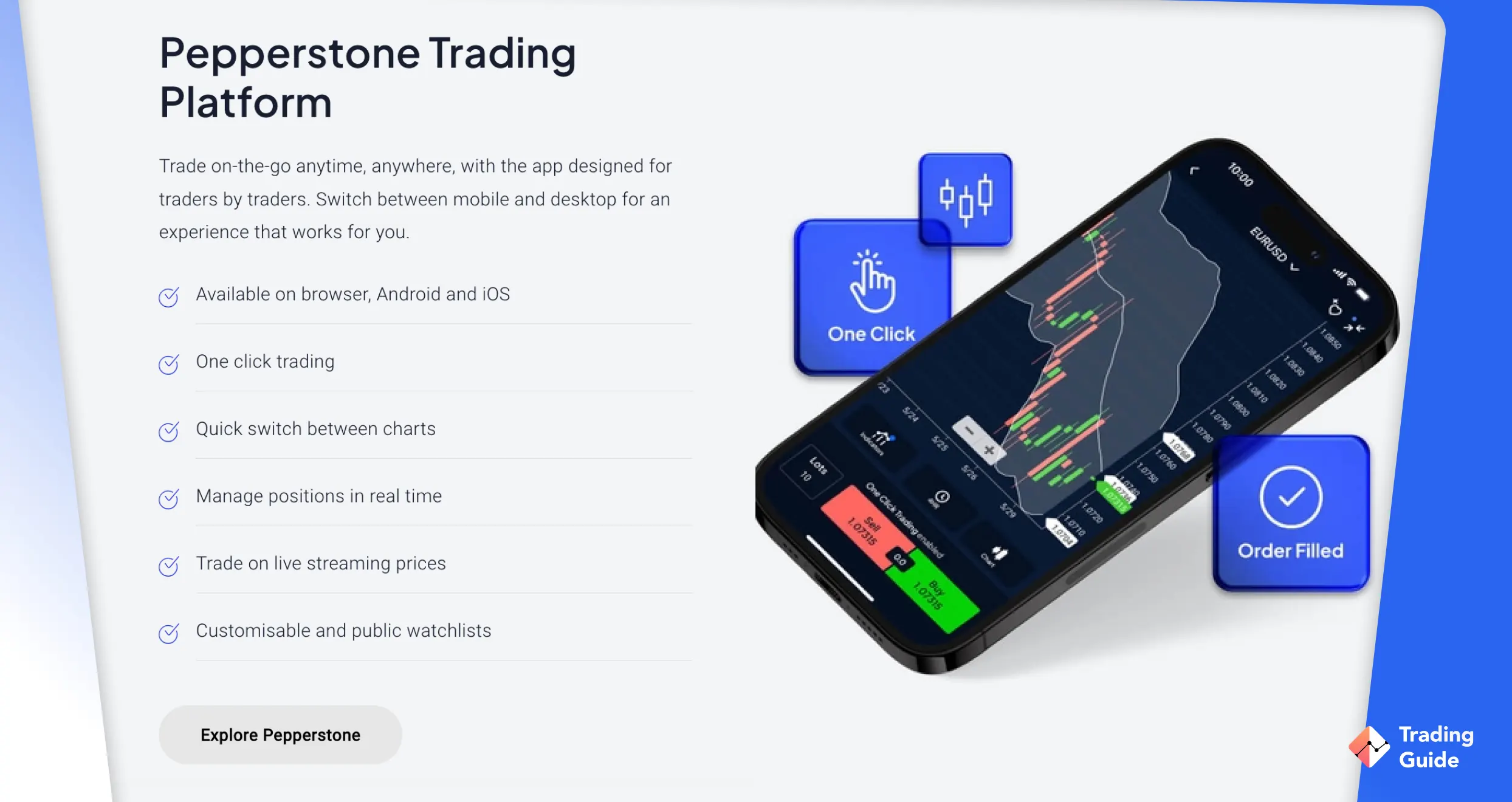
I deposited £500 at Pepperstone via credit card, and it reflected on my account immediately. My goal was to test and analyse its platform flexibility and features, and I ended up liking it for ETF trading. The broker lists 100+ ETFs that track the performance of sectors including mining, energy, technology, bond markets and retail. You can also trade an additional 2,700+ CFD and spread betting assets, with spreads from 0.0 pips on the Razor account.
I like that MT4, MT5, cTrader, and TradingView are all accessible from the same login, making strategy switching straightforward. ETF CFD trading comes with a low commission of £0.02 per share, per trade. Execution quality was consistent even through volatile periods.
On Trustpilot, I noticed some users flagging live chat delays during peak hours. I experienced it once, though phone support picked up quickly. Pepperstone has no minimum deposit requirement and no inactivity fee, making it a suitable choice for active and low-budget traders.
1
Pepperstone Review
TradingGuides Rating:
✔ Top tier liquidity ✔ No dealing desk intervention
Gives access to MT4, MT5, cTrader, and TradingView from one account
No minimum deposit and no inactivity fee
Spreads from 0.0 pips on Razor account
Cons
Limited Asset offerings compared to some of its peers
No physical ownership of ETFs or other assets
Type
Fee
Minimum Deposit
£10
Withdrawal fee
£0
Deposit fee
£0
Inactivity fee
No
Account fee
No
1,350+ instruments across FX, indices, cryptocurrencies*, equities, energy and commodities, and more, across three, free powerful platforms.
*Only Pro clients get access to cryptos (CFDs).
4. Spreadex - Top Option With Excellent Support Service
I deposited £150 at Spreadex and made a point of contacting support multiple times throughout testing, having seen consistently positive Trustpilot feedback about their team. I reached out via phone, email, and live chat. The phone was answered quickly on both occasions, email responses came back the same day, and the live chat agent resolved my query in under five minutes without escalating.
The spread betting and CFD trading platform is user-friendly and customisable. Spreads on major forex pairs start from 0.6 pips, and there is no minimum deposit requirement. Regarding asset offerings, Spreadex lists 10,000+ options across forex, indices, commodities, shares, and more. You can also trade on TradingView, known for hosting quality advanced resources. Sadly, no demo account is available, which beginners should factor in before signing up.
Responsive support across phone, email, and live chat
No minimum deposit requirement
Lists 10,000+ assets
Tight spreads from 0.6 pips
Cons
No demo account
No MetaTrader and cTrader platforms
Type
Fee
Minimum deposit
Free
Overnight fee
Yes
Deposit fee
Free
Withdrawal fee
Free
Inactivity fee
Free
Currently, there are 60+ forex pairs on offer, 25+ commodity CFDs and 1000 index and stock CFDs.
5. FxPro – Best for Automated Trading
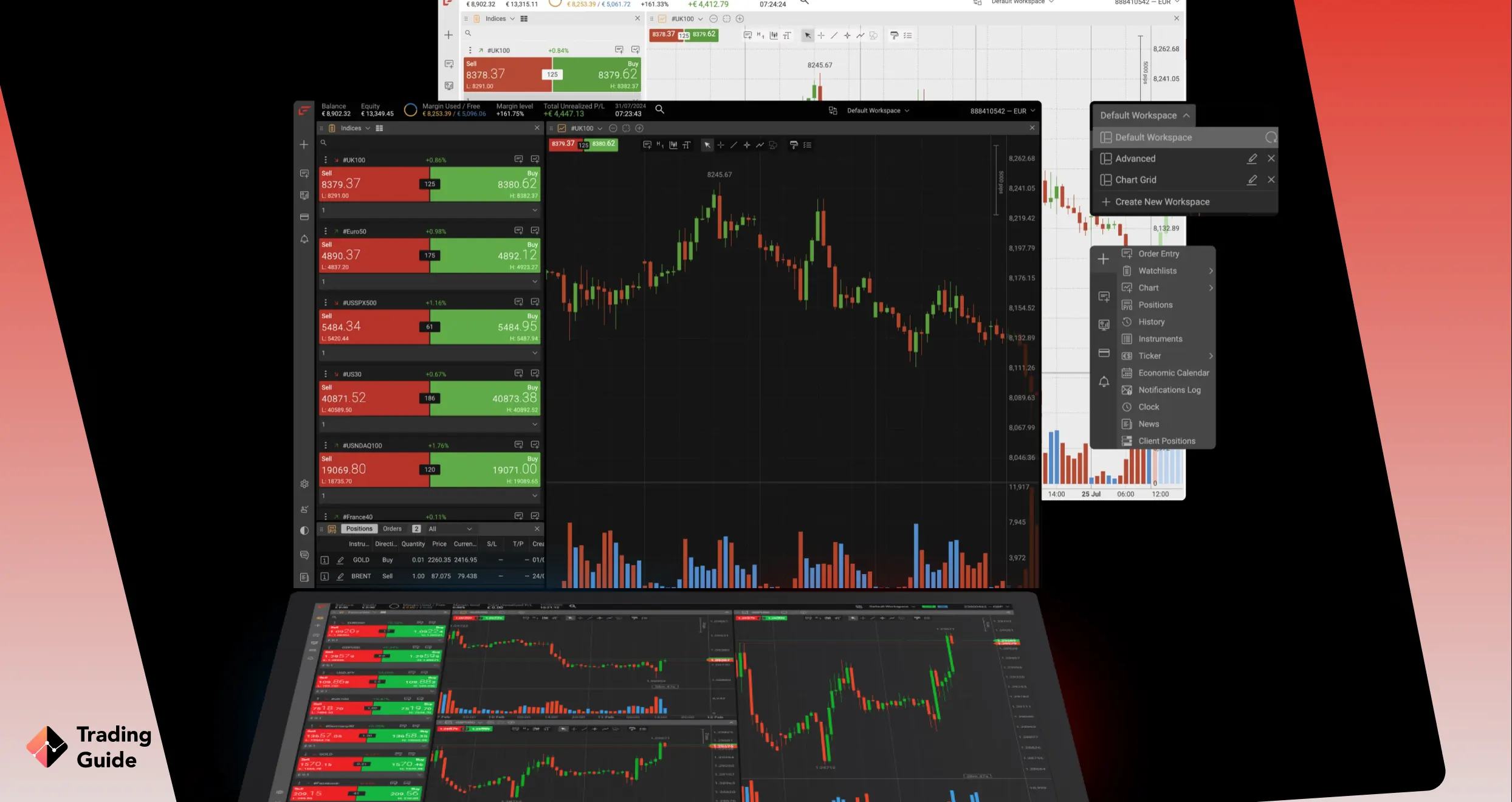
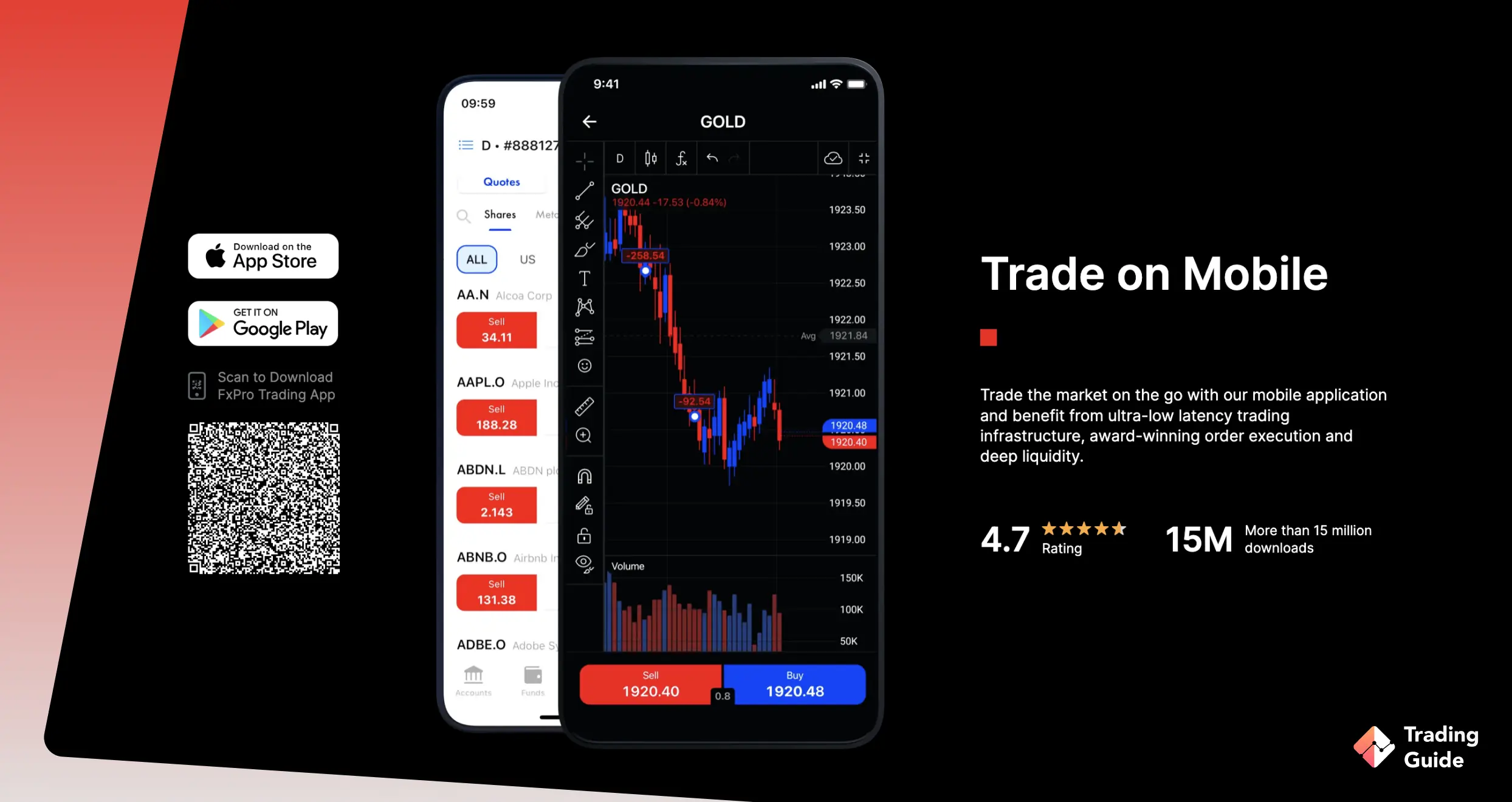
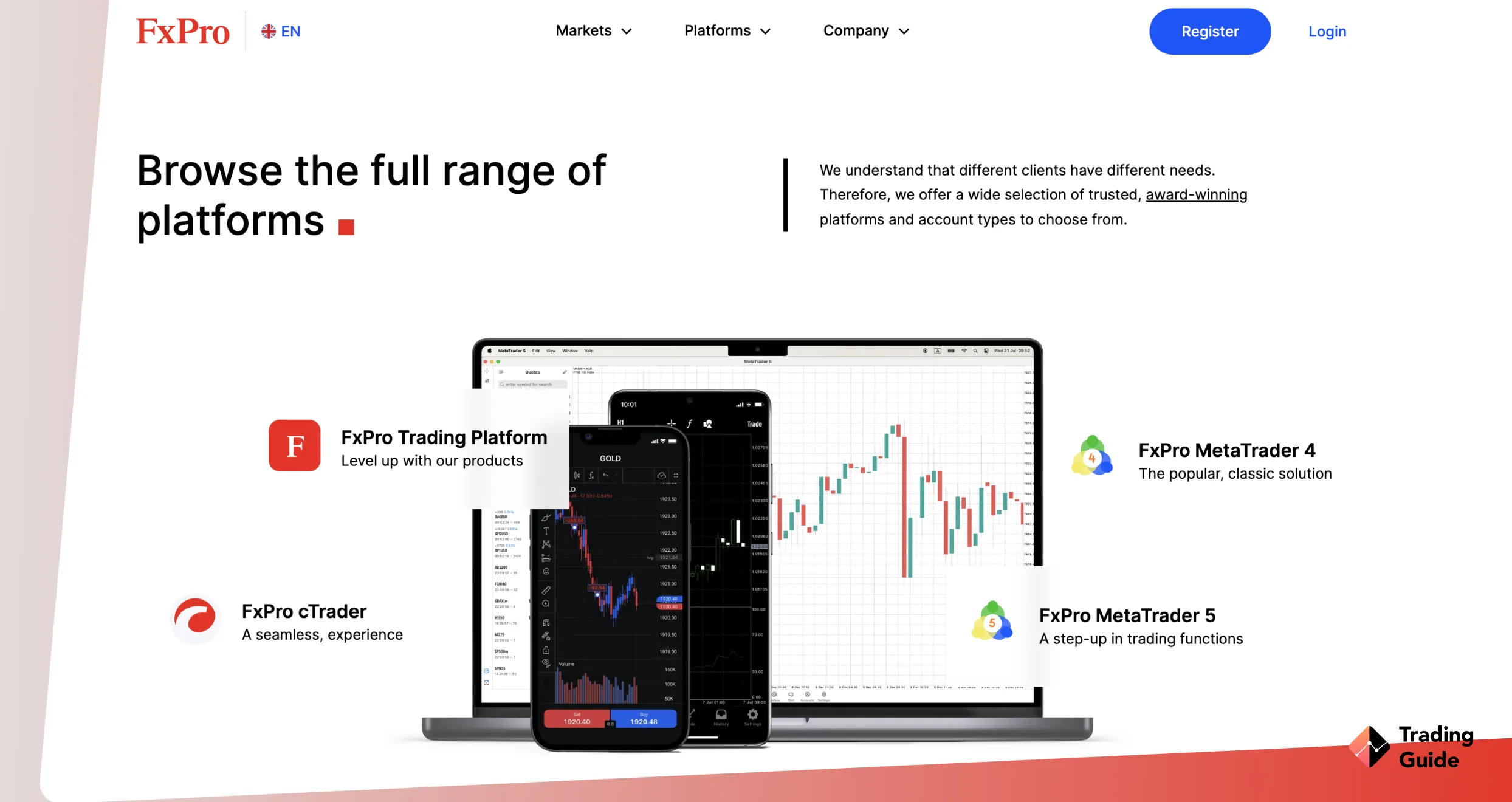
I funded my FxPro account with £250 via credit card, which cleared instantly. The automated trading capabilities here are the main reason this broker earns its category. MT4 and MT5 are both fully supported, which means Expert Advisors run without restriction. VPS access is available for strategies that require uninterrupted 24-hour execution. Beyond automation, FxPro offers cTrader and its own proprietary app from a single login, giving manual traders flexibility too.
There are 2,100+ CFD instruments listed on FxPro’s website, with spreads from 0.0 pips on Raw accounts. I checked Trustpilot specifically for complaints about EA functionality and deposit issues and found nothing of concern. However, a few complained about slow phone support. I called the team and experienced a 5-minute delay before connecting to a human. To me, this isn’t a concern, although I expected an instant response.
FxPro charges a one-time inactivity fee of £15, then £5 monthly after 6 months of no activity. This is worth knowing before opening an account.
Full EA support via MT4 and MT5 with VPS access available
Four platform options from a single account
Tight spreads from 0.0 pips on Raw accounts
Credit card deposits processed instantly
£100 minimum deposit requirement
Cons
Inactivity fee applies after 6 months
No physical asset purchases
Type
Fee
Minimum deposit
£100
Withdrawal fee
£0
Inactivity fee
£15 once + £5 monthly
FxPro offers traders a wide range of investment products, including 70 currency pairs, as well as over 2000 different stocks.
6. XTB - Best for Stock Investments
I deposited £300 at XTB via credit card, which cleared immediately. XTB’s stock offering stands out clearly among the brokers on this list. Commission-free share and ETF trading is available up to £100,000 per month, with a 0.2% fee applying beyond that threshold. Overall, XTB lists 6,700+ stocks across 14+ global markets and 2,000+ ETFs.
The xStation 5 platform is well-designed and genuinely pleasant to use, with heat maps, sentiment data, and advanced charting built in without cluttering the interface. A flexible Stocks and Shares ISA is available for UK clients, which also allows you to earn up to 4% on your returns without paying tax on them.
On Trustpilot, the inactivity fee of £10 monthly after 12 months without trading or deposits was mentioned by several users. I confirmed this is accurate. The broker doesn’t support MT4 or MT5, which limits its appeal for algorithmic traders.
1
XTB Review
TradingGuides Rating:
✔ Constantly improving trading platforms
✔ Wide range of global markets
CFDs and Options are complex instruments and come with a high risk of losing money rapidly due to leverage. 71% of retail investor accounts lose money when trading CFDs with this provider. You should consider whether you understand how CFDs and Options work and whether you can afford to take the high risk of losing your money.
Commission-free share and ETF trading up to £100,000 per month
Lists over 8,700 stocks and ETFs
Free Stocks and Shares ISA for UK clients
xStation 5 is one of the better-designed proprietary platforms tested
Cons
No MT4 or MT5 support
Inactivity fee of £10 per month after 12 months of no activity
Type
Fee
Opening an account
$0
Account type: Standard: spread
0.5
Account type: Swap Free: spread
0.7
Forex
From 0.1 pips
Stock CFDs commission
0%
ETF CFDs
0%
Crypto commission
From 0.22%
Monthly Fee for maintaining an Account
Free of charge or up to 10 EUR
Withdrawal fee
$0
Deposit fee
$0
The broker boasts a wide selection of tradable assets, consisting of 3,500+ instruments, including a range of global markets, such as forex, indices, commodities, ETFs, and others.
7. IG Markets - Top Option for Cryptocurrency Investment
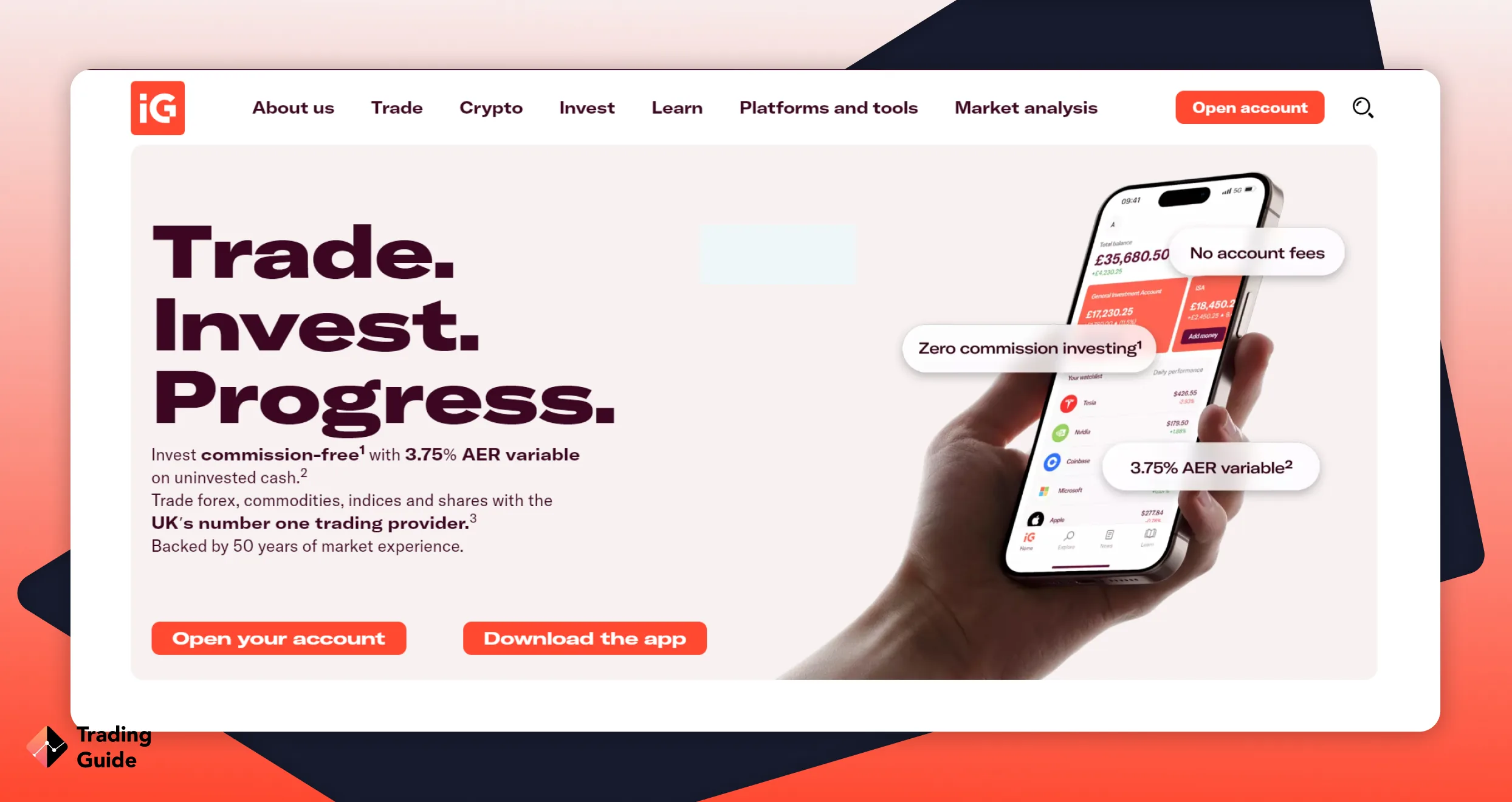
I reactivated my IG account and topped it up with £400 via credit card, which reflected within a few minutes. IG’s depth becomes apparent quickly once you look beyond the surface. Over 17,000 instruments are available, spanning shares, ETFs, cryptos, indices, forex, commodities, and more across both CFD and spread betting formats.
IG’s ProRealTime offers one of the most advanced charting environments available to retail traders in the UK. MT4, MT5, and the proprietary L2 Dealer platform are also accessible. The Stocks and Shares ISA and the Share Dealing account make IG a genuine long-term investing option alongside active trading. On Trustpilot, email support response times drew criticism, which I confirmed at around 8 hours in testing. IG is definitely a broker to try.
1
IG Markets Review
TradingGuides Rating:
✔ Extensive range of offerings ✔ Leading broker with low fees
17,000+ instruments across CFD, spread betting, and real investing
Offers ProRealTime and L2 Dealer for professional-grade analysis
Quality learning materials offered
No minimum deposit requirement
Cons
No cTrader platform for UK clients
Platform depth requires time to learn for newer traders
Type
Fee
Minimum account
£0
Opening an account
£0
Overnight funding
yes (depends on market)
Withdrawal fee
£0
Inactivity fee
None
Advanced graphs (ProRealTime)
£30 per months
Stocks– the majority of assets offered are stocks and there are a total of 11,000 international company shares to choose between. Trade everything from major UK and US corporations to penny stocks.
Forex – trade all the major, minor, and exotic currency pairs you want with a broker that has 45+ years of experience from the market. Also, enjoy competitive spread and fast execution.
Index – since IG’s main market is the stock market, it shouldn’t come as a surprise that it also offers a large variety of indices. Trade major North American, European, and Asian indices with a world leading online trading platform.
Commodities – you can also take positions on commodity futures and commodity spots. Trade precious metals such as silver and gold, food commodities such as coffee and corn, or energy commodities including natural gas.
Cryptocurrencies (not UK) – IG also offers cryptocurrency trading, although not in the UK due to local regulations that bans crypto trading.
Brief Overview of the Best Credit Card Brokers' Fees and Assets
Finding a broker you can afford and that lists your preferred assets guarantees an exciting experience. These tables summarise the costs and assets offered by the best credit card brokers UK for easy selection.
How to Choose the Right Trading Broker that Accepts Credit Cards
Confirm FCA authorisation: Before anything else, check the FCA Register. A broker that accepts credit cards but is not FCA-regulated offers you no meaningful protection. This step takes two minutes and should not be skipped.
Check deposit limits and fees: Some brokers impose a cap on how much you can deposit via credit card per transaction or per month. Others pass on a processing fee. Read the small print on the payments page before funding.
Match the platform to your strategy: A beginner funding a first account via credit card needs different things from an experienced trader running automated strategies. The broker you choose should suit how you actually trade, not just how quickly the deposit clears.
Look at the full cost structure: Credit card funding is fast, but the ongoing cost of trading matters more in the long run. Spreads, commissions, overnight financing, and withdrawal fees all affect your net returns over time.
Verify withdrawal options: Deposits via credit card are generally fast. Withdrawals are a different process. Some brokers require funds to be returned to the card used for the deposit up to the original amount. Understand the withdrawal route before putting money in.
Rules to Trade With Credit Cards in the UK
In the UK, it is legal to fund a trading account using a credit card, as long as the broker is FCA-regulated. However, there are a few important rules and considerations to note.
Brokers are required by the Financial Conduct Authority (FCA) to carry out affordability checks on retail clients. When you deposit using a credit card, it means you are effectively borrowing money to trade, which regulators view as an elevated risk. Some brokers are required to ask how you plan to fund repayments if losses occur.
In 2018, major UK credit card issuers, including Lloyds, Barclays, and Virgin Money, blocked transactions to cryptocurrency exchanges. Similar restrictions have since been applied by some issuers to certain trading platforms. Whether your card works for a given broker depends on your card issuer’s current policy, not just the broker’s payment page.
Credit card deposits used for trading cannot earn cashback or rewards points through most UK card providers, as such transactions are typically classified as cash advances. This means the standard purchase rate may not apply. Check with your card issuer before depositing.
Finally, using credit to fund leveraged trading adds a layer of financial risk that does not apply to debit card or bank transfer deposits. If the trade goes against you, the loss is still owed to your card issuer regardless of market outcome.
Pros & Cons of Trading with Credit Cards
Pros
Speed: Tap your card details in, and the money is usually sitting in your account within minutes. When a trade setup is there right now, waiting three days for a bank transfer is not an option.
Convenience: Cards are universally accepted, require no additional setup, and work across desktop and mobile without friction.
Chargeback option: In certain circumstances, credit card payments offer buyer protection that bank transfers do not. This can provide limited recourse in cases of fraud or broker insolvency.
Cash flow flexibility: The money leaves your bank account on your billing date, not the moment you deposit. That gives you a short window where your cash balance stays intact.
Cons
Borrowing to trade: Funding leveraged trading with borrowed money doubles the risk. You owe the card issuer regardless of how the trade performs.
Cash advance fees: Many card issuers classify broker deposits as cash advances, attracting higher interest rates from the day of the transaction, with no interest-free period.
Issuer restrictions: Some UK banks block trading platform deposits entirely or without warning. This can leave you unable to fund an account at a critical moment.
Withdrawal complications: Some brokers will return money to credit cards used for deposits before processing withdrawals via other methods. This can slow the process.
Alternatives To Credit Cards
Debit card: The most straightforward alternative. Deposits come directly from your bank balance with no interest implications. Most debit card deposits are processed as quickly as credit cards on brokers’ platforms.
Bank transfer: This is slower than debit/credit cards. Processing usually takes one to three business days, but there are no card processing fees and no issuer restrictions. Better suited to larger deposits where speed is less critical.
PayPal: Accepted by a growing number of UK brokers. Processes quickly and adds a layer of separation between your bank account and the broker. PayPal’s own buyer protection applies in some circumstances.
Skrill and Neteller: Electronic wallets widely used by traders for funding broker accounts. Both process deposits quickly and support GBP accounts. Some brokers charge a small fee for e-wallet deposits or exclude them from certain promotions.
Apple Pay and Google Pay: If you trade on your phone, these are worth knowing about. More UK brokers are accepting both now, and the experience is quick. You authenticate with Face ID or a fingerprint, and the deposit goes through without typing a card number into anything.
FAQs
Can you make a deposit into a trading account using a credit card in the UK?
Absolutely. Many FCA-regulated brokers accept credit card deposits, including major options like Visa and Mastercard. Whether your specific card issuer permits the transaction is a separate matter. Since some UK banks block gambling or financial trading deposits at the issuer level, it is worth checking with your card provider before attempting a deposit.
Are credit card deposits into trading accounts treated as cash advances?
Yes. Many UK card issuers classify payments to financial broker platforms as cash advances rather than purchases. This means a higher interest rate applies from the date of the transaction, with no interest-free period. The exact treatment depends on your card provider, so read the terms before funding this way.
Is it safe to enter credit card details on a broker's platform?
With FCA-regulated brokers, yes. Regulated firms are required to use encrypted connections and secure payment processing. Look for HTTPS in the browser address bar and confirm FCA authorisation on the register before entering any financial details.
Does using a credit card for trading affect your credit score?
It can, depending on how your card issuer classifies the transaction and how much of your available credit limit you use. High credit utilisation is a factor in most credit scoring models. Repeated cash advance transactions may also be viewed differently by some lenders.
Conclusion
A credit card for trading makes funding an account quick and easy, but that convenience has a price. Your card issuer may treat the deposit as a cash advance, interest starts from day one, and if the trade goes wrong, you still owe the money. I have seen traders overlook this completely and end up paying interest on losses. Before you go that route, weigh whether the speed is actually worth it against using a debit card or bank transfer instead.
That said, every broker on this list is regulated, has been tested with real money, and accepts credit card deposits without unnecessary friction. Pick the one that fits how you trade, not just how fast you want to deposit.
How we test?
Our test process is really based on two different aspects: our independent tests and research, as well as user reviews from Google Play, the App Store, and Trustpilot, etc.
The first thing we do when testing is to check every detail and test every tool and instrument. Our experts spend more than 200 hours on every article. We pay special attention to the specific function or the criteria that we’re comparing during the comparing stage. This means that we must determine which broker is more suited for beginners, and which is better suited for experts, for example.Find out more about our test process here.
{etoroCFDrisk}% of retail investor accounts lose money.
Adam Jarfjord
is our leading content maker and head of the content department. For Adam, trading is not only a job but also a passion for more than 5 years. He has many years of experience in the financial sector and honestly admits that he is in love with his job.
Claire Maumo is a personal finance expert and seasoned trader specialising in contemporary assets, forex, and cryptocurrency markets. A writer for TradingGuide, Claire combines expert analysis with practical advice to help readers achieve financial success. She is a private trading coach with a B.A. in Business Management, a Master’s in Finance, and a trusted industry voice. Follow her here at TradingGuide and learn how to build your wealth.
We may receive compensation from our partners for placement of their products or services, which helps to maintain our site. We may also receive compensation if you click on certain links posted on our site. While compensation arrangements may affect the order, position or placement of product information, it doesn’t influence our assessment of those products.