




 Thadeus Geodfrey
In the cryptocurrency world, timing can shape outcomes. For UK investors new to the space, spotting a coin before it launches may offer access to its lowest valuation, if the project holds up. But for every promising idea, there are dozens of questionable ventures and marketing-driven hype. The real challenge is not hearing about new coins but knowing which ones deserve attention.
Navigating this early-stage landscape takes more than enthusiasm. It calls for focused research, critical thinking, and knowing where to find credible information. This guide offers a grounded path for beginners looking to explore new cryptocurrency projects with caution and clarity.
Do Your Homework

Before getting involved in a new crypto project, take the same approach you would when researching a startup or buying shares. The goal is to understand what you’re investing in, not just follow a trend.
Start with the whitepaper. This is the project’s main document and should clearly explain the coin’s purpose, how the technology works, and how tokens are distributed and used. If the whitepaper is missing, unclear, or copied from elsewhere, that’s often a warning sign.
Next, check the team behind the project. Are the developers or founders named? Do they have experience in blockchain, software, or finance? While anonymity is common in crypto, it’s harder to trust a team with no history or visibility.
Then, examine the use case. Is the project offering something genuinely useful or innovative? Or does it feel like a recycled version of an existing coin with a new name? A clear, well-defined purpose is often a good sign.
Finally, look for signs of security and audits. Some early-stage projects may not yet be fully audited, but those that have had third-party security checks tend to carry less risk. Smart contract flaws and bugs can cause major losses, so any step taken to improve safety is worth noting.
Join Communities and Forums

After reviewing the whitepaper and official sources, it’s worth tapping into the broader crypto community. Many new projects surface in forums and chat groups well before appearing on mainstream platforms.
Trusted spaces like BitcoinTalk, CryptoCompare, and CoinMarketCap Communities often feature early discussions, presale details, and technical analysis from experienced users. These are solid starting points for UK investors seeking grounded insight.
You’ll also find activity on broader platforms such as Telegram, Discord, Reddit, and livestream sites like Kick. These channels can offer fast-moving updates, but they’re also prone to hype and misinformation. With little moderation, it’s easy for scams and exaggerated claims to spread unchecked.
Always treat new information critically. Check the poster’s track record, look for supporting sources, and don’t rely on a single comment or rumour. These communities are best used to support your research, not replace it.
Follow Influencers and Experts

In crypto, sentiment often moves faster than facts. Some of the earliest signs of now-popular coins came from niche voices well before mainstream coverage. For UK investors trying to identify emerging projects, credible analysts, developers, and traders can offer an early edge.
The challenge is filtering noise from the value. Avoid personalities who promote a new token every week or rely heavily on affiliate links. Instead, follow those who offer clear analysis, explain technical details, or flag market shifts with context.
Look for:
- Analysts who track token performance and market sentiment
- Developers who review smart contracts or raise technical concerns
- Traders who highlight testnet launches, presales, or listing patterns
Outside of social media, consider independent newsletters or Substacks run by UK-based analysts. These often cut through the noise with curated updates and long-form reviews.
Whatever the source, take time to verify claims, review past calls, and weigh different views. A credible voice can offer direction, but should never replace your own judgment.
Participate in Token Sales and Airdrops
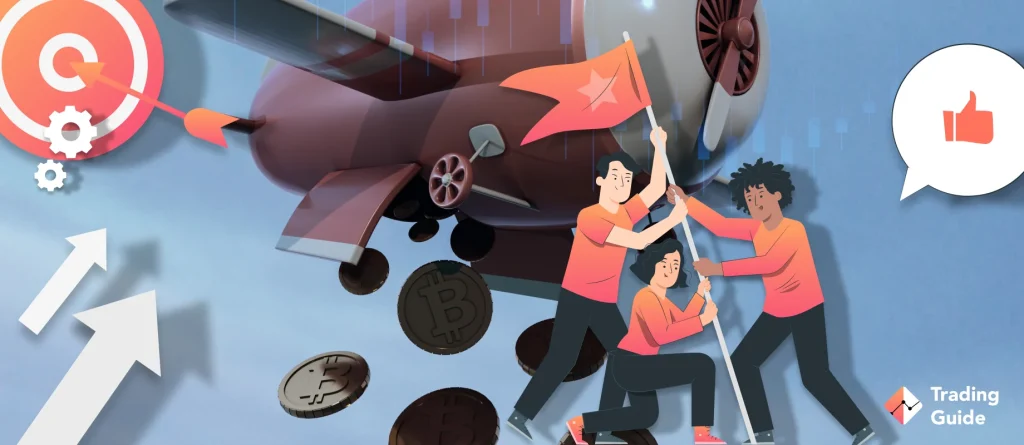
If you’re looking to access new crypto coins before they go public, token sales and airdrops are two common entry points. Both offer early exposure, but they come with specific risks.
Presales and Token Offerings
Initial Coin Offerings (ICOs) and Initial DEX Offerings (IDOs) let investors buy tokens before they list on exchanges. These are often hosted on launchpads that claim to vet projects, but scams and failures are still widespread.
Before joining any sale, check:
- Who is running the project
- Whether the token distribution is transparent
- If there are lock-up periods for early buyers
Legitimate offerings provide clear terms. Vague timelines, poor documentation, or anonymous teams should raise concerns.
Airdrops
Airdrops distribute free tokens in exchange for small tasks, such as following a project on social media or joining a group chat. They’re low-risk but rarely high-reward, as many tokens drop in value after launch.
Never give out your private wallet keys. No reputable project will ever ask for them.
Used with care, token sales and airdrops can offer a way to get in early. Just make sure every opportunity is backed by proper research.
Keep an Eye on Emerging Trends

Many of the most successful crypto projects didn’t emerge in a vacuum. In 2020, decentralised finance (DeFi) redefined how investors approached lending and yield. By 2021, NFTs had entered the mainstream. Spotting trends like these early can help you identify where the next wave of projects might come from.
Current themes attracting attention include:
- Real World Assets (RWA): Tokenising assets like property or bonds for blockchain trading
- Layer 2 Solutions: Improving blockchain speed and reducing transaction costs
- Decentralised AI: Merging blockchain with artificial intelligence, especially for data and computing tasks
- Compliance-Friendly Tokens: Projects that build in identity checks or meet regulatory standards, appealing to institutions
You don’t need to chase every trend. But if several serious projects are working on the same problem, it’s often a sign that investor interest is building. Watch where the momentum is, without rushing to follow it blindly.
Where to Find New Crypto Coins?
New crypto coins can appear across many platforms, but some sources offer clearer, earlier signals than others. Whether you’re looking for presales or newly listed tokens, these tools can help.
CoinMarketCap and CoinGecko
Both sites have “Recently Added” sections that show fresh token listings. CoinMarketCap highlights community sentiment and visual charts, while CoinGecko adds trading data and learning tools. Using both can help you confirm momentum and filter out noise.
Best Wallet
More than just a wallet, Best Wallet also acts as a launchpad. Its “Upcoming Tokens” section gives early access to projects reviewed by its team. You can check prices, roadmaps, and launch timelines, helping you get in before public trading begins.
CryptoSlate and ICO Drops
These platforms track early-stage sales like ICOs and IDOs. They list launch dates, funding rounds, and project details. This makes them helpful for spotting coins before they reach exchanges.
Dextools
For advanced users, Dextools shows token activity on decentralised exchanges like Uniswap. It updates in real time, showing liquidity and volume just as a coin launches, ideal if you’re seeking ultra-early access.
Social Media Channels
Twitter, Telegram, and Reddit are still major hubs for crypto news. If a new project is gaining attention across these platforms, it could be gaining traction. Just be sure to verify sources before acting. Social chatter can guide your research, but it should never be your only reference.
If you want to know more about the most popular cryptocurrency read our Bitcoin brokers in the UK guide.
What to Look for in New Crypto Coins
No list can promise the “next big coin.” But some early-stage tokens tend to share common features that suggest a stronger foundation.
Look for projects that demonstrate:
- Transparent development with active GitHub repositories or detailed changelogs
- Achievable roadmaps that show clear short- and long-term goals
- Balanced tokenomics, avoiding outsized allocations to insiders
- Organic community support, not just inflated follower counts
- Regulatory awareness, especially for UK investors concerned with compliance and tax implications
Also, check how the project presents itself. A clear, well-written website and up-to-date documentation often signal professionalism and long-term intent. If the materials are rushed, vague, or poorly translated, that’s a sign to dig deeper.
Finally, remember that early doesn’t mean guaranteed. Some projects fail quietly. Others implode due to flawed code, poor execution, or outright fraud. Spreading risk, starting small, and sticking to what you understand remain sound principles, especially in a space that moves as quickly as crypto.
Read about the Pi network review in our other article.
FAQ
It depends on your risk tolerance. Getting in early may offer big returns, but it also exposes you to higher failure rates. Many early-stage projects never move beyond the idea phase, so timing matters as much as research.
No, but having strong research habits helps. You don’t need to read code, but you should know how to spot red flags, like anonymous teams, vague roadmaps, or missing documentation. Tools like GitHub or Etherscan are helpful but not essential.
It varies. Some presales are well-structured, others are not. Look for platforms that follow FCA rules, understand potential tax obligations, and avoid offers that lack transparency or seem overly rushed.
Sites like CoinMarketCap and CoinGecko offer updated feeds of newly added tokens. You can also follow curated newsletters or Telegram groups, but always verify claims independently before acting.
Conclusion
Finding new crypto coins before launch takes more than enthusiasm. It requires patience, due diligence, and the ability to filter hype from substance. For UK investors, the goal isn’t just to be first – it’s to be informed.
The strongest edge comes from asking the right questions, watching real trends, and understanding what gives a project long-term potential. Being early only matters if you know why you’re getting in.
Related Articles:


25,000 hours of testing 60+ brokers. Our recommended broker is eToro.
Our recommended broker is eToro.